




In 1977, researcher Rudolf Thauer proposed a theoretical ceiling on the amount of hydrogen that bacteria could produce via fermentation, the sugar-converting process also responsible for yogurt, beer and cheese.
Propelled by a genetic engineering technique that presents bacteria with...

Some 18 million years ago, an ancestor of mouse-eared bats "stole" genetic material from an ancient virus related to Ebola.
The swiped genetic sequence — a gene called VP35 — has remained largely intact in the bats despite the passage...

UC San Francisco scientists have used a high-throughput CRISPR-based technique to rapidly map the functions of nearly 500 genes in human cells, many of them never before studied in detail.
The research generated a vast amount of novel genetic data,...
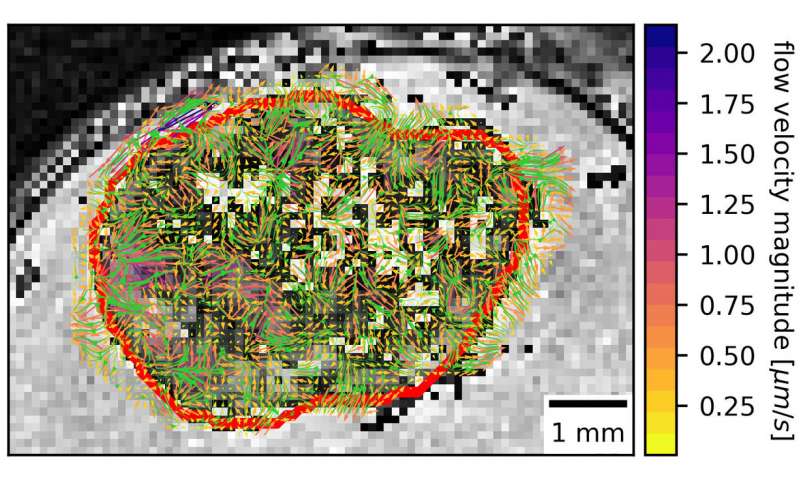
Interstitial fluid transports nutrients and removes waste between the organs and tissues in our body. In the brain, interstitial fluid is thought to be composed of circulating cerebrospinal fluid, cellular waste and blood plasma, and past research has shown...

On the day that one becomes an octogenarian, nature bestows a mathematical birthday gift: a gradual reprieve from the relentlessly increasing likelihood that he or she will die in the coming year.
That gift may come as small comfort against...

For bacteria facing a dose of antibiotics, timing might be the key to evading destruction. In a series of experiments, Princeton researchers found that cells that repaired DNA damaged by antibiotics before resuming growth had a much better chance...

For some years now larger wild animals such as lynxes, wolves, and bears have been spreading out across Europe as existing populations grow and animals are resettled. Yet some populations are still endangered. A research team headed by the...
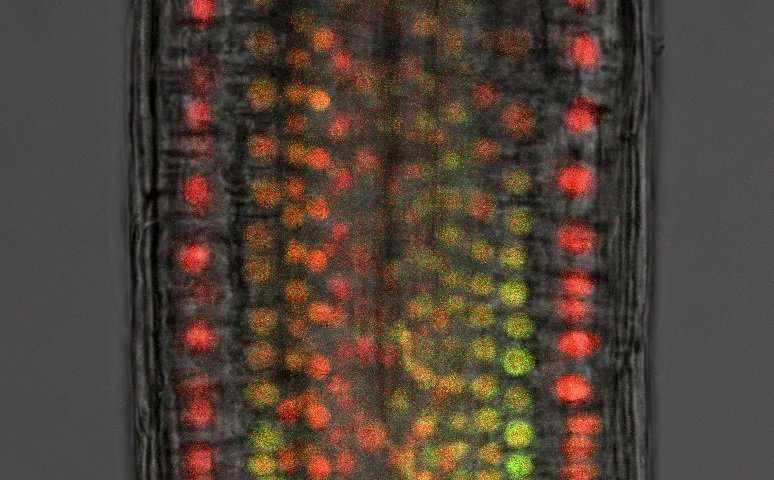
Auxin is a hormone that is essential for the development of plants as it controls a wide range of processes from shaping the embryo in the seed to branching of the growing plant. Previously, it was believed that auxin's...

Canadian researchers have discovered a new and direct molecular mechanism to stop cancer cells from proliferating. In the prestigious journal Nature Cell Biology, scientists from Université de Montréal show that a disruption of a fine balance in the composition...

Some of the earliest complex organisms on Earth—possibly some of the earliest animals to exist—got big not to compete for food, but to spread their offspring as far as possible.
The research, led by the University of Cambridge, found that...

Men's testosterone levels are largely determined by their environment during childhood, according to new research.
The Durham University-led study suggests that men who grow up in more challenging conditions where there are lots of infectious diseases, for example, are likely...


