




Somewhere in the American Southwest or northern Mexico, there are probably the ruins of a scarlet macaw breeding operation dating to between 900 and 1200 C.E., according to a team of archaeologists who sequenced the mitochondrial DNA of bird...

Researchers at The University of Western Australia and Harry Perkins Institute of Medical Research have made a fundamental discovery about of the atomic structure and function of the biological 'factories' in cells that make energy, providing a new means...

Scientists affiliated with the Marine Biological Laboratory (MBL) have identified a key molecule driving chemoattraction between sperm and egg cells in marine invertebrates. The study was recently published in Nature Communications.
More than 100 years ago, MBL Director F.R. Lillie...

In the course of global climate change, scientists are observing the increase of low-oxygen areas in the ocean, also termed oxygen minimum zones (OMZs). Large-scale OMZs exist, for example, in the Pacific off the coast of South America or...

In 1859, when Charles Darwin first articulated the theory of evolution, he speculated that a process of natural selection led species to adapt to their environments over time. He believed traits that helped an organism survive were passed down...

Soil is full of life, essential for nutrient cycling and carbon storage. To better understand how it functions, an international research team led by EMBL and the University of Tartu (Estonia) conducted the first global study of bacteria and...

Despite high hopes and high investment in CRISPR-Cas9 gene editing, scientists still have a lot to learn about how it works in humans.
In the latest example, University of California, Berkeley, scientists found that people's assumptions about how cells repair...
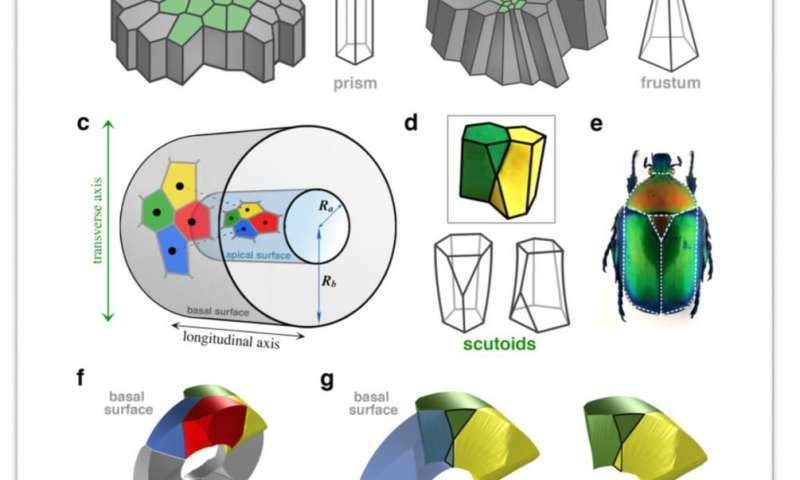
As an embryo develops, tissues bend into complex three-dimensional shapes that lead to organs. Epithelial cells are the building blocks of this process forming, for example, the outer layer of skin. They also line the blood vessels and organs...

In the last decade or so, 3-D printing has experienced a surge in popularity as the technology has become more precise and accessible. Now, researchers from the University of Saskatchewan are looking at how we can use 3-D printing...
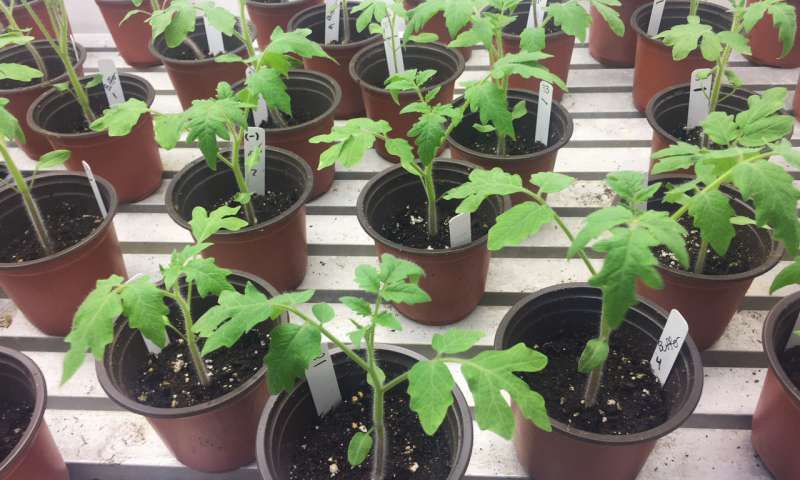
A new study of the role microbial communities play on the leaves of plants suggests that fertilizing crops may make them more susceptible to disease.
University of California, Berkeley, biologists found that spraying tomatoes with microbes from healthy tomatoes protected...

Researchers reporting in the journal Current Biology on July 26 have completed the first systematic analysis of marine wilderness around the world. And what they found is not encouraging; only a small fraction—about 13 percent—of the world's ocean can...


