




Human embryos start as a tiny mass of cells that are all the same. The first step in growing from a homogenous ball of cells into a complex individual with distinct organs and tissues is for the cells to...

Researchers at Utrecht University have gained new insights into the structure and function of a protein complex that maintains the outer membrane of a bacteria. Shutting down this protein complex makes it impossible for the membrane to maintain itself,...
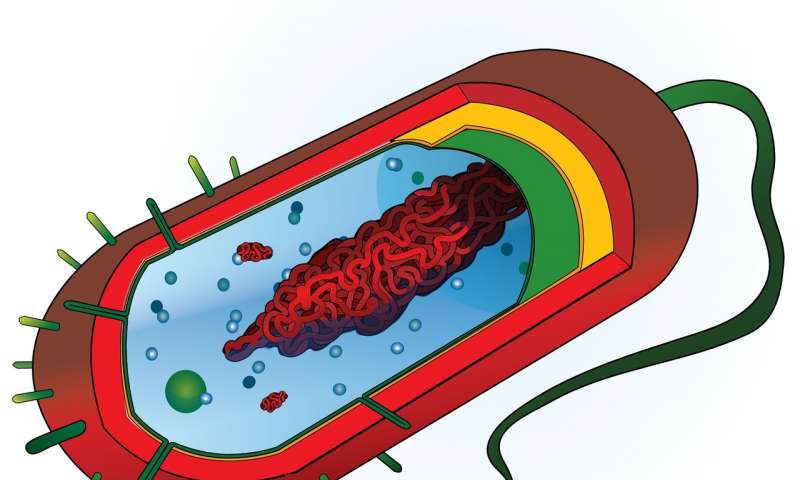
The formation of protein complexes is a highly organised process that does not begin with the "finished" proteins. Studies conducted by researchers at the Center for Molecular Biology of Heidelberg University (ZMBH) and the German Cancer Research Center (DKFZ)...
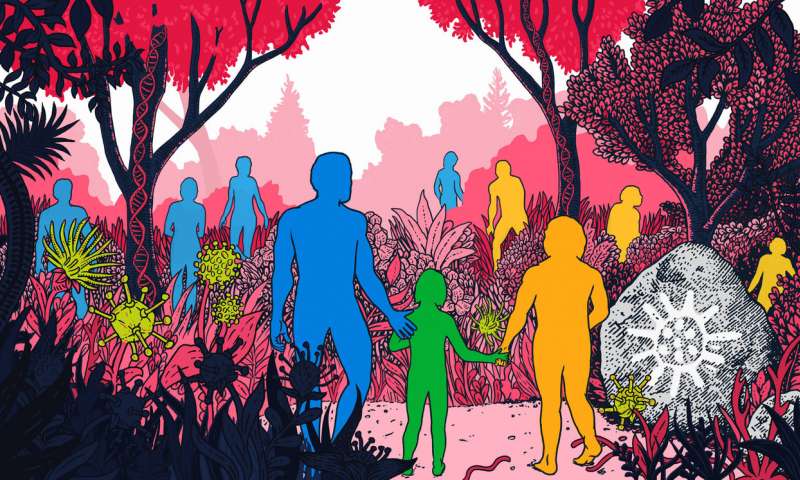
Neanderthals mysteriously disappeared about 40,000 years ago, but before vanishing they interbred with another human species that was just beginning its global spread. As a result of these ancient trysts, many modern Europeans and Asians today harbor about 2...

A mushroom extract fed to honey bees greatly reduces virus levels, according to a new paper from Washington State University scientists, the USDA and colleagues at Fungi Perfecti, a business based in Olympia, Washington.
In field trials, colonies fed mycelium...

University of Montana researchers recently published their new insights into how pathogenic bacteria resist antibiotic treatment in Proceedings of the Natural Academy of Sciences.
"Antibiotic resistance is a major problem," said Patrick Secor, assistant professor in UM's Division of Biological...
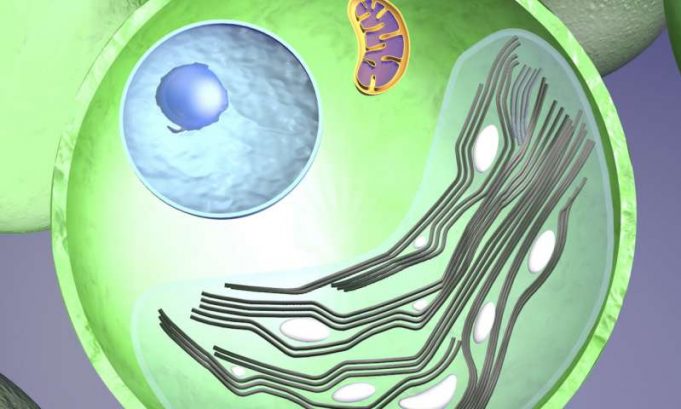
Green algae that evolved to tolerate hostile and fluctuating conditions in salt marshes and inland salt flats are expected to survive climate change, thanks to hardy genes they stole from bacteria, according to a Rutgers-led study.
These Picochlorum single-celled species...

Uncultured microbes—those whose characteristics have never been described because they have not yet been grown in a lab culture—could be dominating nearly all the environments on Earth except for the human body, according to a new study published in...
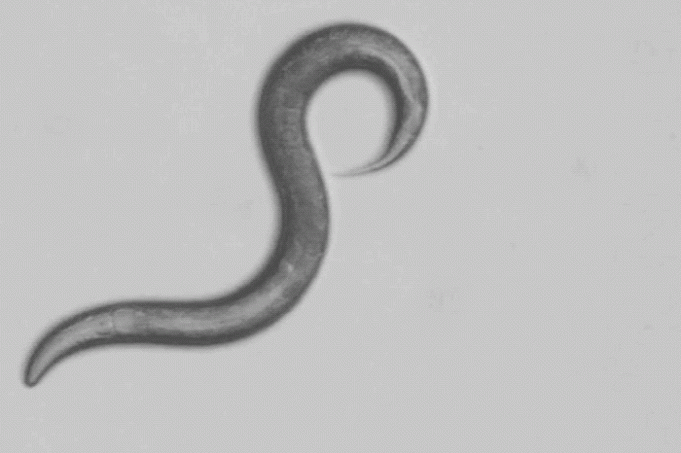
DEET, thought to be the most effective insect repellent available, may not be an insect repellent at all.
It's not that DEET doesn't keep away critters—it verifiably does. However, Leslie B. Vosshall, Rockefeller's Robin Chemers Neustein Professor, has shown that...

When it comes to changing their passwords, bacteria are just as bad as you and me—maybe even worse. A Carnegie Mellon University research team has found that despite 2.7 billion years of evolution, bacteria are still using the same...

A team of Caltech researchers has developed a biological toolkit of proteins that can be assembled together in different ways, like Legos, to program new behaviors in cells. As a proof-of-concept, they designed and constructed a circuit that can...


