




Plants are boring. They just sit there photosynthesizing while animals have all the fun. Right? Not so much. Take a look at the interactions between ants and plants—plants have evolved features specifically to make them enticing to ants, like...
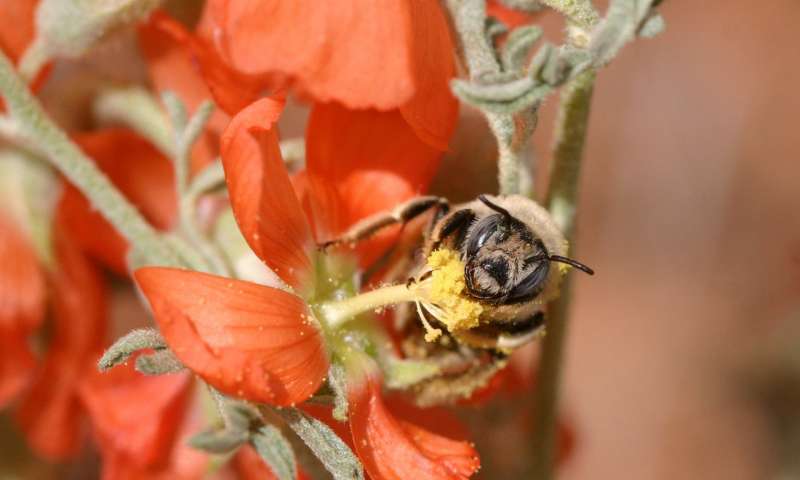
The state of Utah's nickname is "The Beehive State," and the moniker couldn't be more apt, say Utah State University scientists. One out of every four bee species in the United States is found In Utah and the arid,...

A team of scientists designed a device that can induce partial hindlimb regeneration in adult aquatic African clawed frogs (Xenopus laevis) by "kick-starting" tissue repair at the amputation site. Their findings, appearing November 6 in the journal Cell Reports,...
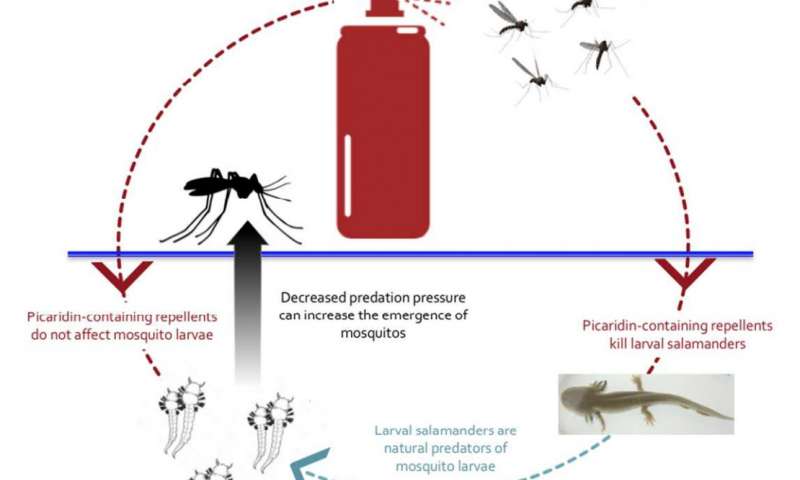
Insect repellents containing picaridin can be lethal to salamanders. So reports a new study published today in Biology Letters that investigated how exposure to two common insect repellents influenced the survival of aquatic salamander and mosquito larvae.
Insect repellents are...
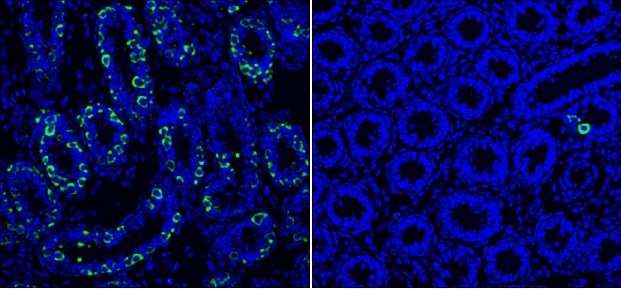
A single protein regulates a battery of key genes inside developing sperm, according to a new study out of Case Western Reserve University School of Medicine. Scientists discovered the protein—called Dazl—controls a network of genes essential for developing sperm...

By studying barn owls, scientists at Johns Hopkins University believe they've taken an important step toward solving the longstanding mystery of how the brain chooses what most deserves attention.
The finding, the cover article in the latest issue of the...
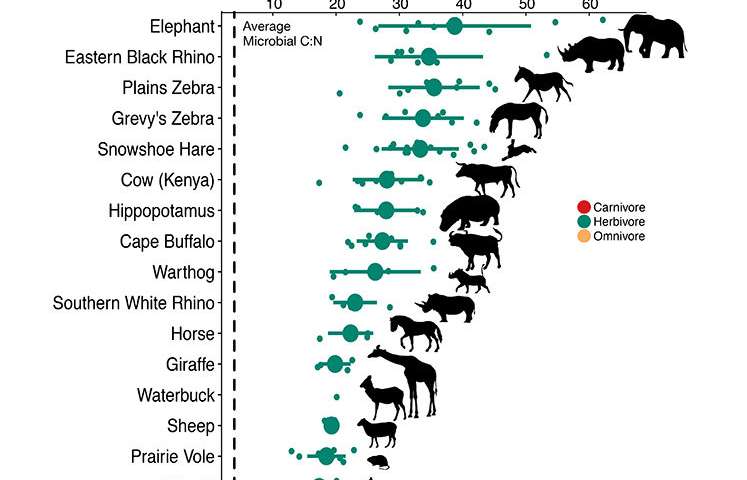
Each of us is only half human. The other half is microbial. Trillions of viruses, fungi, bacteria and other microscopic organisms coat our skin and line our vital organs.
We depend on these microbial communities, collectively known as our microbiome,...

The genome editing system CRISPR has become a hugely important tool in medical research, and could ultimately have a significant impact in fields such as agriculture, bioenergy, and food security.
The targeting system can travel to different points on the...

Researchers analyzing the genomes of cultivated cacao trees have traced their origin to a "single domestication event" some 3,600 years ago. The discovery opens a new front in a long-running argument regarding when and where humans started growing the...

Scientists at the Center for Infection and Immunity (CII) in the Columbia University Mailman School of Public Health have developed the first diagnostic platform that can simultaneously screen for all known human pathogenic bacteria as well as markers for...
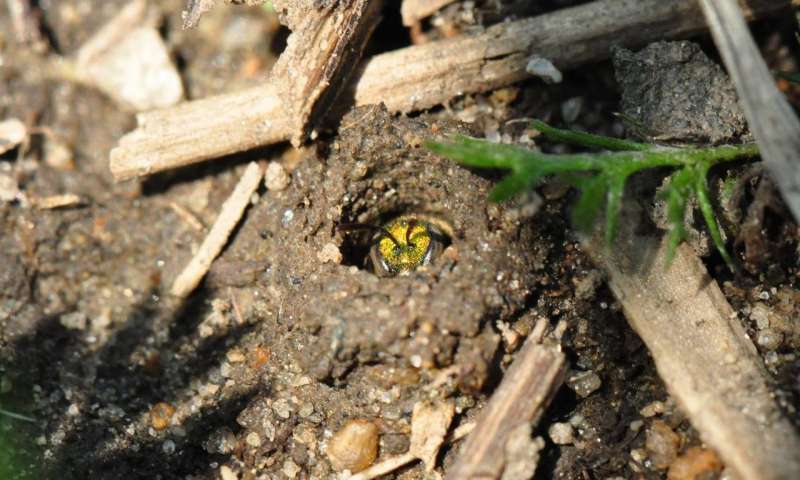
Those pesky bees that come buzzing around on a muggy summer day are helping researchers reveal the genes responsible for social behaviors. A new study published this week found that the social lives of sweat bees—named for their attraction...


