




A group of researchers from the Andalusian Centre for Molecular Biology and Regenerative Medicine (CABIMER) has revealed the importance of eliminating any excess of defective products that might have accumulated in the mitochondria, as its presence generates mitochondrial instability...
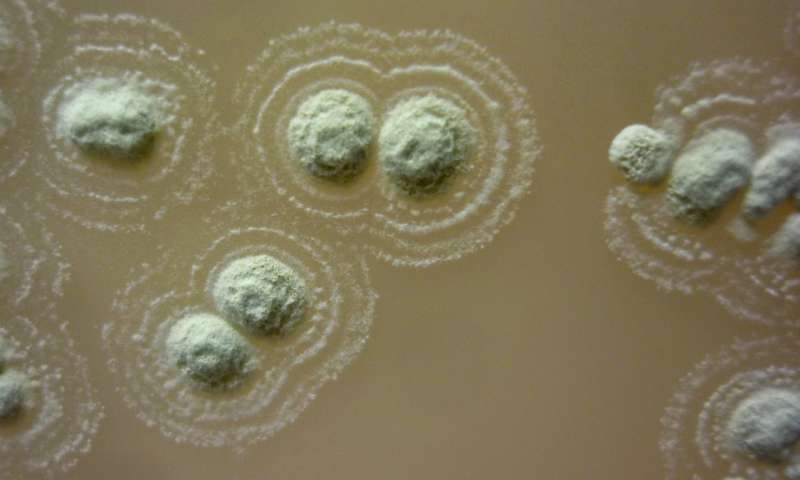
Researchers analysing soil from Ireland long thought to have medicinal properties have discovered that it contains a previously unknown strain of bacteria which is effective against four of the top six superbugs that are resistant to antibiotics, including MRSA.
Antibiotic...

Dermal fibroblasts are specialized cells deep in the skin that generate connective tissue and help the skin recover from injury. Some fibroblasts have the ability to convert into fat cells that reside under the dermis, giving the skin a...

We like to keep the air in our homes as clean as possible, and sometimes we use HEPA air filters to keep offending allergens and dust particles at bay.
But some hazardous compounds are too small to be trapped in...
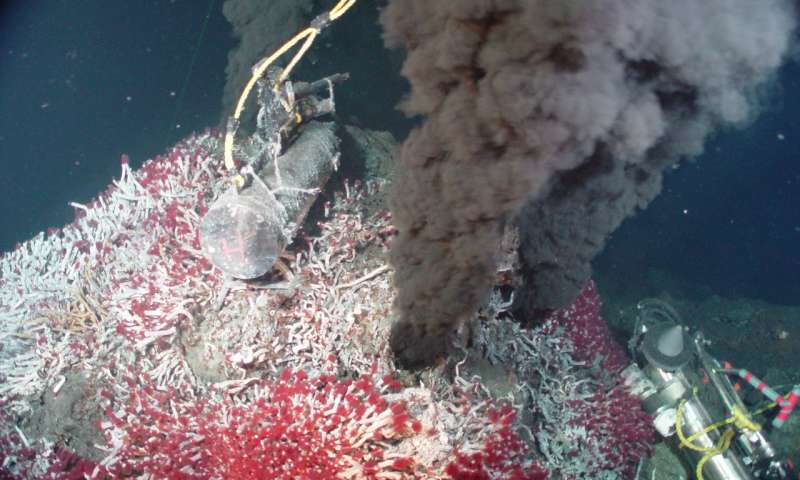
Around 4 billion years ago there lived a microbe called LUCA: the Last Universal Common Ancestor. There is evidence that it could have lived a somewhat 'alien' lifestyle, hidden away deep underground in iron-sulfur rich hydrothermal vents. Anaerobic and...
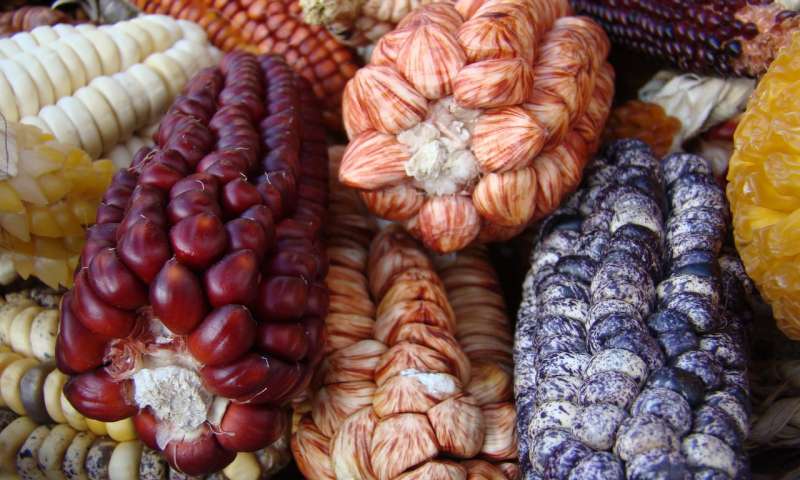
Smithsonian scientists and collaborators are revising the history of one of the world's most important crops. Drawing on genetic and archaeological evidence, researchers have found that a predecessor of today's corn plants still bearing many features of its wild...

A characteristic feature of modern humans is the unusually round skull and brain, in contrast to the elongated shape seen in other human species. By studying Neandertal DNA fragments found in the genomes of living Europeans, scientists have now...

Scientists at the Francis Crick Institute have discovered a set of simple rules that determine the precision of CRISPR/Cas9 genome editing in human cells. These rules, published in Molecular Cell, could help to improve the efficiency and safety of...

Move over, trap-jaw ants and mantis shrimp: There's a faster appendage in town. According to a new study, the Dracula ant, Mystrium camillae, can snap its mandibles at speeds of up to 90 meters per second (more than 200...
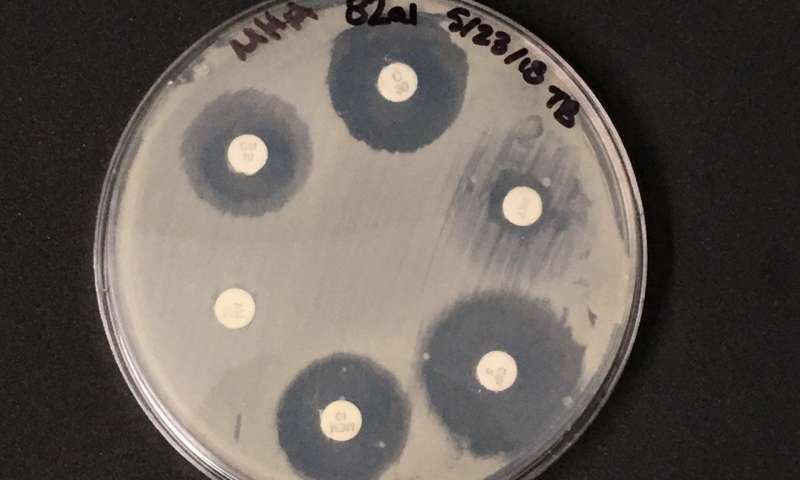
Most people have heard about antibiotic-resistant germs. But how about antibiotic-resistant dust?
A new Northwestern University study has found that an antimicrobial chemical called triclosan is abundant in dust—and linked to changes in its genetic makeup. The result is dust...

Andrés Muñoz-Jaramillo of Southwest Research Institute and José Manuel Vaquero of the University of Extremadura have developed a new technique for looking at historic solar data to distinguish trustworthy observations from those that should be used with care. This...


