




Researchers from the University of Toronto's Institute for Biomaterials and Biomedical Engineering (IBBME) and the Donnelly Centre have discovered a population of cells – dubbed to be "elite" – that play a key role in the process of transforming...
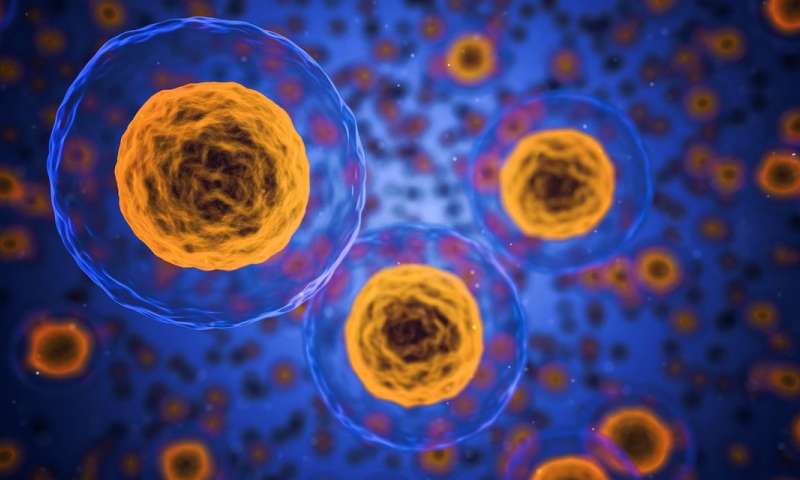
In research that casts cells as curators of their own history, Dana-Farber Cancer Institute scientists have discovered that adult tissues retain a memory, inscribed on their DNA, of the embryonic cells from which they arose. The discovery led to...
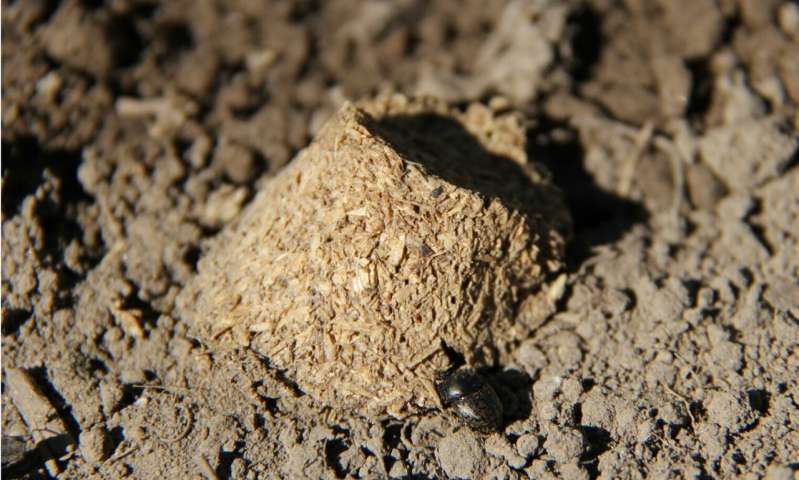
Food safety regulations increasingly pressure growers to remove hedgerows, ponds and other natural habitats from farms to keep out pathogen-carrying wildlife and livestock. Yet, this could come at the cost of biodiversity.
New research published today in the Journal of Applied...

Herpes viruses reactivate in more than half of crew aboard Space Shuttle and International Space Station missions, according to NASA research published in Frontiers in Microbiology. While only a small proportion develop symptoms, virus reactivation rates increase with spaceflight duration...

By targeting a protein found in the saliva of mosquitoes that transmit Zika virus, Yale investigators reduced Zika infection in mice. The finding demonstrates how researchers might develop a vaccine against Zika and similar mosquito-borne viruses, the study authors...
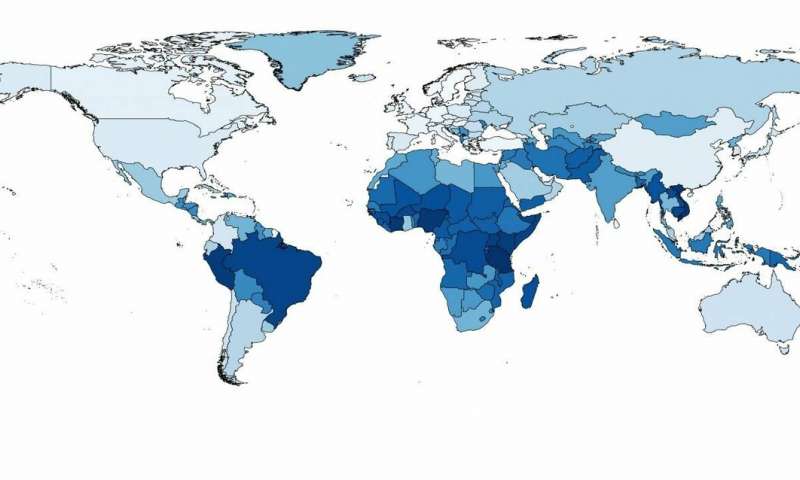
A comprehensive analysis of sewage collected in 74 cities in 60 countries has yielded the first comparable global data showing the levels and types of antimicrobial resistant bacteria present in healthy people. The National Food Institute, Technical University of...
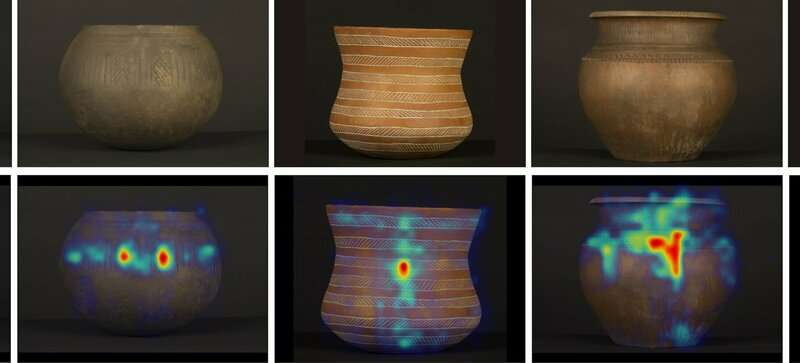
Researchers have examined the visual response of 113 individuals when observing prehistoric ceramics belonging to different styles and societies. The ceramics analysed cover 4,000 years (from 4,000 B.C. to the change of era) of Galician prehistory (north-west Iberia), and...

An international group of researchers including biologists from the University of Maryland found that at least four species of marine ribbon worms independently evolved the ability to regrow a head after amputation.
Regeneration of amputated body parts is uncommon but does exist...

Researchers are one step closer to solving the mystery of why some vertebrates can regenerate their spinal cords while others, including humans, create scar tissue after spinal cord injury, leading to lifelong damage.
Scientists at the Marine Biological Laboratory (MBL)...

When naturalist Charles Darwin stepped onto the Galapagos Islands in 1835, he encountered a bird that sparked a revolutionary theory on how new species originate. From island to island, finches had wildly varied beak designs that reflected their varied...
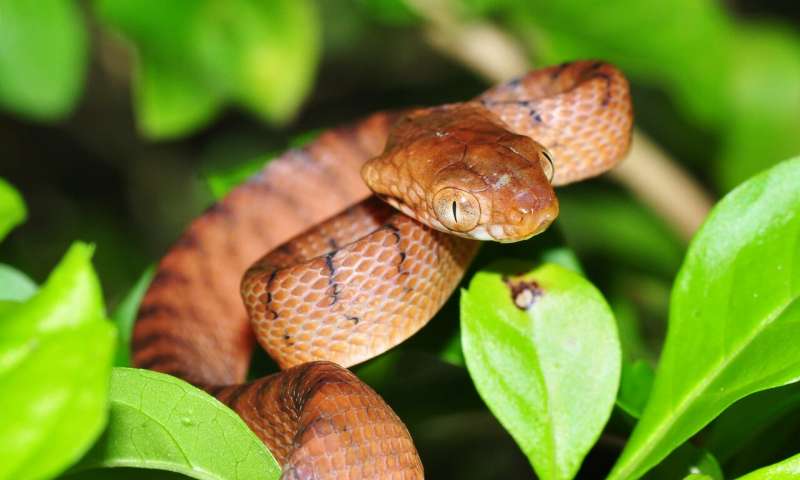
Alien species are the main driver of recent extinctions in both animals and plants, according to a new study by UCL researchers.
They found that since 1500, alien species have been solely responsible for 126 extinctions, 13% of the total number studied.
Of...


