




A new international study led by David Comas, principal investigator at UPFand at the Institute of Evolutionary Biology (IBE: CSIC-UPF), demonstrates for the first time using artificial intelligence that African populations hybridized with other extinct humans. The study is...

In a study with implications for efforts to halt the spread of antibiotic-resistant bacteria, researchers at Princeton have identified a new, troubling path that some bacteria take toward resistance.
The discovery focused on bacteria called persisters, which are different from antibiotic-resistant...

Researchers from ETH Zurich demonstrate that genetically identical cells exhibit differing responses in their motility towards chemical attractants. Average values hide the full picture when it comes to describing the behavior of bacteria.
Although they are considered the simplest of...

Despite volumes of data currently available on mankind, it is surprising how little we know about other species. A paper published this week in the journal Proceedings of the National Academy of Sciences (PNAS) confirms that critical information, such as fertility...

Explorers have dreamt for centuries of a Fountain of Youth, with healing waters that rejuvenate the old and extend life indefinitely.
Researchers at the University of Rochester, however, have uncovered more evidence that the key to longevity resides instead in...
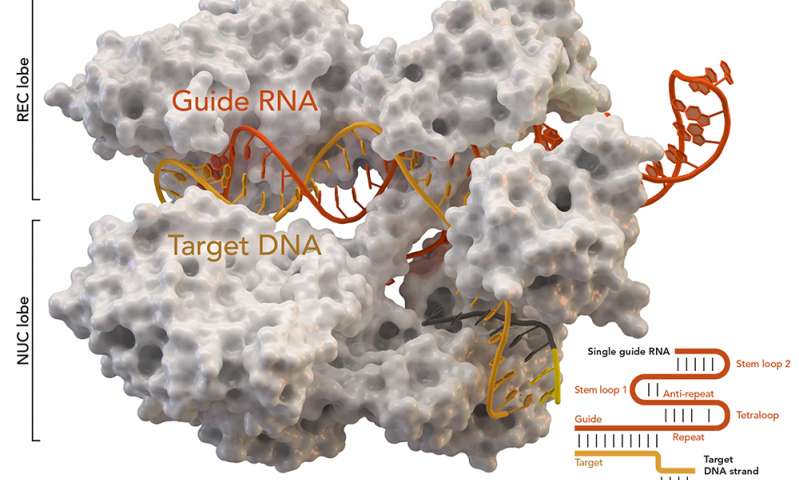
Since the CRISPR genome editing technology was invented in 2012, it has shown great promise to treat a number of intractable diseases. However, scientists have struggled to identify potential off-target effects in therapeutically relevant cell types, which remains the...

The human gut harbors trillions of invisible microbial inhabitants, referred to as the microbiota, that collectively produce thousands of unique small molecules. The sources and biological functions of the vast majority of these molecules are unknown. Yale researchers recently...

ETH researchers have integrated two CRISPR-Cas9-based core processors into human cells. This represents a huge step towards creating powerful biocomputers.
Controlling gene expression through gene switches based on a model borrowed from the digital world has long been one of the primary...
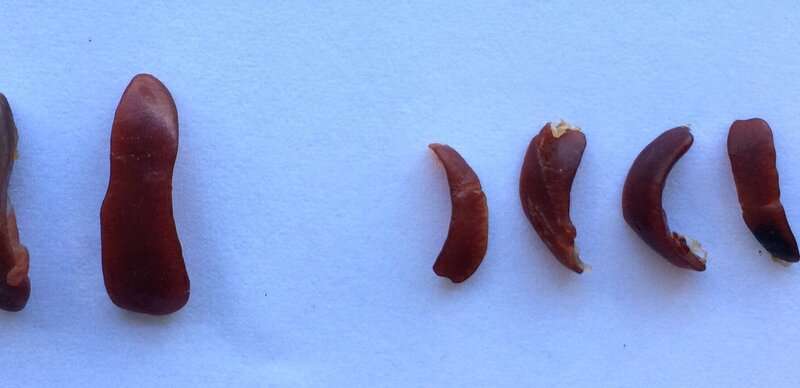
Inflammation is a balanced physiological response—the body needs it to eliminate invasive organisms and foreign irritants, but excessive inflammation can harm healthy cells, contributing to aging and chronic diseases. To help keep tabs on inflammation, immune cells employ a...
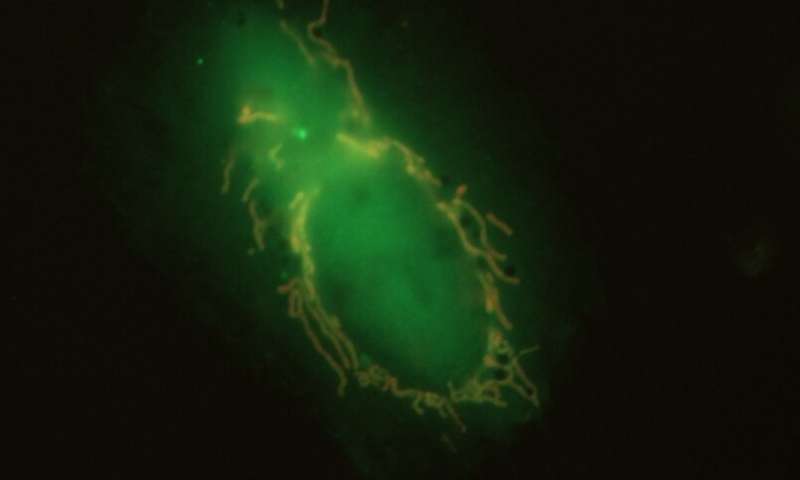
When mitochondria become damaged, they avoid causing further problems by signaling cellular proteins to degrade them. In a paper publishing April 11, 2019, in the journal Developmental Cell, scientists in Norway report that they have discovered how the cells trigger...

Bacteria in the human body are sharing genes with one another at a higher rate than is typically seen in nature, and some of those genes appear to be traveling—independent of their microbial hosts—from one part of the body...


