




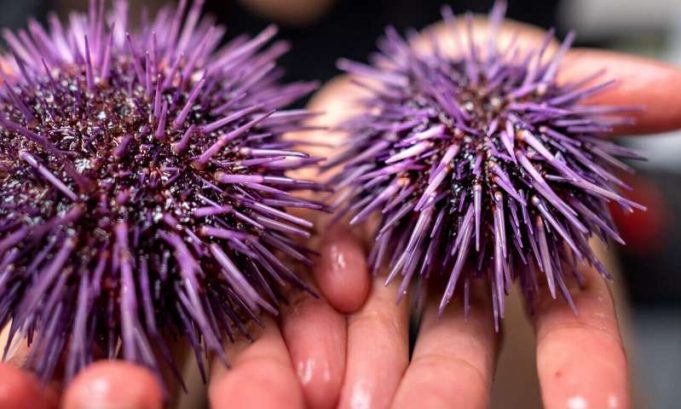
A Noah's Ark strategy will fail. In the roughest sense, that's the conclusion of a first-of-its-kind study that illuminates which marine species may have the ability to survive in a world where temperatures are rising and oceans are becoming...

The tube anemone Isarachnanthus nocturnus is only 15 cm long but has the largest mitochondrial genome of any animal sequenced to date, with 80,923 base pairs. The human mitochondrial genome (mitogenome), for example, comprises 16,569 base pairs.
Tube anemones (Ceriantharia) are the...
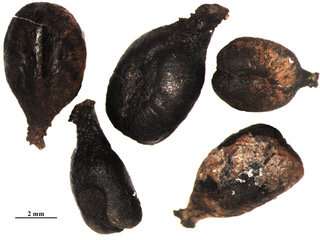
A grape variety still used in wine production in France today can be traced back 900 years to just one ancestral plant, scientists have discovered.
With the help of an extensive genetic database of modern grapevines, researchers were able to...
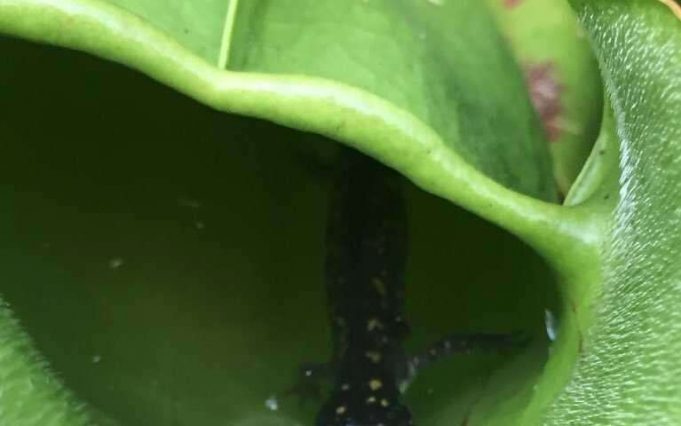
Call it the "Little Bog of Horrors." In what is believed to be a first for North America, biologists at the University of Guelph have discovered that meat-eating pitcher plants in Ontario's Algonquin Park wetlands consume not just bugs...
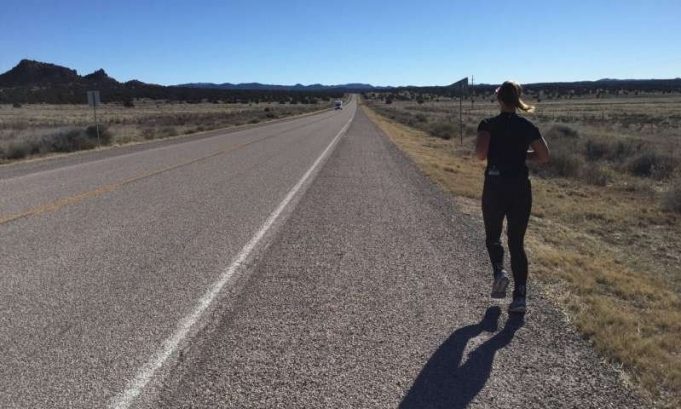
From the Ironman triathlon to the Tour de France, some competitions test the limits of even the toughest endurance athletes. Now, a new study of energy expenditure during some of the world's longest, most grueling sporting events suggests that...
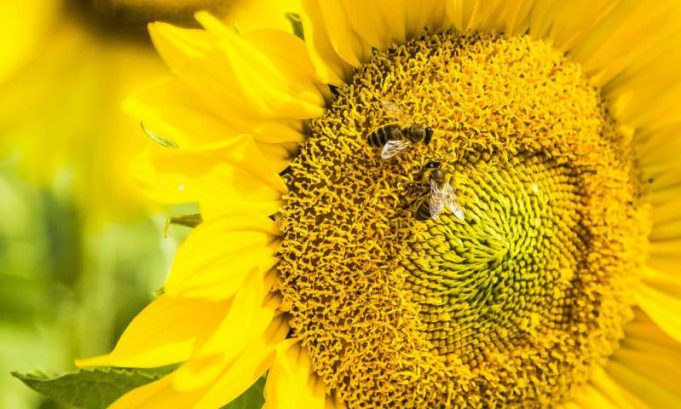
We've learned bees can understand zero and do basic math, and now a new study shows their tiny insect brains may be capable of connecting symbols to numbers.
Researchers have trained honeybees to match a character to a specific quantity,...

A new study by Brazilian biologists suggests that the effect of pesticides on bees could be worse than previously thought. Even when used at a level considered nonlethal, an insecticide curtailed the lives of bees by up to 50...

According to the World Health Organization, malaria affects hundreds of millions of people around the world, killing more than 400,000 annually. Decades of insecticide use has failed to control mosquitoes that carry the malaria parasite and has led to...

Every living thing moves—prey from predators, ants to crumbs, leaves toward sunlight. But at the most fundamental level, scientists are still struggling to grasp the physics behind how our own cells build, move, transport and divide.
"The mechanisms that allow...

Bacteria are everywhere. They live in the soil and water, on our skin and in our bodies. Some are pathogenic, meaning they cause disease or infection. To design effective treatments against pathogens, researchers need to know which specific genes...

A team of scientists from Arizona State University has taken a significant step closer to unlocking the secrets of photosynthesis, by determining the structure of a very large photosynthetic supercomplex.
This important discovery is laid out in their paper published...


