




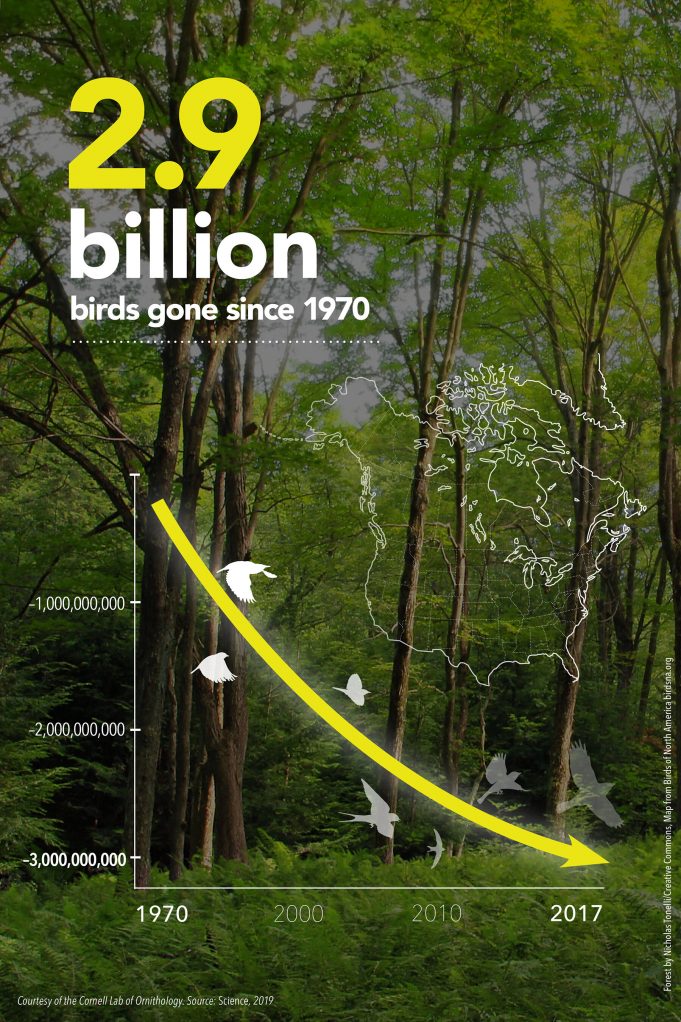
A study published today in the journal Science reveals that since 1970, bird populations in the United States and Canada have declined by 29 percent, or almost 3 billion birds, signaling a widespread ecological crisis. The results show tremendous losses across...

Technological advances are allowing commercial fishing fleets to double their fishing power every 35 years and put even more pressure on dwindling fish stocks, new research has found.
Researchers from the Sea Around Us initiative at the University of British Columbia analyzed...
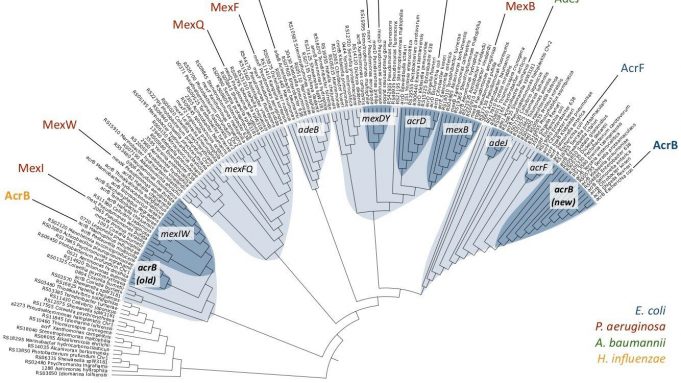
Researchers from Osaka University have made the striking discovery that multidrug-resistant bacteria may have been around longer than we thought. In findings published this month in Communications Biology, the researchers investigated the evolutionary relationships among hundreds of RND-type efflux pumps—specialized...

An international and interdisciplinary team working at the Earth-Life Science Institute (ELSI) at the Tokyo Institute of Technology has modeled the evolution of one of biology's most fundamental sets of building blocks and found that it may have special...
Providing a glimpse the hidden workings of evolution, a group of researchers at UC Santa Barbara have discovered that embryos that appear the same can start out with surprisingly different instructions.
"We found that a lot of undercover evolution occurs...
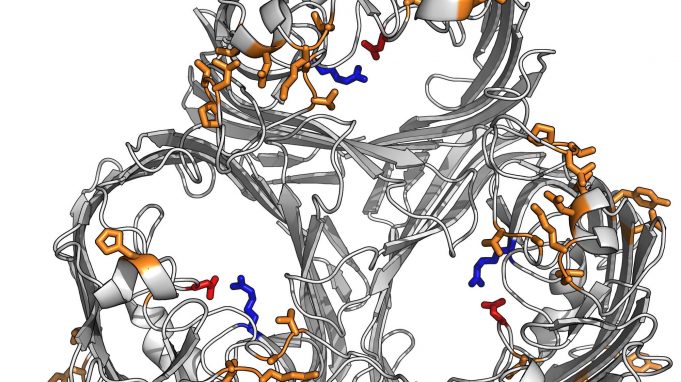
Drug-resistant bacteria responsible for deadly hospital-acquired infections shut out antibiotics by closing tiny doors in their cell walls.
The new finding by researchers at Imperial College London could allow researchers to design new drugs that 'pick the locks' of these closed doors...

Armed with a tiny new thermometer probe that can quickly measure temperature inside of a cell, University of Illinois researchers have illuminated a mysterious aspect of metabolism: heat generation.
Mitochondria, the cell's power stations, release quick bursts of heat by unleashing the...
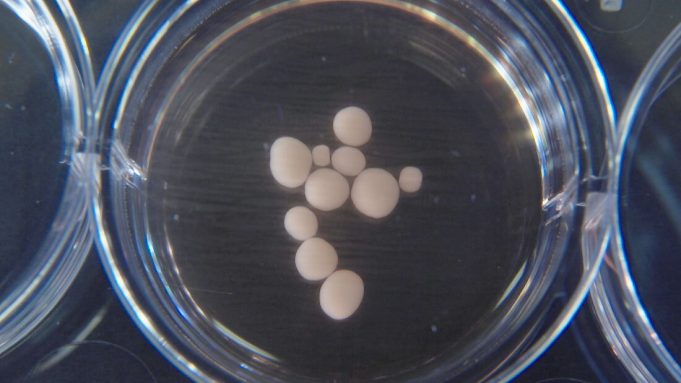
Scientists have created miniature brains from stem cells that developed functional neural networks. Despite being a million times smaller than human brains, these lab-grown brains are the first observed to produce brain waves that resemble those of preterm babies....

The ability to edit genes in living organisms offers the opportunity to treat a plethora of inherited diseases. However, many types of gene-editing tools are unable to target critical areas of DNA, and creating such a technology has been...

A group of researchers may have found a way to reverse falling crop yields caused by increasingly salty farmlands throughout the world.
Led by Brent Nielsen, professor of microbiology and molecular biology at Brigham Young University, scientists have used bacteria found in the roots...

A common origin shared by teeth and taste buds in a fish that has regenerative abilities has been identified by a team of researchers from the UK and the States. Regulated by the BMP signalling pathway, the results suggest...


