




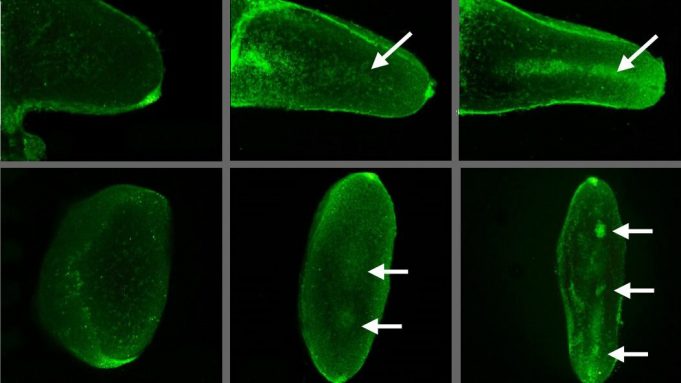
Scientists at Allen Discovery Center at Tufts University and Harvard Medical School have revealed how, in the case of limb formation, the electrical patterns formed within an embryo initiate a cascade of molecular changes that culminate in the development...
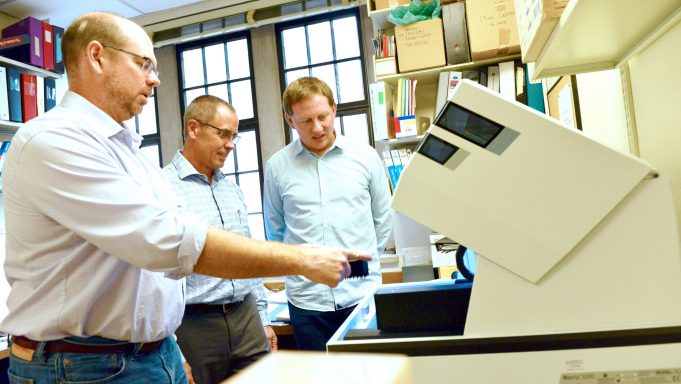
Researchers at Western University have developed a new way to deliver the DNA-editing tool CRISPR-Cas9 into microorganisms in the lab, providing a way to efficiently launch a targeted attack on specific bacteria.
Published today in Nature Communications, this study opens up...
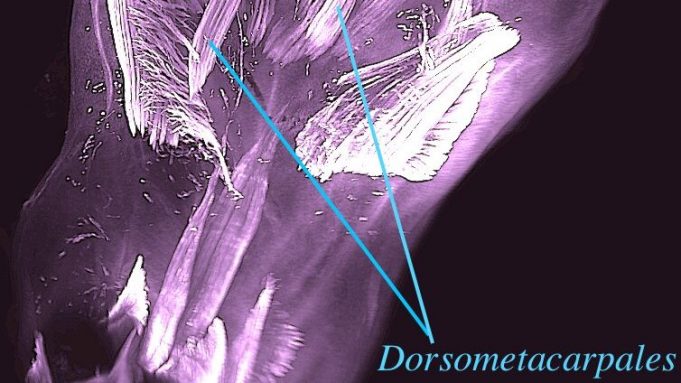
A team of evolutionary biologists, led by Dr. Rui Diogo at Howard University, and writing in the journal Development, have demonstrated that numerous atavistic limb muscles—known to be present in many limbed animals but usually absent in adult humans—are actually...

Have scientists solved the mystery of the female orgasm?
As a team of researchers pointed out, during intercourse the male orgasm serves an obvious reproductive function: Without it, ejaculation can't happen.
But the reproductive role of female orgasm has been much less clear,...
Scientists at UC San Francisco and Harvard University have shown for the first time that cooking food fundamentally alters the microbiomes of both mice and humans, a finding with implications both for optimizing our microbial health and for understanding...
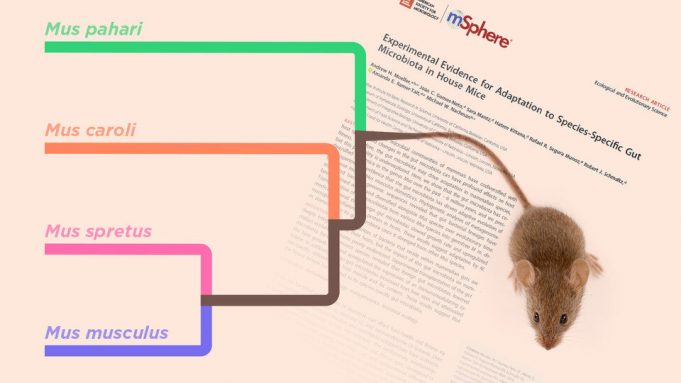
The call to evolve could be coming from inside the house mouse.
Recent research from the University of Nebraska–Lincoln and University of California, Berkeley suggests that bacteria residing in the digestive tracts of mouse species have partly directed their evolution and divergence over the past...
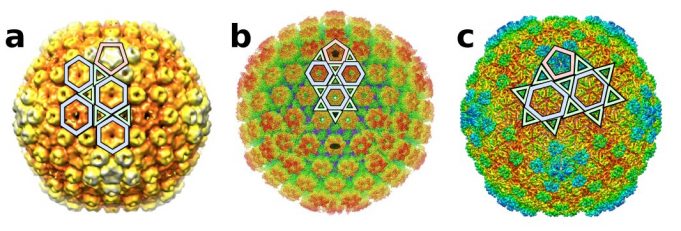
New research reveals that the way viruses were perceived in terms of their architecture will need to be retooled, because they are actually structured in many more patterns than previously understood. The findings could have significant impact on how...
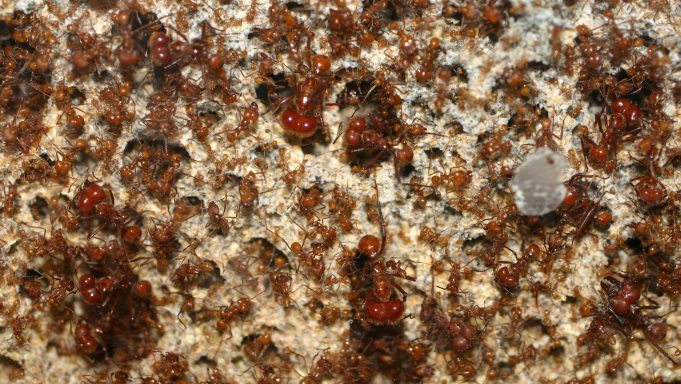
For the last 60 million years, fungus-growing ants have farmed fungi for food. In their cultivation of those fungi, they've successfully relied on bacteria-produced antimicrobial ingredients to protect their crops from other species of parasitic fungi. Now, researchers reporting...
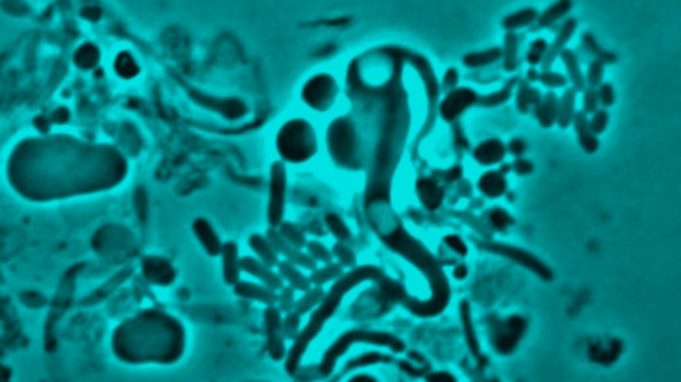
Scientists have confirmed for the first time that bacteria can change form to avoid being detected by antibiotics in the human body.
Studying samples from elderly patients with recurring urinary tract infections, the Newcastle University team used state-of-the art techniques to identify...
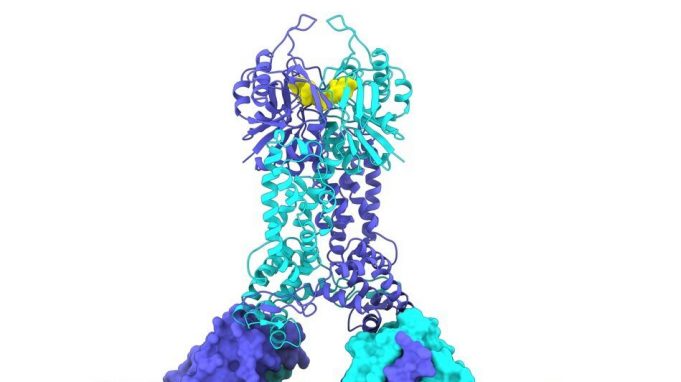
For the first time ever, researchers at the University of Copenhagen have mapped how bacterial cells trigger their defense against outside attacks. This could affect how diseases are fought in the future.
With the aid of highly advanced microscopes and...
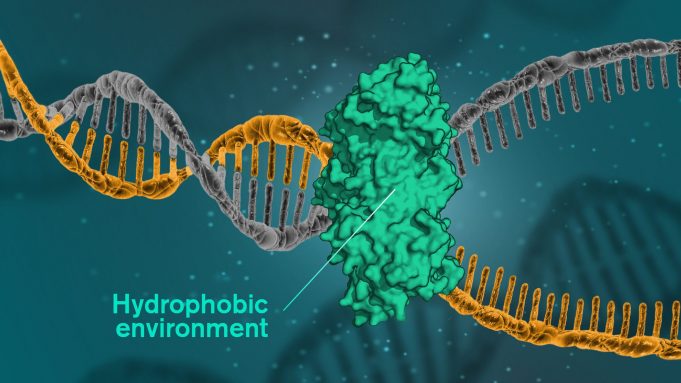
Researchers at Chalmers University of Technology, Sweden, have disproved the prevailing theory of how DNA binds itself. It is not, as is generally believed, hydrogen bonds which bind together the two sides of the DNA structure. Instead, water is...


