




A previously unknown component of our cells that delivers proteins like a bike courier in heavy traffic could shed light on the mechanisms that allow cells to spread in diseases such as cancer.
The new vesicle discovered by scientists from...

Humans' guts are a dangerous place.
Bacteria living in people's intestines pump out toxins to deter microbial intruders. But each person's gut comes with its own set of toxins—an individualized "passcode" microbes must solve to survive, scientists report October 30,...
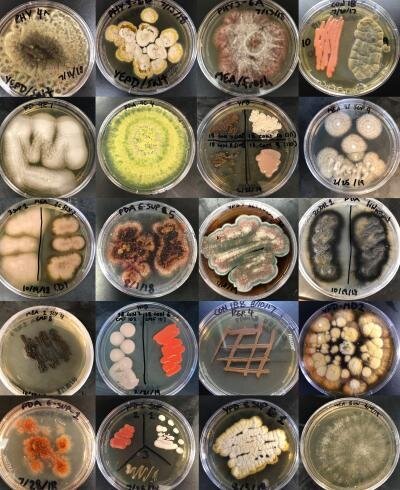
Marine fungi have long been overlooked in the research community, despite their likely contributions to the health of ocean ecosystems. Now, a first deep dive into the diversity of marine fungi and their cell division cycles has been published...
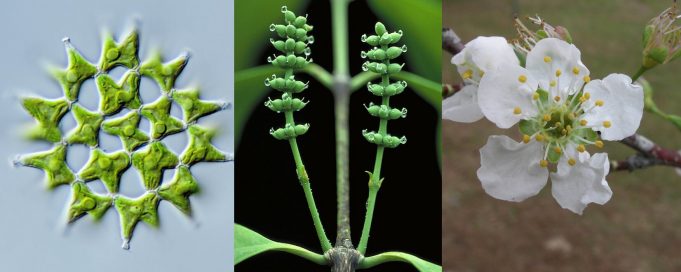
Gene sequences for more than 1100 plant species have been released by an international consortium of nearly 200 plant scientists, the culmination of a nine-year research project.
The One Thousand Plant Transcriptomes Initiative (1KP) is a global collaboration to examine...
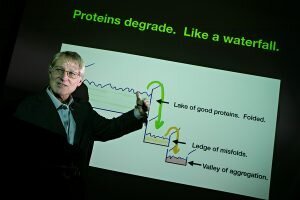
Cells undergo natural aging and death, processes that impact a multitude of cellular factors. A new Stony Brook University-led study, to be published in PNAS, provides a biophysical model that reveals how damage accumulates in the shapes of cellular proteins...
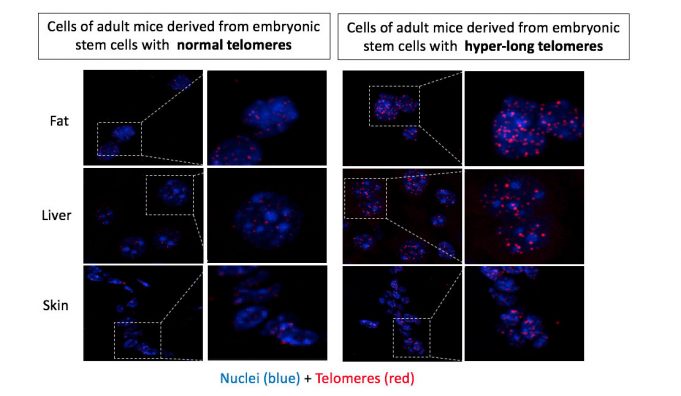
A chance finding 10 years ago led to the creation by researchers of the Spanish National Cancer Research Centre (CNIO) of the first mice born with much longer telomeres than normal in their species. Telomeres shorten throughout life, so...
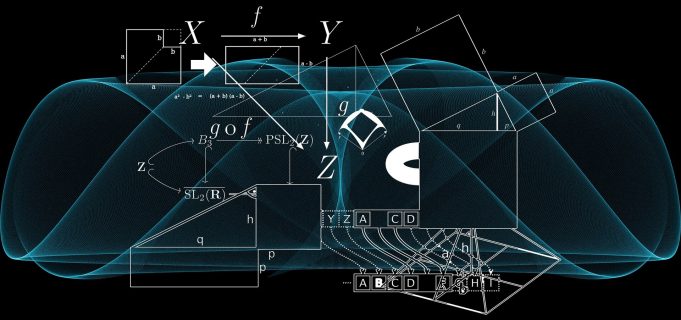
Predicting and controlling disease outbreaks would be easier and more reliable with the wider application of mathematical modelling, according to a new study.
The study was conducted by researchers at the University of Waterloo, University of Maryland and Yale's School...
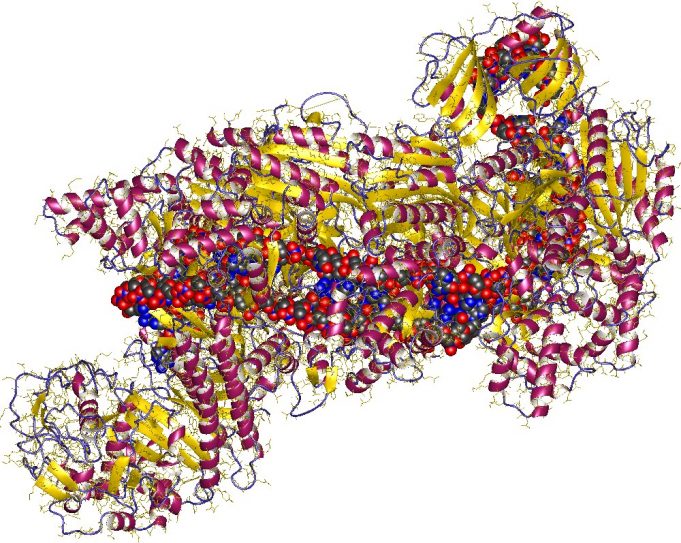
Many of the world's most common or deadly human pathogens are RNA-based viruses—Ebola, Zika and flu, for example—and most have no FDA-approved treatments. A team led by researchers at the Broad Institute of MIT and Harvard has now turned...
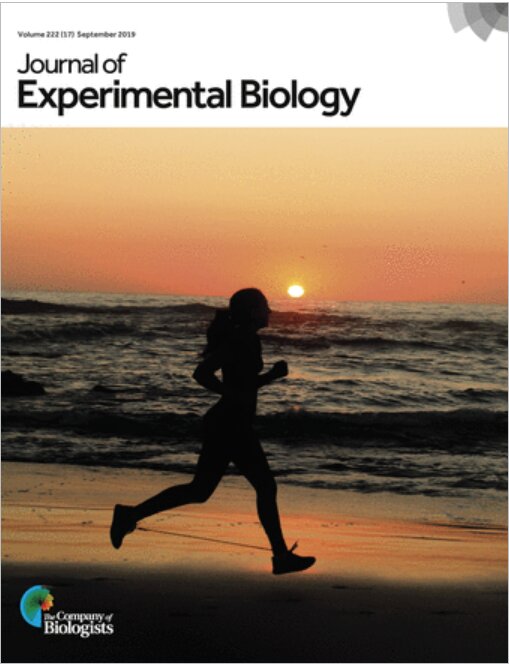
Attention runners: The next time you go out for a jog, you might want to strap a light resistance band between your feet. This rather quirky but oddly effective hack, according to UC Santa Barbara mechanical engineer Elliot Hawkes,...

When it comes to our differences from Neanderthals, most of what we know comes from comparing fossils. But fossils can only tell us about bones and not whole living organisms.
That's changing thanks to a new paper from a team...

To understand the environmental pressures that shaped human evolution, scientists must first piece together the details of the ancient plant and animal communities that our fossil ancestors lived in over the past 7 million years. Because putting together the...


