




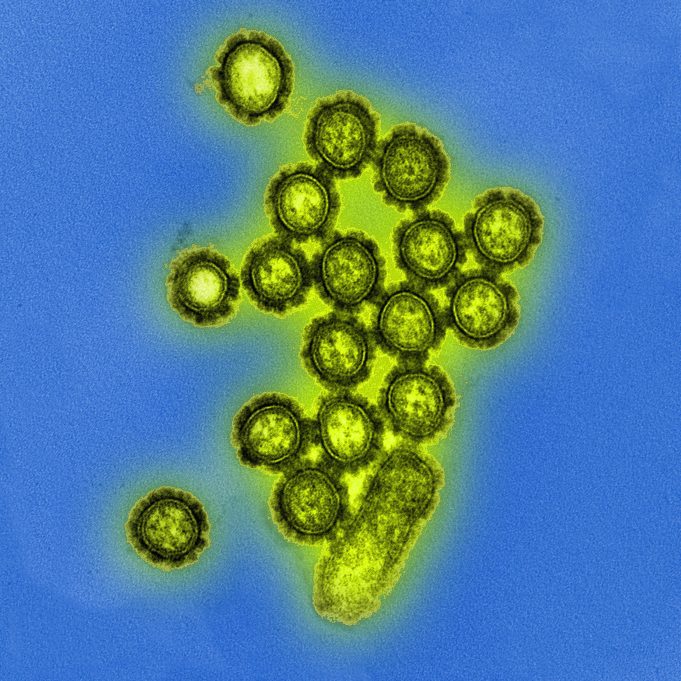
On January 31, 2019, an 11-year old boy in Japan went to a medical clinic with a fever. The providers there diagnosed him with influenza, a strain called H3N2, and sent him home with a new medication called baloxavir.
For...
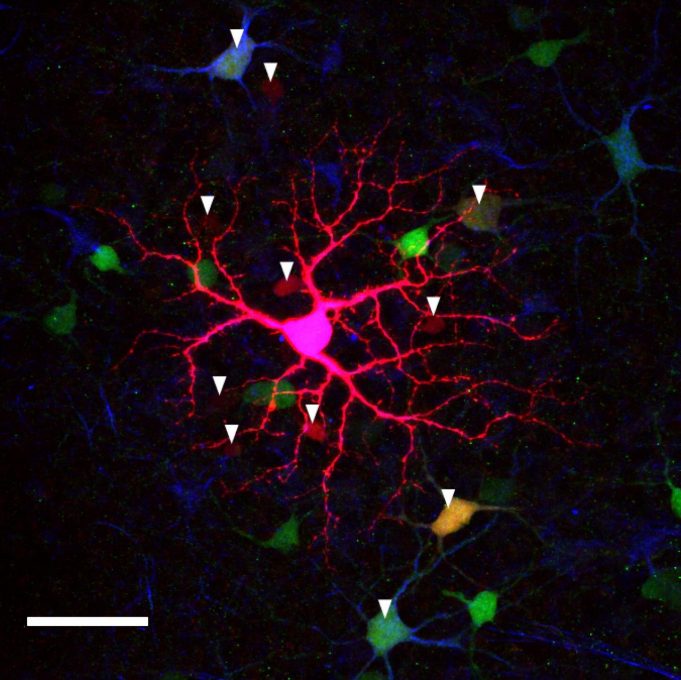
By the second trimester, long before a baby's eyes can see images, they can detect light.
But the light-sensitive cells in the developing retina—the thin sheet of brain-like tissue at the back of the eye—were thought to be simple on-off switches, presumably...
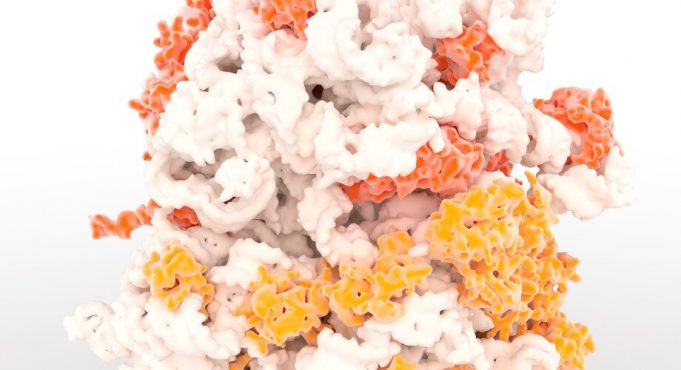
A team of scientists from Scripps Research and Stanford University has recorded in real time a key step in the assembly of ribosomes—the complex and evolutionarily ancient "molecular machines" that make proteins in cells and are essential for all...

Living beings, especially microorganisms, have a surprising ability to adapt to the most extreme environments on Earth, but there are still places where they cannot live. European researchers have confirmed the absence of microbial life in hot, saline, hyperacid...
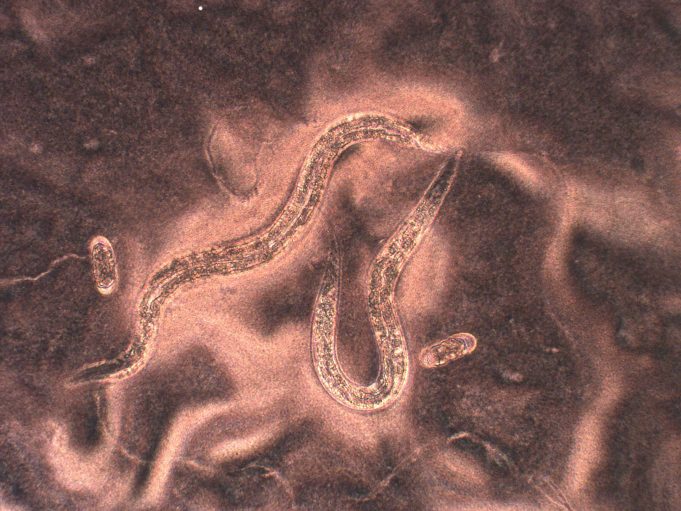
When scientists discovered a worm deep in an aquifer nearly one mile underground, they hailed it as the discovery of the deepest-living animal ever found. Now American University researchers, reporting in Nature Communications, have sequenced the genome of the unique...
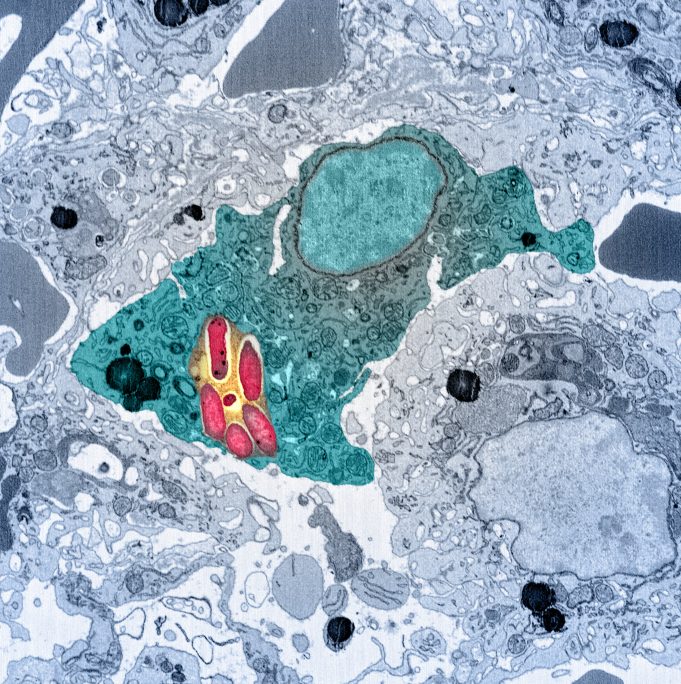
When pathogens invade cells, our body combats them using various methods. Researchers at the University of Basel's Biozentrum have now been able to show how a cellular pump keeps such invading pathogens in check. As the researchers report in Science,...
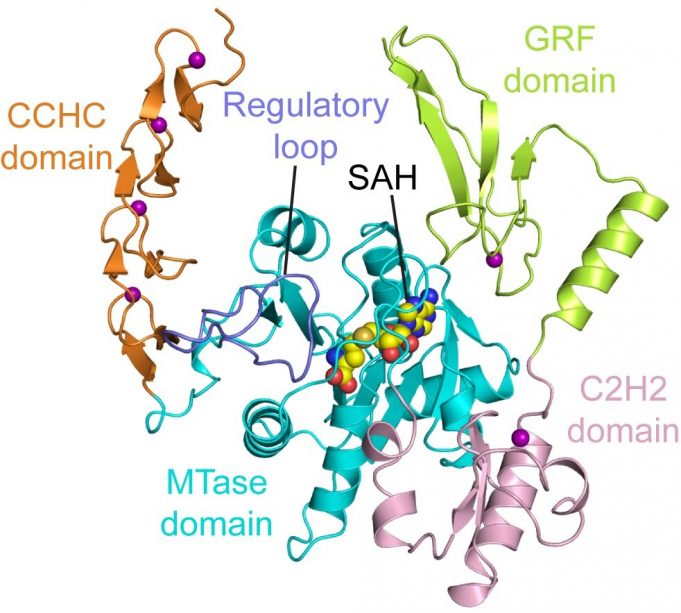
RNA, or ribonucleic acid, is present in the cells of all living beings and required to synthesize proteins. A research team at the University of California, Riverside, has discovered the structure of a novel RNA-modifying enzyme, ZCCHC4, and identified...
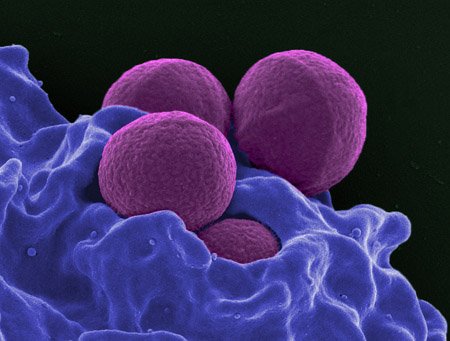
Scientists from the University of Sheffield have discovered how a potent bacterial toxin is able to target and kill MRSA, paving the way for potential new treatments for superbugs.
New research, led by Dr. Stéphane Mesnage from the University of...

Tufts University researchers have transplanted engineered pancreatic beta cells into diabetic mice, then caused the cells to produce more than two to three times the typical level of insulin by exposing them to light. The light-switchable cells are designed...

Can scrambled eggs unscramble themselves? Well, sort of.
The cytoplasm of ruptured Xenopus frog eggs spontaneously reorganizes into cell-like compartments, according to a study by researchers at the Stanford University School of Medicine.
"We were gobsmacked," said James Ferrell, MD, Ph.D.,...
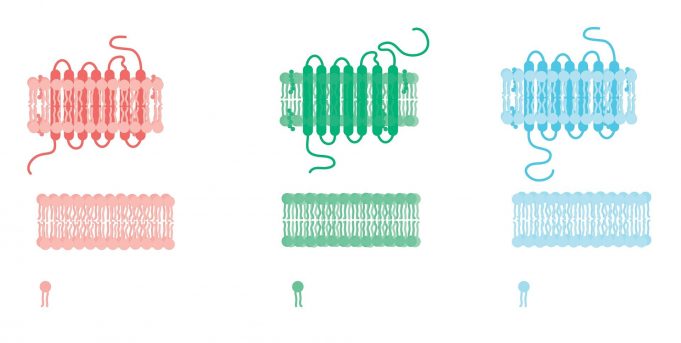
One-third of all approved drugs target the same family of receptors: the G-protein-coupled receptors (GPCRs). Now, researchers from the University of Copenhagen, along with two American labs, have expanded the known network of peptides that activate GPCRs by 19...


