




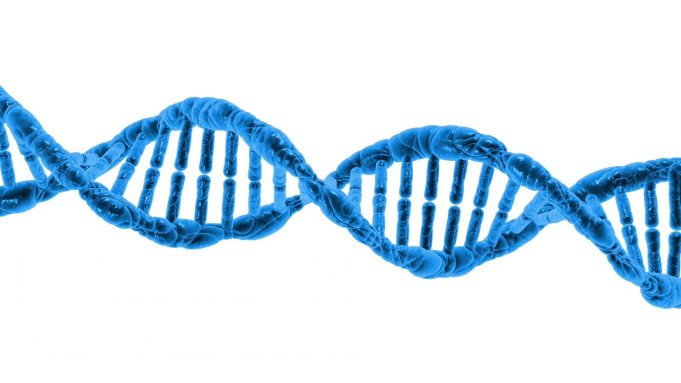
"Jumping genes"—bits of DNA that can move from one spot in the genome to another—are well-known for increasing genetic diversity over the long course of evolution. Now, new research at Washington University School of Medicine in St. Louis indicates...
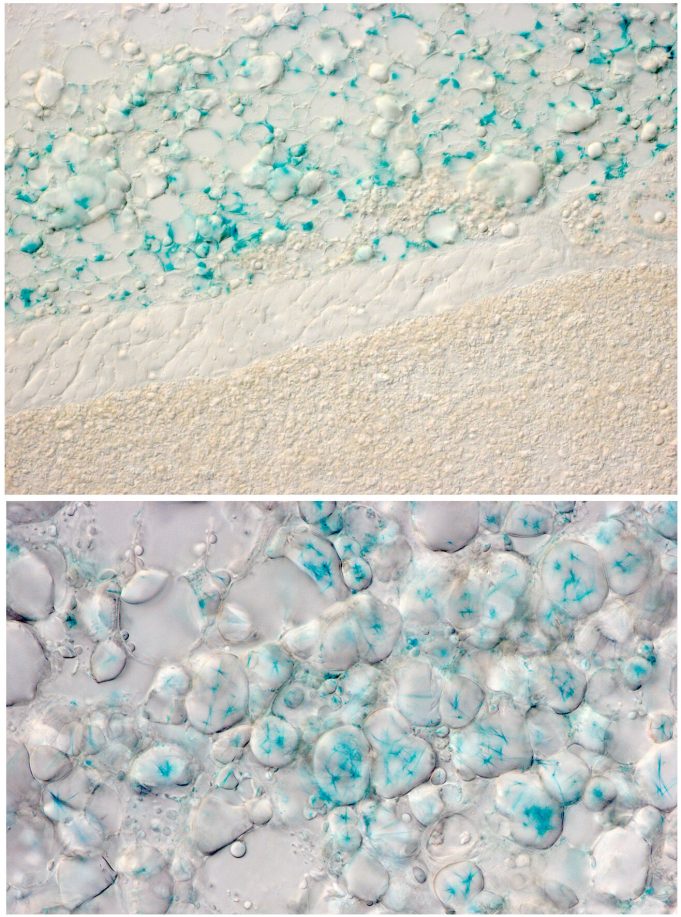
Yes, fat cells deep under your skin can sense light. And when bodies do not get enough exposure to the right kinds of light, fat cells behave differently.
This discovery, published Jan. 21, 2020, in the journal Cell Reports, was uncovered...
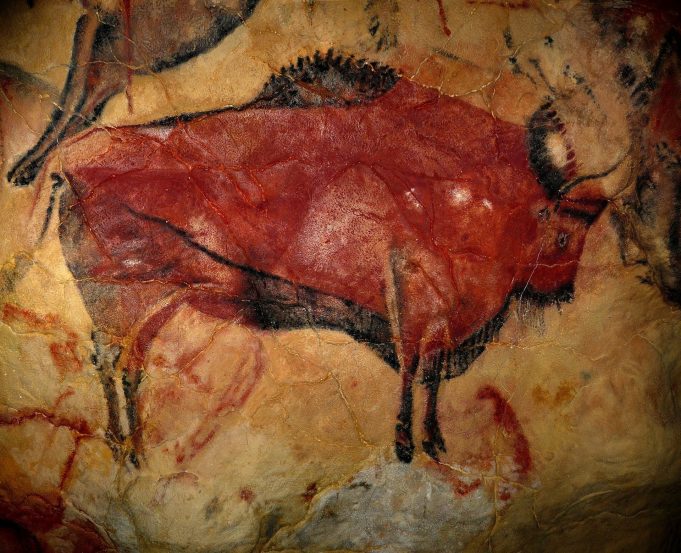
Go ahead, take a big bite.
Hard plant foods may have made up a larger part of early human ancestors' diet than currently presumed, according to a new experimental study of modern tooth enamel from Washington University in St. Louis.
Scientists often look...
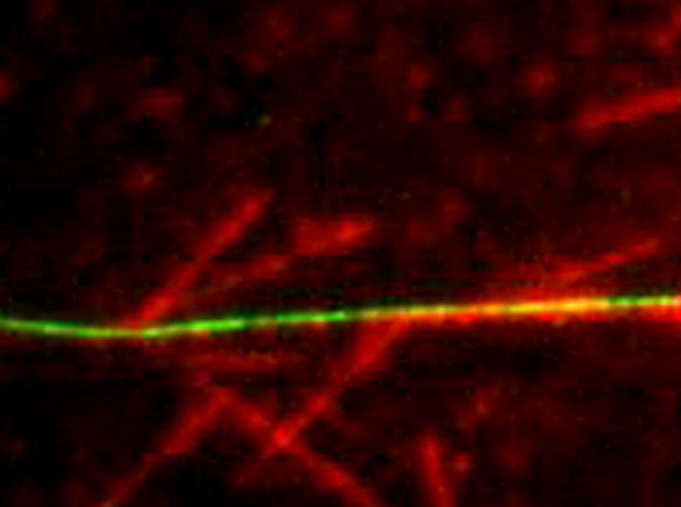
Researchers at Princeton University have successfully recreated a key process involved in cell division in a test tube, uncovering the vital role played by a protein that is elevated in over 25% of all cancers. The researchers' findings, described...

One of the largest living birds, the Southern Cassowary, has a simple throat structure similar to the fellow Australian emu. Now new research confirms a common link between the cassowary and small flighted South American tinamou—and even the extinct...

Whether it be a brisk walk around the park or high intensity training at the gym, exercise does a body good. But what if you could harness the benefits of a good workout without ever moving a muscle?
Michigan Medicine...
Scientists at the MDI Biological Laboratory, in collaboration with scientists from the Buck Institute for Research on Aging in Novato, Calif., and Nanjing University in China, have identified synergistic cellular pathways for longevity that amplify lifespan fivefold in C. elegans,...
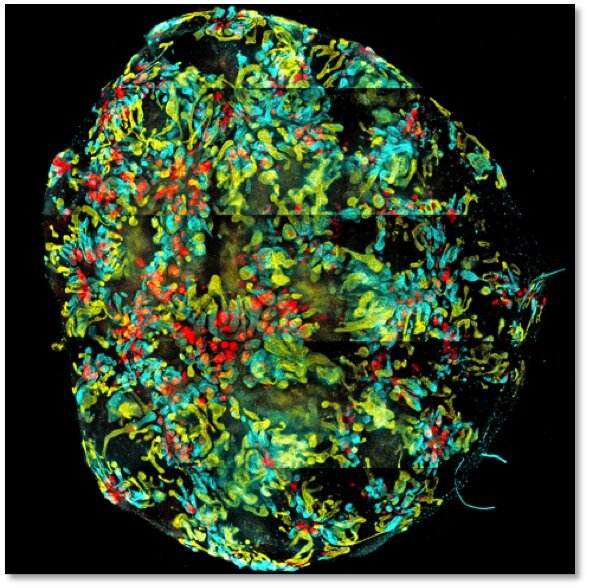
One day the advance could lead to a patient's own skin cells being used to produce new cells for cancer immunotherapy or to test autoimmune disease interventions.
The group, led by Professors Ed Stanley and Andrew Elefanty, from the Murdoch...

Nearly a decade after the nuclear accident in Fukushima, Japan, researchers from the University of Georgia have found that wildlife populations are abundant in areas void of human life.
The camera study, published in the Journal of Frontiers in Ecology and...
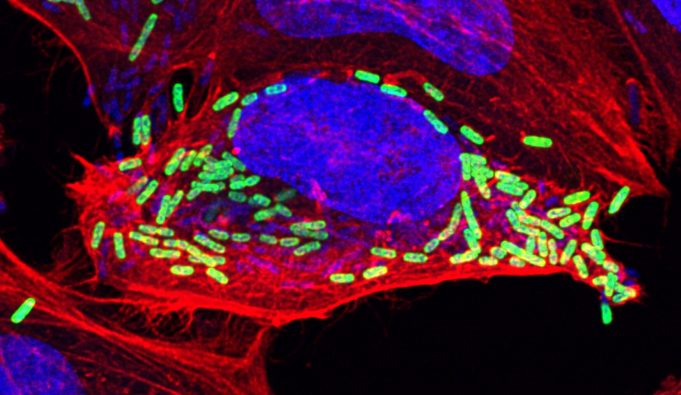
Certain bacteria can override a defence mechanism of the immune system, so called programmed cell death, through inhibition of death effector molecules by their outer membranes components. Shigella bacteria, which cause diarrhoea, use lipopolysaccharides (LPS) on their surface to...

Sperm are influenced by diet, and the effects arise rapidly. This is the conclusion of a study by researchers at Linköping University, in which healthy young men were fed a diet rich in sugar. The study, which has been...


