





Every cell in our body has a computer-like control system that sends biological signals through thousands of circuits to monitor the cell's needs and regulate its responses.
But when diseases such as cancer arise, these regulatory circuits often go awry,...
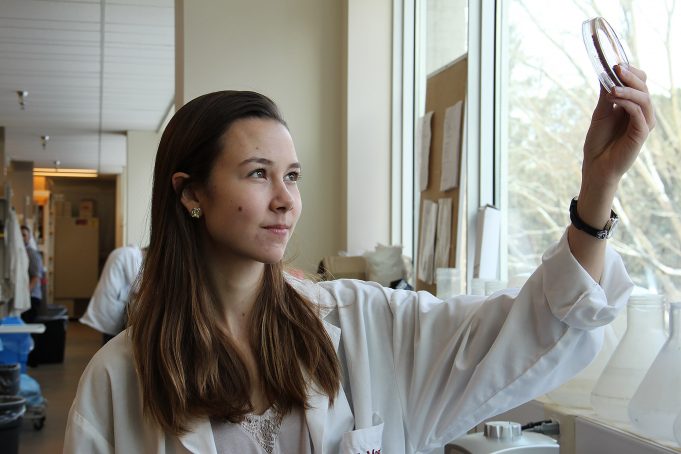
A new group of antibiotics with a unique approach to attacking bacteria has been discovered, making it a promising clinical candidate in the fight against antimicrobial resistance.
The newly-found corbomycin and the lesser-known complestatin have a never-before-seen way to kill bacteria,...
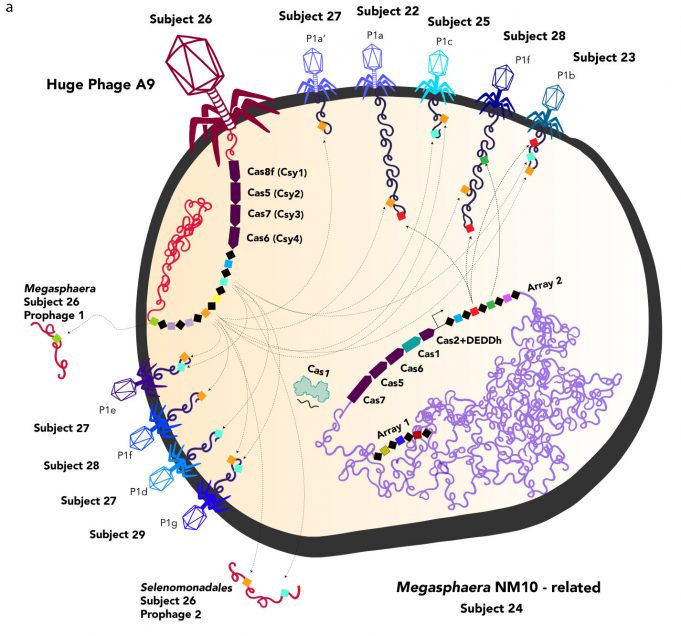
Scientists have discovered hundreds of unusually large, bacteria-killing viruses with capabilities normally associated with living organisms, blurring the line between living microbes and viral machines.
These phages—short for bacteriophages, so-called because they "eat" bacteria—are of a size and complexity considered...
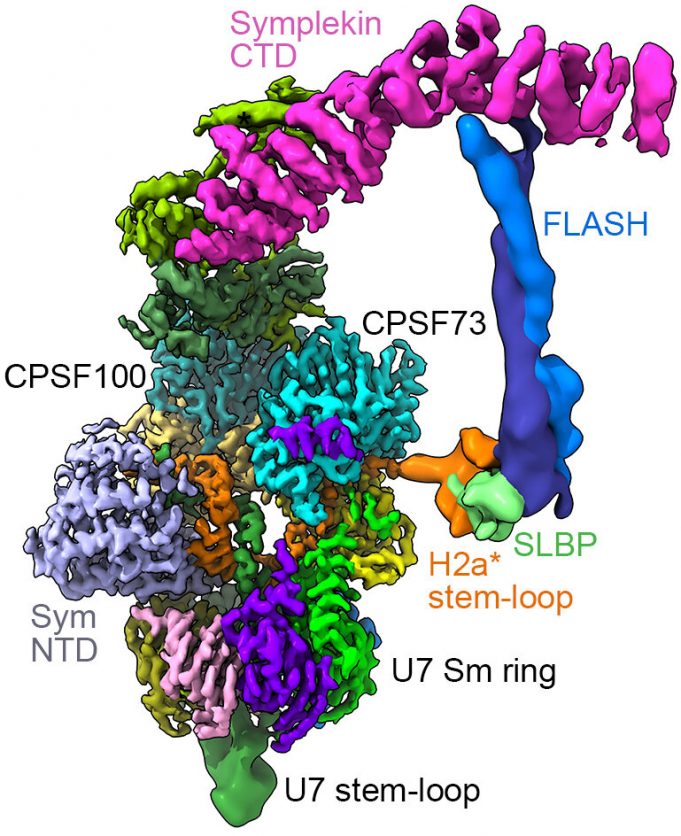
Scientists from the UNC School of Medicine, Columbia University, and Rockefeller University have revealed the inner workings of one of the most fundamental and important molecular machines in cells.
The researchers, in a study published in Science, used biochemical experiments and...
By figuring out how a common virus hides from the immune system, scientists have identified a potential vaccine to prevent sometimes deadly respiratory infections in humans.
The research was conducted using the human metapneumovirus (HMPV). The virus was discovered in 2001, but...

An elaborate system of filaments, liquid droplet dynamics and protein connectors enables the repair of some damaged DNA in the nuclei of cells, researchers at the University of Toronto have found. The findings further challenge the belief that broken...
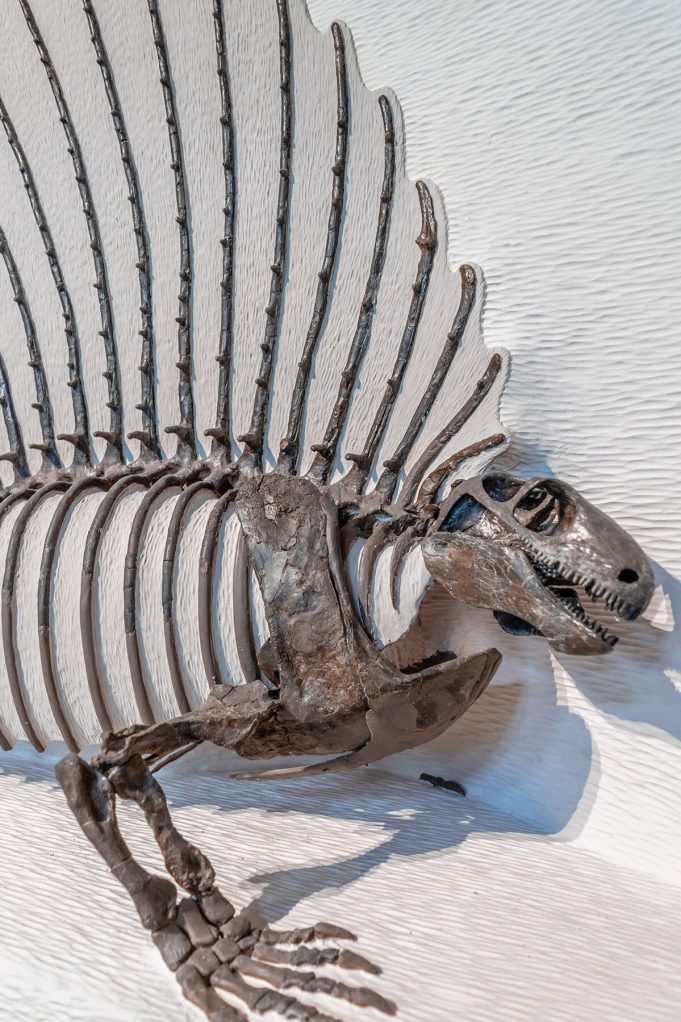
A new study from Harvard University and the Field Museum of Natural History sheds light on how and when changes in the spine happened in mammal evolution. The research reveals how a combination of developmental changes and adaptive pressures...
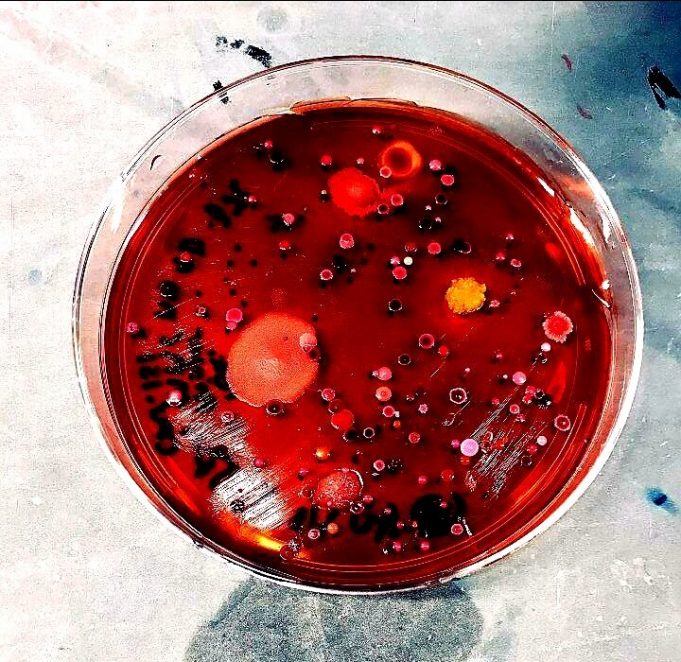
Biomedical engineers at Duke University have demonstrated that at least 25 percent of antibiotic-resistant pathogenic bacteria found in clinical settings are capable of spreading their resistance directly to other bacteria. At the same time, the study shows that, despite...

A newly published study reports a successful, first-ever open-field release of a self-limiting, genetically engineered diamondback moth, stating that it paves the way for an effective and sustainable approach to pest control.
The diamondback moth, also known as Plutella xylostella, is highly...
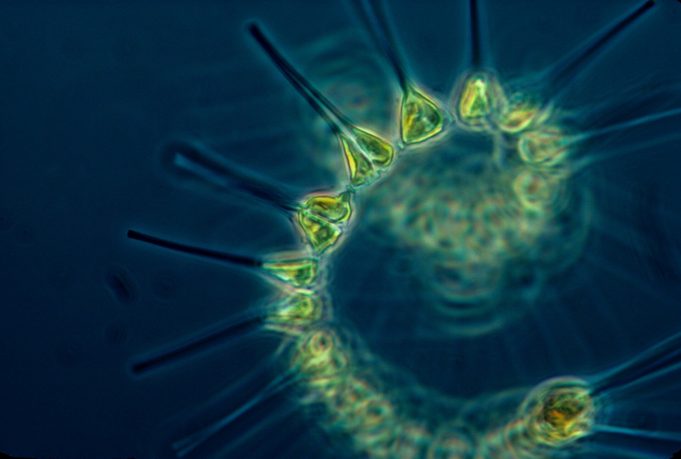
A neural network-driven Earth system model has led University of California, Irvine oceanographers to a surprising conclusion: phytoplankton populations will grow in low-latitude waters by the end of the 21st century.
The unexpected simulation outcome runs counter to the longstanding...

A combination of climate change, extreme weather and pressure from local human activity is causing a collapse in global biodiversity and ecosystems across the tropics, new research shows.
The study, published today, mapped over 100 locations where tropical forests and coral...


