




Microbiologists have long adopted the language of human settlement to describe how bacteria live and grow: They "invade" and "colonize." Relations dwelling in close proximity are "colonies."
By pairing super-resolution imaging technology with a computational algorithm, a new study in Nature...

A sperm enters an egg, an embryo develops and eventually a baby is born. But back up a second—how does the mother's half-genome actually merge with the father's half-genome to form one new human genome? Turns out researchers don't...

Tuberculosis still represents the infectious disease with the highest fatality numbers. It is caused by mycobacteria, which mainly attack the lungs but can also affect almost any other organ. The fatty acid biosynthetic factory is an important target in...

A new imaging method combined with machine learning uncovers previously hidden information in micrographs of biological cells to reveal quantitative information of gene expression levels.
Researchers from the University of Glasgow's James Watt School of Engineering and School of Computing...
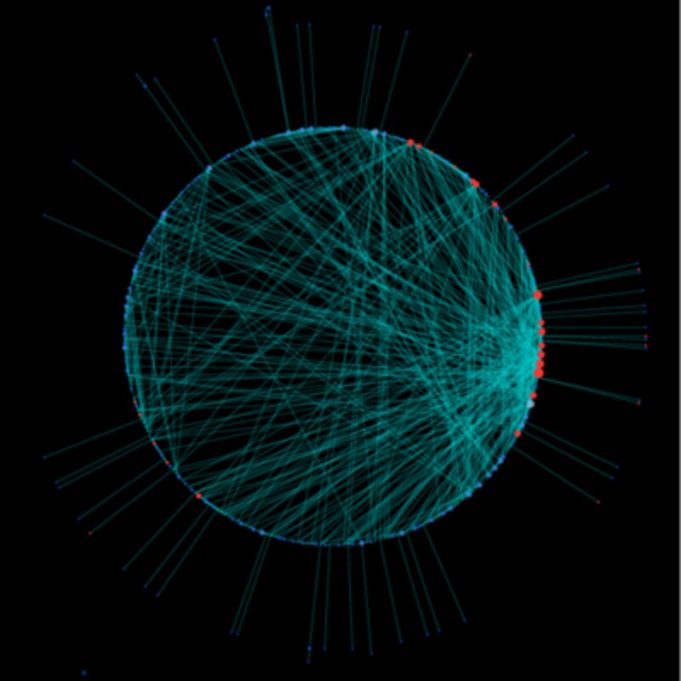
Life converts food into cells via dense networks involving thousands of reactions. New research uncovers insights as to how such networks could have arisen from scratch at life's origin. An international team of researchers in Germany, New Zealand and...
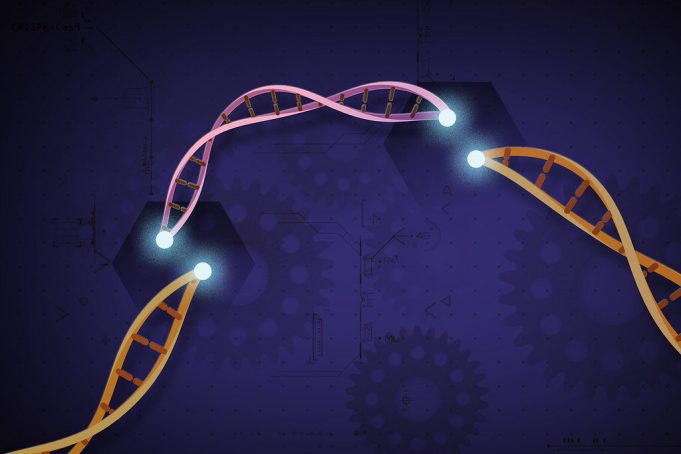
In a new publication in Nature Plants, assistant professor of Plant Science at the University of Maryland Yiping Qi has established a new CRISPR genome engineering system as viable in plants for the first time: CRISPR-Cas12b. CRISPR is often thought...

Chlamydia are infamous for causing sexually transmitted infections in humans and animals or even amoeba. An international team of researchers have now discovered diverse populations of abundant Chlamydia living in deep Arctic ocean sediments. They live under oxygen-devoid conditions,...
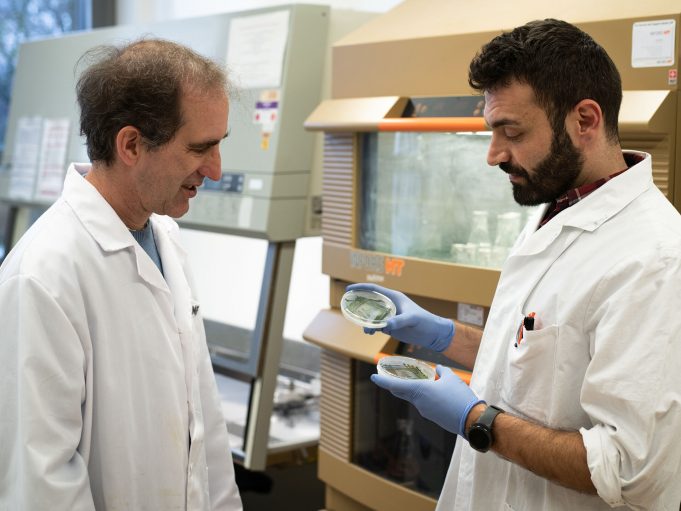
Cyanobacteria—colloquially called blue-green algae—can produce oil from water and carbon dioxide with the help of light. This is shown by a recent study by the University of Bonn. The result is unexpected: Until now, it was believed that this...

Researchers at the University of Bristol have come up with a new type of nanoelectromechanical relay to enable reliable high-temperature, non-volatile memory.
The work, which is reported in Nature Communications, was carried out in collaboration with the University of Southampton and...
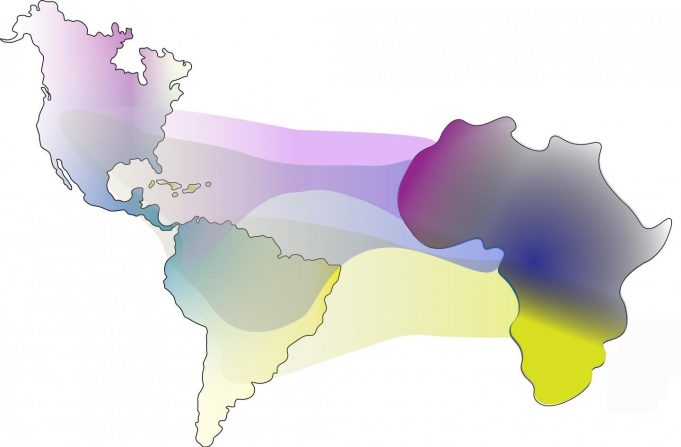
The Transatlantic Slave Trade transported more than 9 million Africans to the Americas between the early 16th and the mid-19th centuries. In the past decade, scientists have utilized extensive genomic analyses to better understand the patterns of African-American ancestry...
When scientists try to predict the spread of something across populations—anything from a coronavirus to misinformation—they use complex mathematical models to do so. Typically, they'll study the first few steps in which the subject spreads, and use that rate...


