





There may be a small answer to one of the biggest problems on the planet.
German researchers report in the journal Frontiers in Microbiology that they have identified and characterized a strain of bacteria capable of degrading some of the chemical building blocks of...
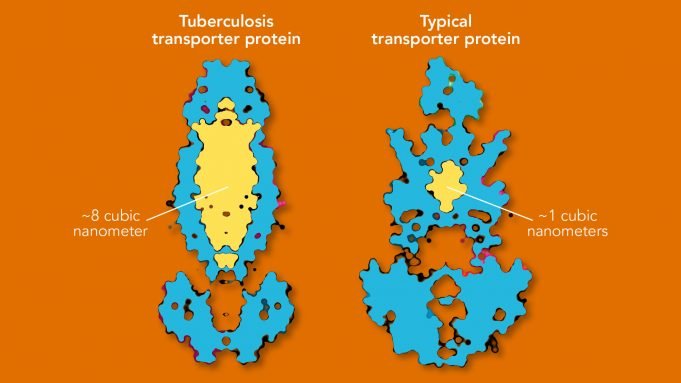
Researchers from the Department of Energy's SLAC National Accelerator Laboratory have discovered a strange new feature of a protein that's thought to be important in the development of tuberculosis: The protein contains a "huge" interior pocket, the likes of...
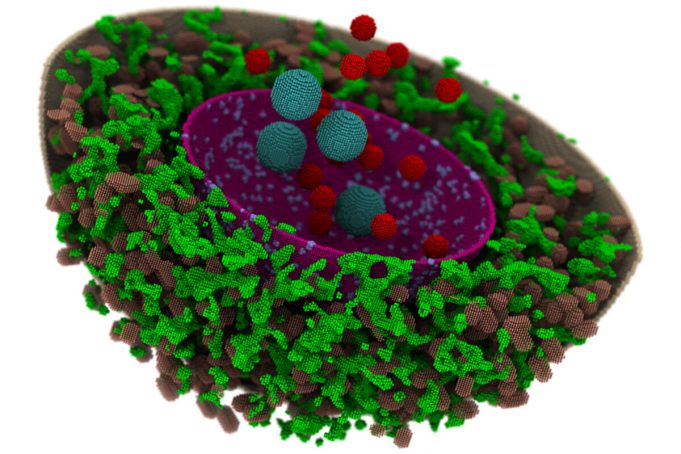
Researchers have developed the first computational model of a human cell and simulated its behavior for 15 minutes -- the longest time achieved for a biological system of this complexity. In a new study, simulations reveal the effects of...
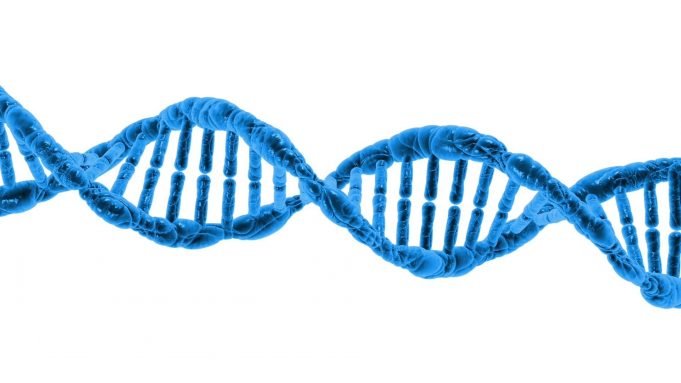
Scientists have revealed an important mechanism in the repair of DNA double-strand breaks, according to new research published today in eLife.
The discovery will help our understanding of why DNA repair processes do not work properly in some people, causing inherited...

When an egg cell of almost any sexually reproducing species is fertilized, it sets off a series of waves that ripple across the egg's surface. These waves are produced by billions of activated proteins that surge through the egg's...

Drug therapies that help older adults maintain their skeletal muscle mass and physical function for longer could be a step closer after researchers at the University of Birmingham identify a key mechanism that drives the clearance of damaged mitochondria.
A...
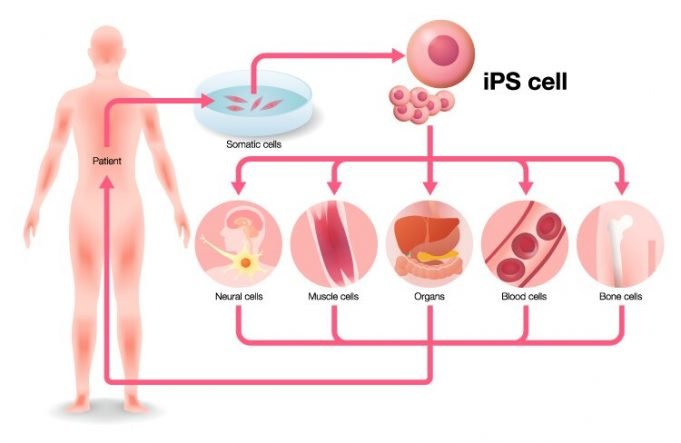
People who live more than 110 years, called supercentenarians, are remarkable not only because of their age, but also because of their incredible health. This elite group appears resistant to diseases such as Alzheimer's, heart disease and cancer that...

A new study has provided the most comprehensive analysis of human genetic diversity to date, after the sequencing of 929 human genomes by scientists at the Wellcome Sanger Institute, the University of Cambridge and their collaborators. The study uncovers...

Stanford researchers have developed a technique that reprograms cells to use synthetic materials, provided by the scientists, to build artificial structures able to carry out functions inside the body.
"We turned cells into chemical engineers of a sort, that use...

How we farm can guard against climate change and protect critical wildlife—but only if we leave single-crop farms in the dust, according to a new Stanford study.
The research provides a rare, long-term look at how farming practices affect bird...
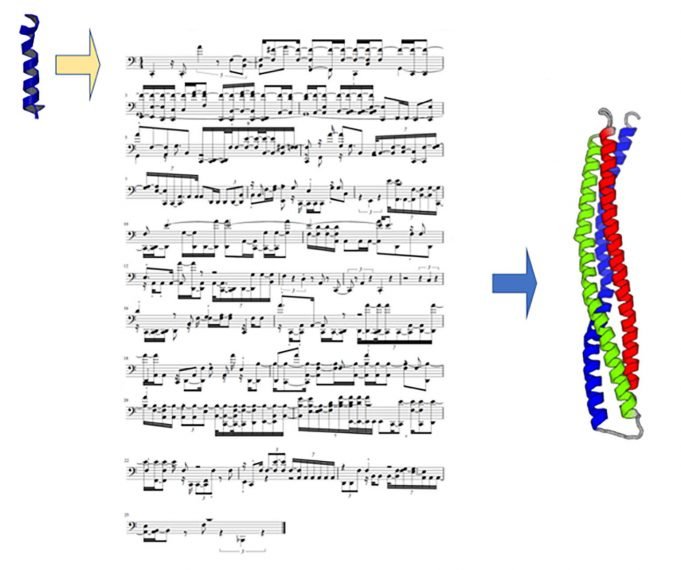
Proteins are the building blocks of life, and consequently, scientists have long studied how they can improve proteins and design completely new proteins that perform new functions and processes.
Traditionally, new proteins are created by either mimicking existing proteins or...


