




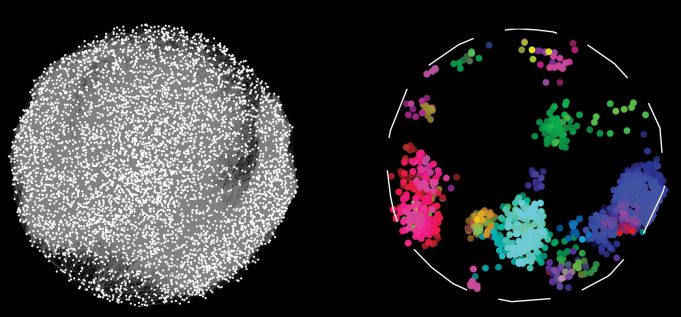
The human body is composed of billions of cells, each of which is made and maintained through countless interactions among its molecular parts. But which interactions sustain health and which ones can cause disease when they go awry? The...

Viruses that jump from animals to people, like the one responsible for COVID-19, will likely become more common as people continue to transform natural habitats into agricultural land, according to a new Stanford study.
The analysis, published in Landscape Ecology, reveals...

As COVID-19 spreads across the globe, a common question is, can infectious diseases be connected to environmental change? Yes, indicates a study published today from the University of California, Davis' One Health Institute.
Exploitation of wildlife by humans through hunting, trade, habitat degradation and...
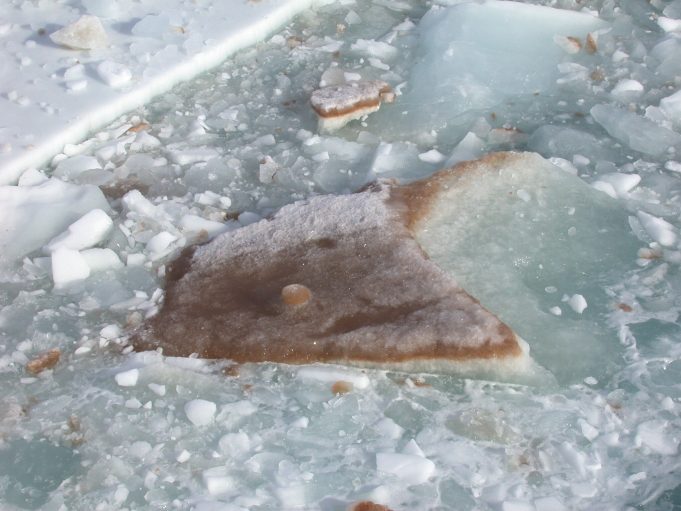
Researchers have made a major breakthrough in developing gene-editing tools to improve our understanding of one of the most important ocean microbes on the planet.
The international project, co-led by scientists at the University of East Anglia (UEA) in the...
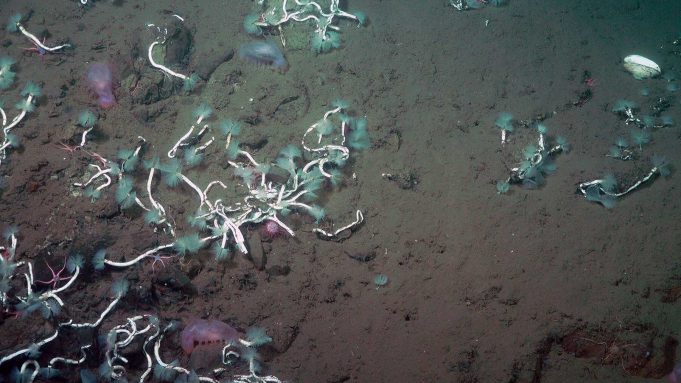
Scientists at Caltech and Occidental College have discovered a methane-fueled symbiosis between worms and bacteria at the bottom of the sea, shedding new light on the ecology of deep-sea environments.
They found that bacteria belonging to the Methylococcaceae family have...
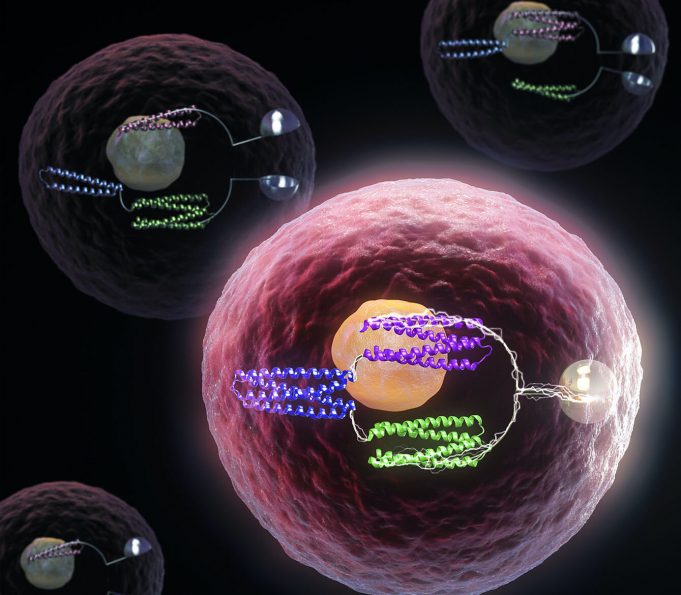
The same basic tools that allow computers to function are now being used to control life at the molecular level. The advances have implications for future medicines and synthetic biology.
Reporting April 2 in the journal Science, a team led by...
Cells will ramp up gene expression in response to physical forces alone, a new study finds. Gene activation, the first step of protein production, starts less than one millisecond after a cell is stretched—hundreds of times faster than chemical...
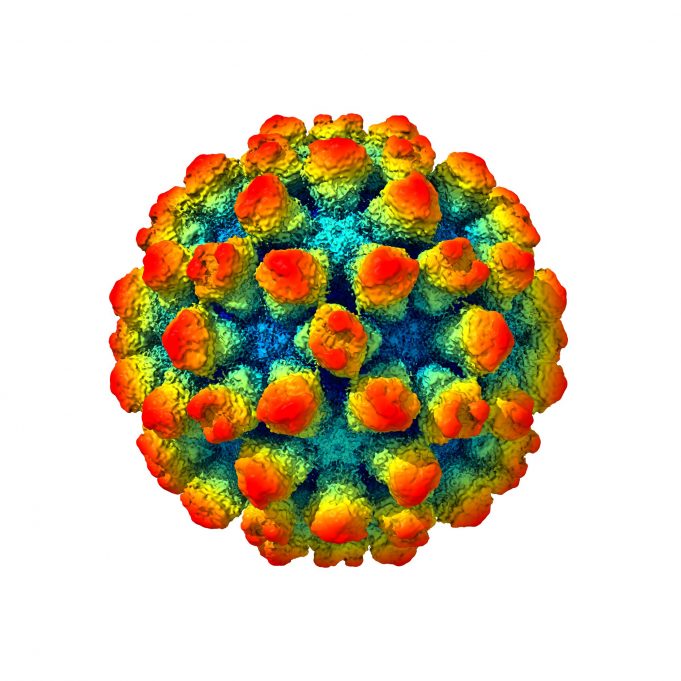
Every picture tells a story... none more so than this detailed visualisation of a strain of the norovirus.
Created from 13,000 separate images taken by an electron microscope, it reveals in rich detail the structure of the virus. It shows bump-like...
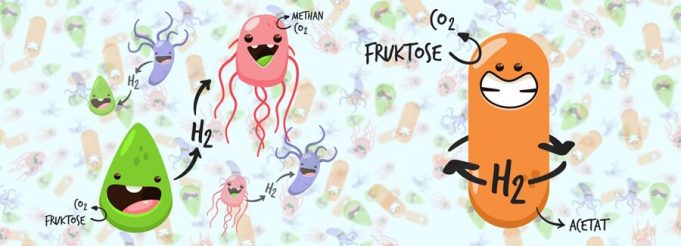
They make sauerkraut sour, turn milk into yogurt and cheese, and give rye bread its intensive flavour: bacteria that ferment nutrients instead of using oxygen to extract their energy. Acetobacterium woodii (short: A. woodii) is one of these anaerobic...
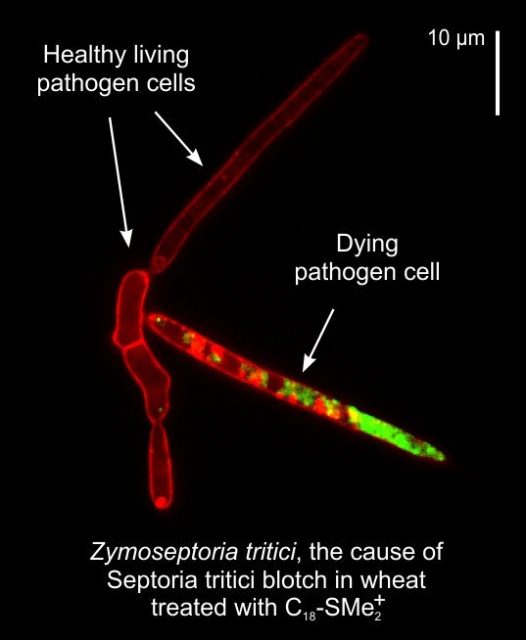
Pathogenic fungi pose a huge and growing threat to global food security.
Currently, we protect our crops against fungal disease by spraying them with anti-fungal chemistries, also known as fungicides.
However, the growing threat of microbial resistance against these chemistries requires continuous development...
Many basic and clinical researchers are testing the potential of a simple and efficient gene editing approach to study and correct disease-causing mutations for conditions ranging from blindness to cancer, but the technology is constrained by a requirement that...


