




Cornell researchers have sequenced and analyzed the genome of a single-celled alga that belongs to the closest lineage to terrestrial plants and provides many clues to how aquatic plants first colonized land.
The report, "The Penium margaritaceum Genome: Hallmarks of...

The gene-editing technology CRISPR has been used for a variety of agricultural and public health purposes—from growing disease-resistant crops to, more recently, a diagnostic test for the virus that causes COVID-19.
Now a study involving fish that look nearly identical...

As people get older, they often feel less energetic, mobile or active. This may be due in part to a decline in mitochondria, the tiny powerhouses inside of our cells, which provide energy and regulate metabolism. In fact, mitochondria...
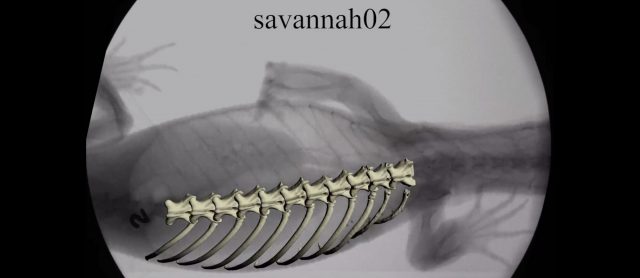
When early tetrapods transitioned from water to land the way they breathed air underwent an evolutionary revolution. Fish use muscles in their head to pump water over their gills. The first land animals utilized a similar technique—modern frogs still...

Newly released genomes from Neolithic East Asia have unveiled a missing piece of human prehistory, according to a study conducted by Prof. Fu Qiaomei's team from the Institute of Vertebrate Paleontology and Paleoanthropology (IVPP) of the Chinese Academy of...

A new tool invented by University of Alberta biologists to sequence circular DNA will provide scientists with richer, more accurate data that could help advance research on viruses, agriculture and perhaps even cancer.
The tool—called CIDER-Seq, which uses DNA sequencing technology...

A team of biochemists and virologists at Goethe University and the Frankfurt University Hospital were able to observe how human cells change upon infection with SARS-CoV-2, the virus causing COVID-19 in people. The scientists tested a series of compounds...

Women are more likely to conceive fraternal twins once they reach their 30s as a result of an evolutionary response to combat declining embryo viability, according to a new international collaboration involving researchers at The University of Western Australia.
While...

Most electrical activity in vertebrates and invertebrates occurs at extremely low frequencies, and the origin—and medical potential—of these frequencies have eluded scientists. Now a Tel Aviv University study provides evidence for a direct link between electrical fields in the...
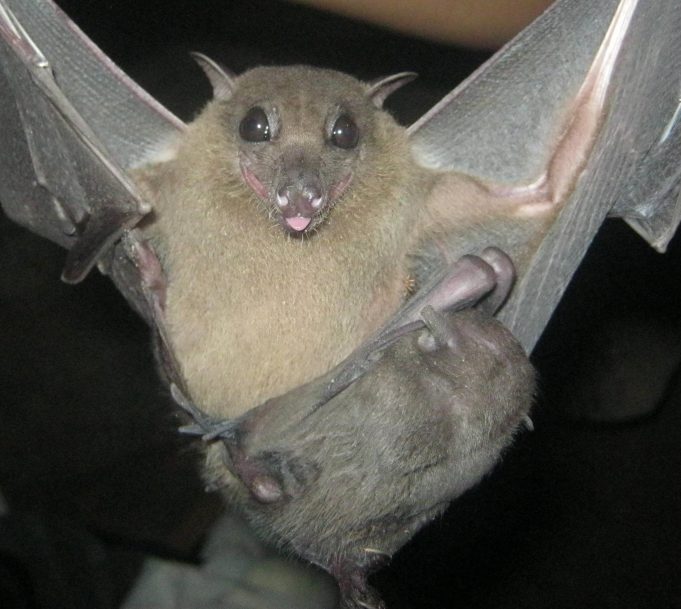
Bats do a lot of good for the world—they pollinate plants, they eat disease-carrying insects, and they help disperse seeds that help with the regeneration of tropical forest trees. Bats and a range of other mammal groups are also...
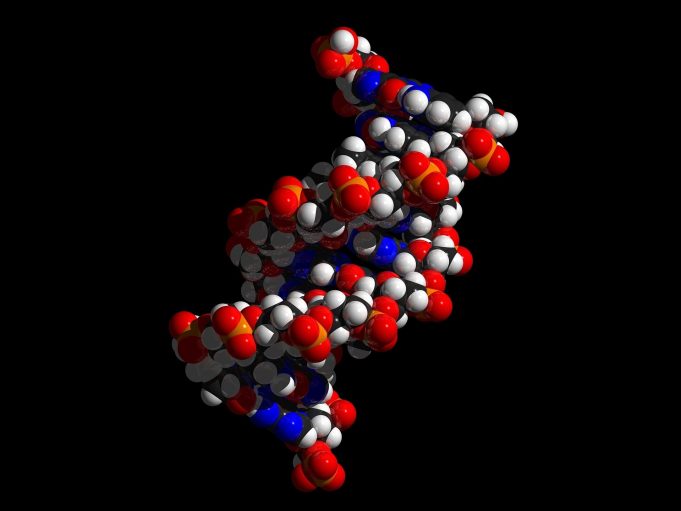
The common view of heredity is that all information passed down from one generation to the next is stored in an organism's DNA. But Antony Jose, associate professor of cell biology and molecular genetics at the University of Maryland,...


