




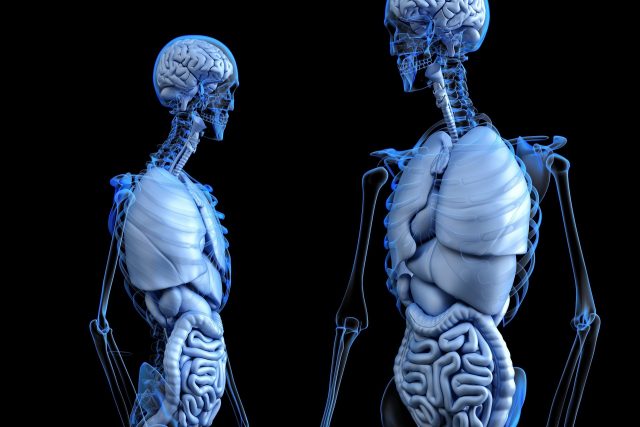
A large-scale study conducted by molecular biologists from Heidelberg University has yielded groundbreaking new insights into the evolution and regulation of gene expression in mammalian organs. The scientists investigated RNA synthesis and subsequent protein synthesis in the organs of...
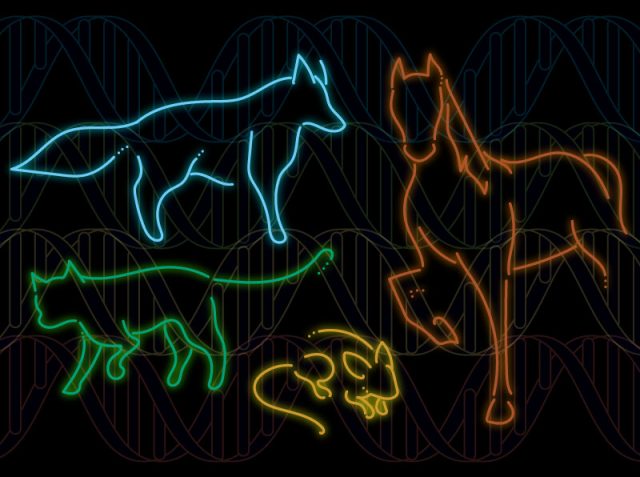
An international team of researchers with an effort called the Zoonomia Project has analyzed and compared the whole genomes of more than 80 percent of all mammalian families, spanning almost 110 million years of evolution. The genomic dataset, published...

Researchers from Lawrence Berkeley National Laboratory (Berkeley Lab) have achieved unprecedented success in modifying a microbe to efficiently produce a compound of interest using a computational model and CRISPR-based gene editing.
Their approach could dramatically speed up the research and development...

When wolves returned to Yellowstone in 1995, no one imagined the predators would literally change the course of rivers in the national park through cascading effects on other animals and plants. Now, a Stanford University-developed approach holds the promise...

Rank in social hierarchy is a condition not solely claimed by humans. In the animal kingdom, male peacocks exhibit brightly colored plumes to illustrate dominance, and underwater, male fish show pops of bright colors to do the same. Despite...
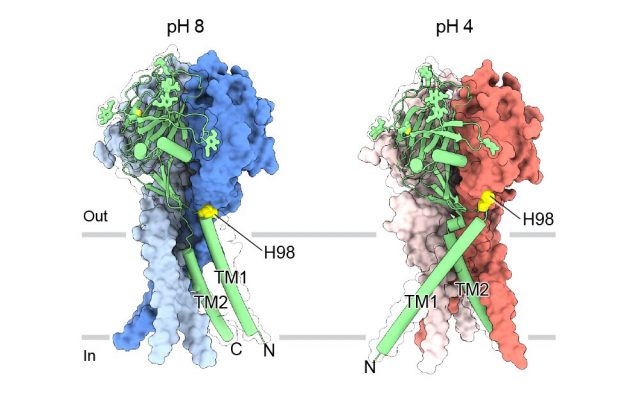
For the first time, scientists have visualized a new class of molecular gates that maintain pH balance within brain cells, a critical function that keeps cells alive and helps prevent stroke and other brain injuries.
These gates, called proton-activated chloride...
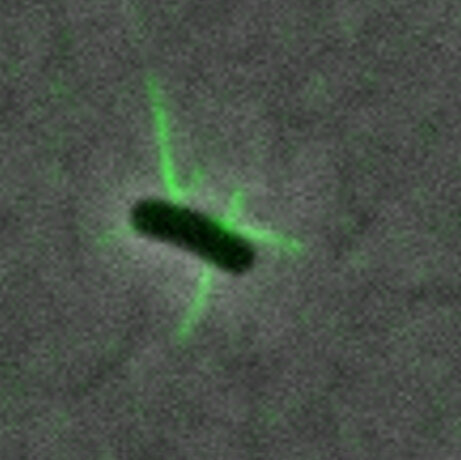
A virus can stop bacteria from sharing genes for antibiotic resistance among themselves, Texas A&M AgriLife researchers have discovered. The results hint at new ways to treat infections and describe a new feature of a highly diverse, largely unexplored...
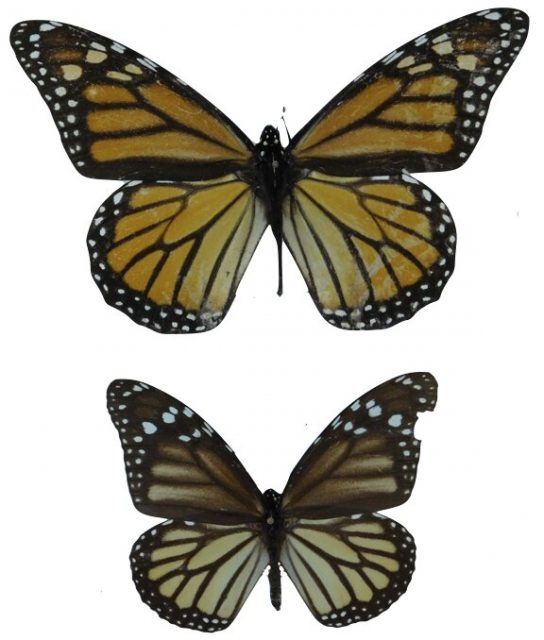
ed Monarch butterflies are known for their annual, multi-generation migrations in which individual insects can fly for thousands of miles. But Monarchs have also settled in some locations where their favorite food plants grow year round, so they no...
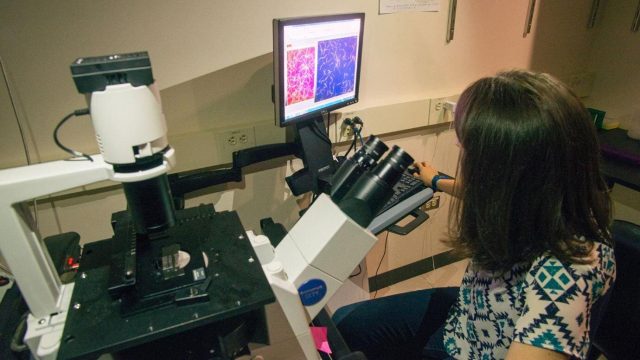
As cells bump into each other, forces cause them to move and shake, or even sometimes rupture.
"Cells are constantly generating forces and responding to them. They are being pulled on by their environment," said Jonathan Winkelman, a postdoctoral researcher...

Coronaviruses are adept at imitating human immune proteins that have been implicated in severe COVID-19 disease, a study from researchers at Columbia University Vagelos College of Physicians and Surgeons has found.
The study was published online ahead of print in Cell...
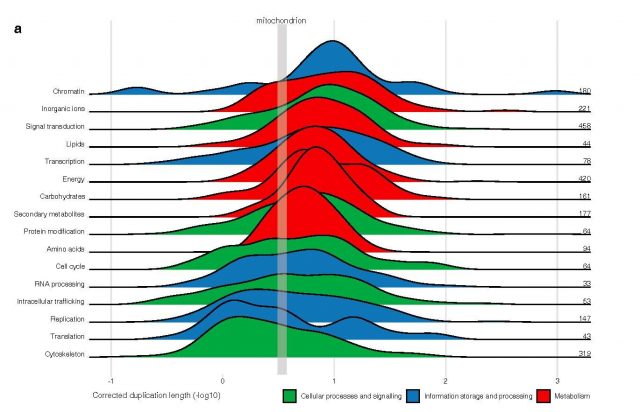
By analyzing duplicates of thousands of genes, researchers have reconstructed the evolutionary events leading to the creation of eukaryotic cells, the precursors to virtually all life you can see with the naked eye. The evolutionary timeline from simple bacterial...


