






A study conducted by a team of national laboratory and NASA researchers has found that the environment of the International Space Station is affected by the microbial composition of the astronauts themselves.
The five-year research effort represents the first study...
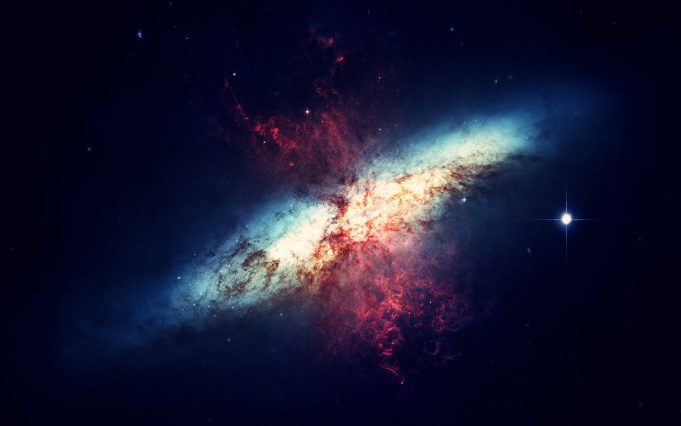
Giant elliptical galaxies are not as likely as previously thought to be cradles of technological civilizations such as our own, according to a recent paper by a University of Arkansas astrophysicist.
The paper, published May 1 in the journal Monthly Notices...

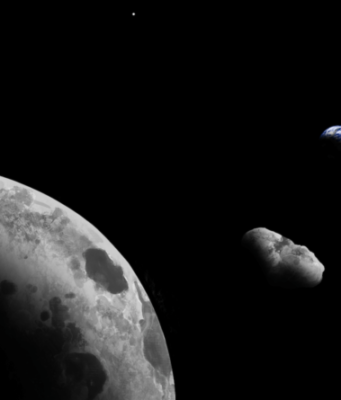
Researchers have discovered a system of ridges spread across the nearside of the Moon topped with freshly exposed boulders. The ridges could be evidence of active lunar tectonic processes, the researchers say, possibly the echo of a long-ago impact...
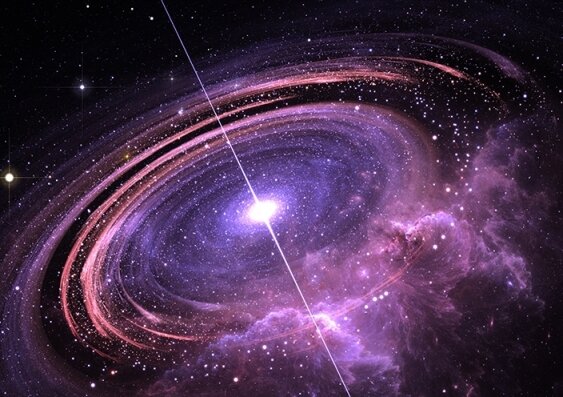
Not only does a universal constant seem annoyingly inconstant at the outer fringes of the cosmos, it occurs in only one direction, which is downright weird.
Those looking forward to a day when science's Grand Unifying Theory of Everything could...
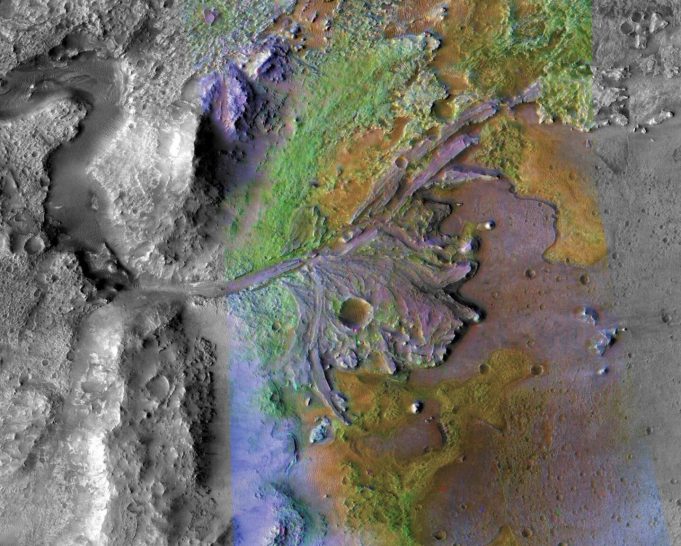
Undulating streaks of land visible from space reveal rivers once coursed across the Martian surface—but for how long did the water flow? Enough time to record evidence of ancient life, according to a new Stanford study.
Scientists have speculated that...
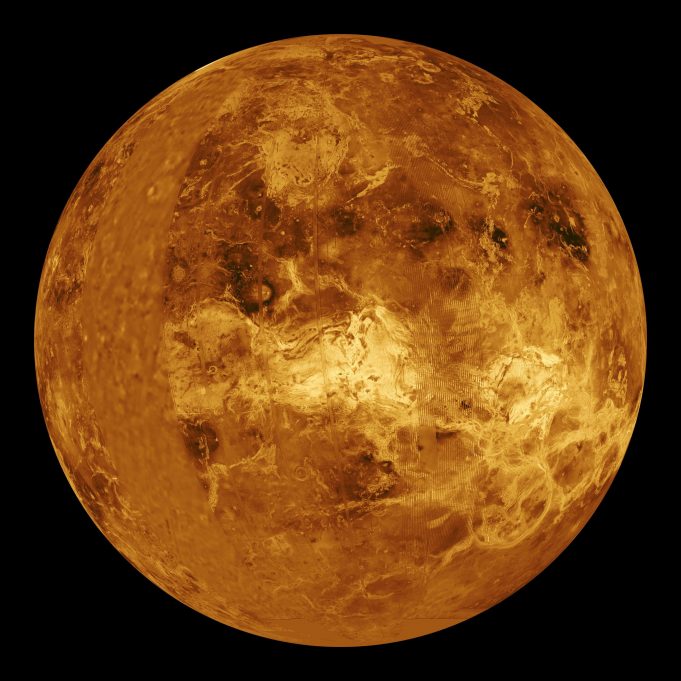
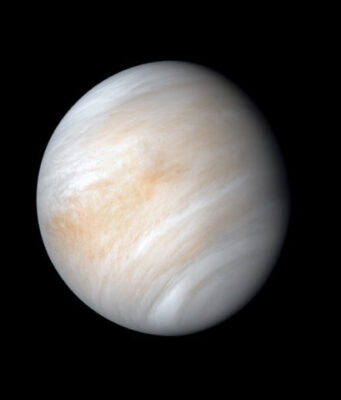
Images from the Akatsuki spacecraft unveil what keeps Venus's atmosphere rotating much faster than the planet itself.
An international research team led by Takeshi Horinouchi of Hokkaido University has revealed that this 'super-rotation' is maintained near the equator by atmospheric...
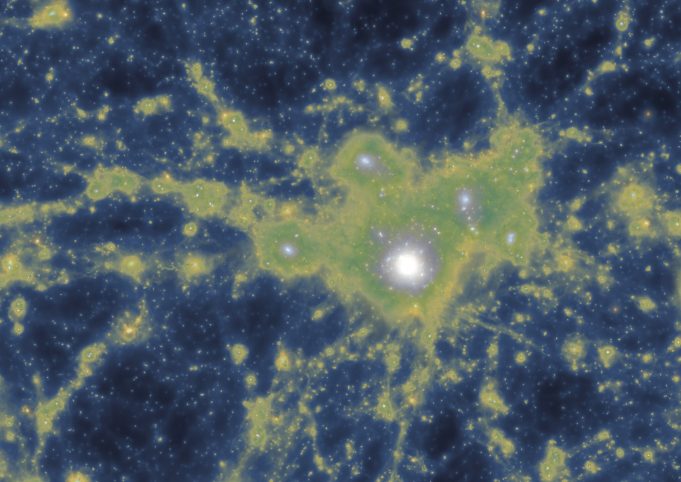
Galaxies grow large by eating their smaller neighbours, new research reveals.
Exactly how massive galaxies attain their size is poorly understood, not least because they swell over billions of years. But now a combination of observation and modelling from researchers led by Dr. Anshu...
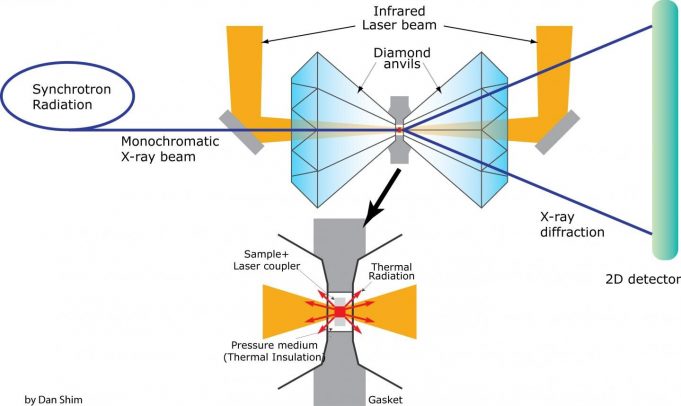
Astrophysical observations have shown that Neptune-like water-rich exoplanets are common in our galaxy. These "water worlds" are believed to be covered with a thick layer of water, hundreds to thousands of miles deep, above a rocky mantle.
While water-rich exoplanets are...
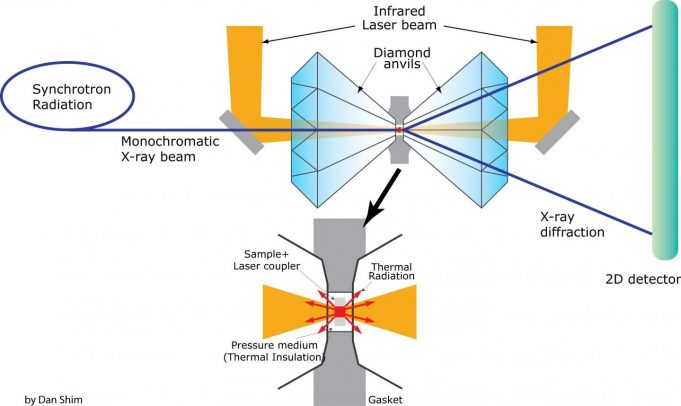
Astrophysical observations have shown that Neptune-like water-rich exoplanets are common in our galaxy. These "water worlds" are believed to be covered with a thick layer of water, hundreds to thousands of miles deep, above a rocky mantle.
While water-rich exoplanets are...
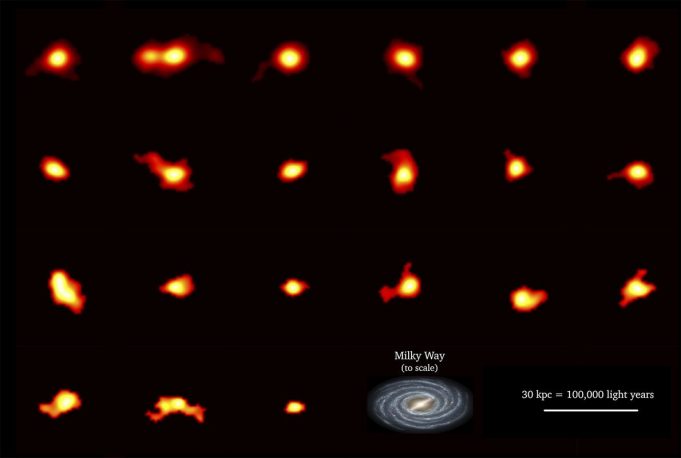
New results from an ambitious sky survey program, called ALPINE, reveal that rotating disk-shaped galaxies may have existed in large numbers earlier in the universe than previously thought.
The ALPINE program, formally named "ALMA Large Program to Investigate C+ at...

The expectations of the gravitational-wave research community have been fulfilled: gravitational-wave discoveries are now part of their daily work as they have identified in the past observing run, O3, new gravitational-wave candidates about once a week. But now, the...


