




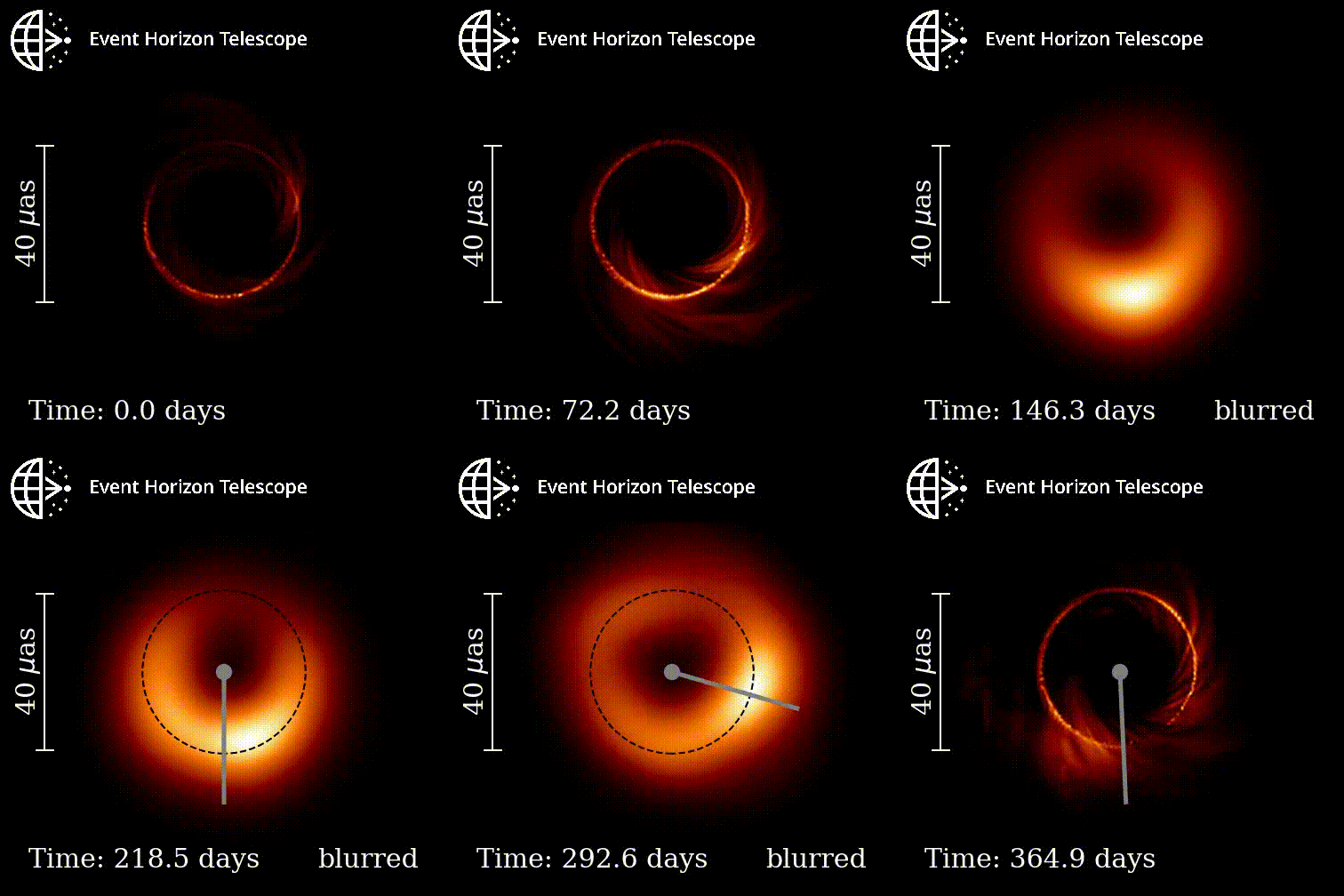
In 2019, the Event Horizon Telescope Collaboration delivered the first image of a black hole, revealing M87*—the supermassive object in the center of the M87 galaxy. The team has now used the lessons learned last year to analyze the...

In a delightful alignment of astronomy and mathematics, scientists at MIT and elsewhere have discovered a "pi Earth"—an Earth-sized planet that zips around its star every 3.14 days, in an orbit reminiscent of the universal mathematics constant.
The researchers discovered...
At Earth, auroras are formed when charged particles from the Sun follow our planet's magnetic field lines to the north and south poles. There, solar particles strike atoms and molecules in Earth's atmosphere, creating shimmering curtains of colorful light in high-latitude...
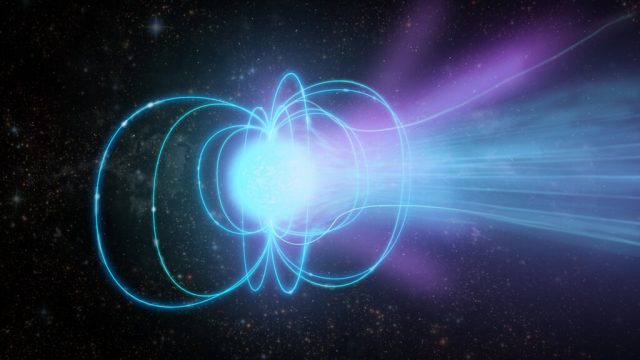
Astronomers using the National Science Foundation's Very Long Baseline Array (VLBA) have made the first direct geometric measurement of the distance to a magnetar within our Milky Way Galaxy—a measurement that could help determine if magnetars are the sources...

Astronomers have presented an explanation for the shapes of planetary nebulae. The discovery is based on a set of observations of stellar winds around aging stars. Contrary to common consensus, the team found that stellar winds are not spherical,...
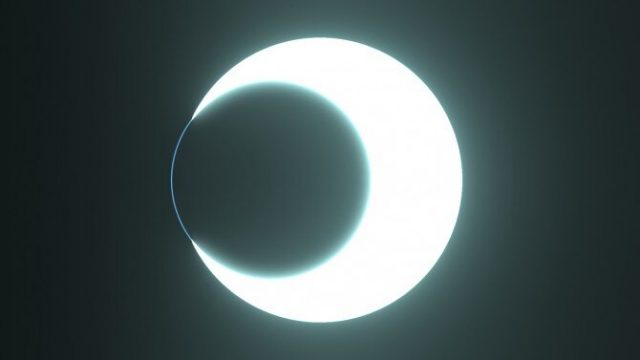
Image: A planet orbiting a small star produces strong atmospheric signals when it passes in front, or 'transits,' its host star, as pictured above. White dwarfs offer astronomers a rare opportunity to characterize rocky planets.Credit: Carl Sagan Institute
When stars...
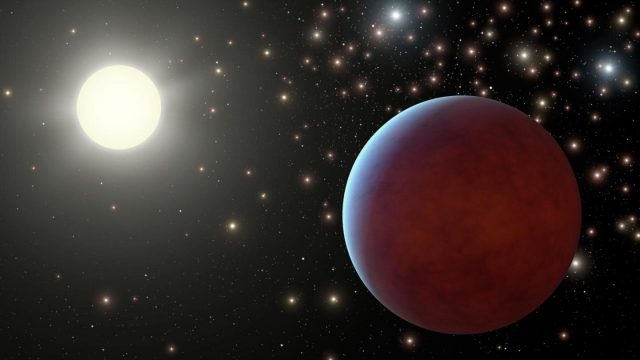
A Southwest Research Institute scientist has identified stellar phosphorus as a probable marker in narrowing the search for life in the cosmos. She has developed techniques to identify stars likely to host exoplanets, based on the composition of stars...
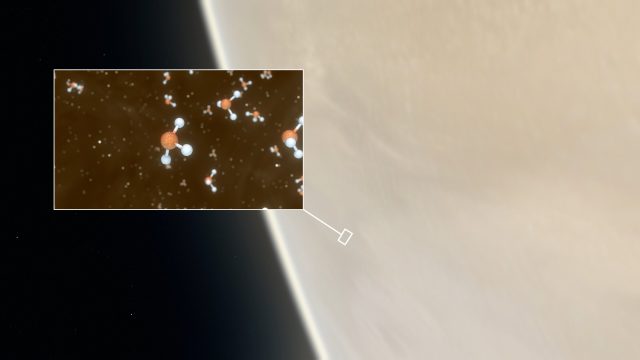
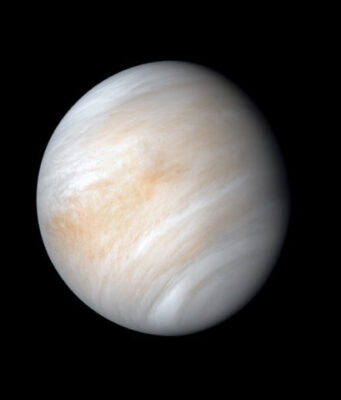
An international team of astronomers, led by Professor Jane Greaves of Cardiff University, today announced the discovery of a rare molecule—phosphine—in the clouds of Venus. On Earth, this gas is only made industrially, or by microbes that thrive in...

The fast-warming Arctic has started to transition from a predominantly frozen state into an entirely different climate, according to a comprehensive new study of Arctic conditions.
Weather patterns in the upper latitudes have always varied from year to year, with...

Planets form from the gas and dust in disks that surround young stars. Chemicals in the disk that evaporate easily, called volatiles, include important molecules like water, carbon monoxide, nitrogen, as well as other simple organic molecules. The amount...
Are we alone in the universe?
It is one of the most profound questions posed in modern astronomy. But although our understanding of the cosmos has grown significantly, the question remains unanswered. We know that Earth-like planets are common, as...


