



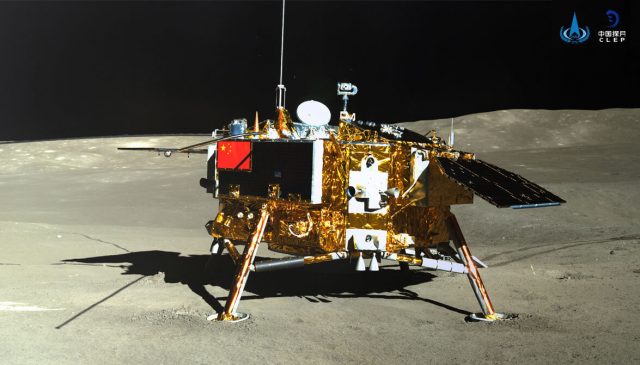
Future moon explorers will be bombarded with two to three times more radiation than astronauts aboard the International Space Station, a health hazard that will require thick-walled shelters for protection, scientists reported Friday.
China's lander on the far side of...
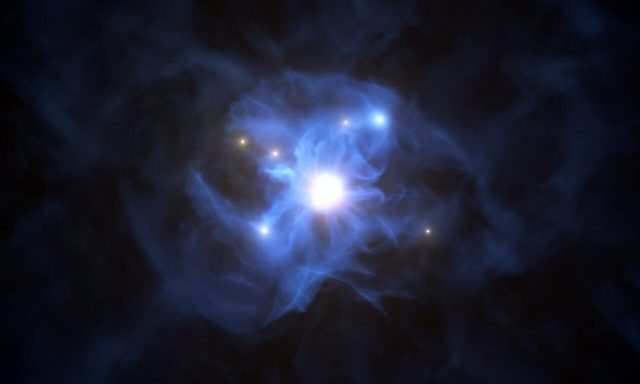
With the help of ESO's Very Large Telescope (VLT), astronomers have found six galaxies lying around a supermassive black hole when the Universe was less than a billion years old. This is the first time such a close grouping...
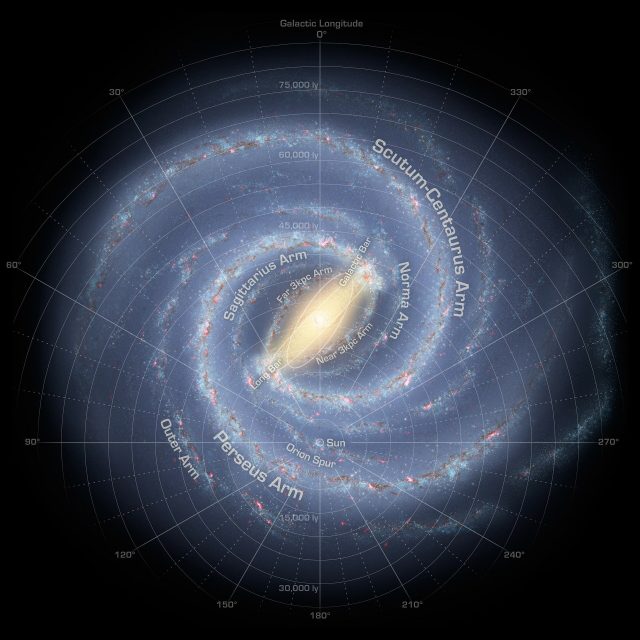
In a research paper published by The Astrophysical Journal Letters, an international team of astrophysicists, including scientists from the University of Surrey, detail how they discovered a group of stars with different characteristics than their neighbors found in the Milky...
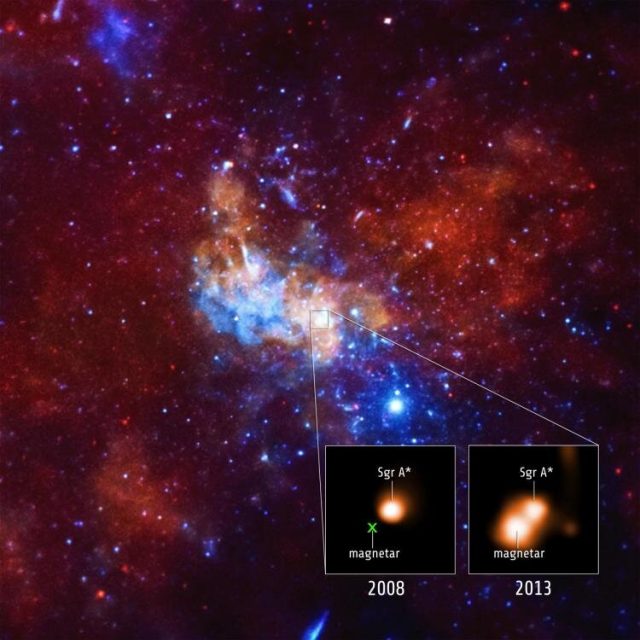
A University of Colorado Boulder astrophysicist is searching the light coming from a distant, and extremely powerful celestial object, for what may be the most elusive substance in the universe: dark matter.
In two recent studies, Jeremy Darling, a professor...

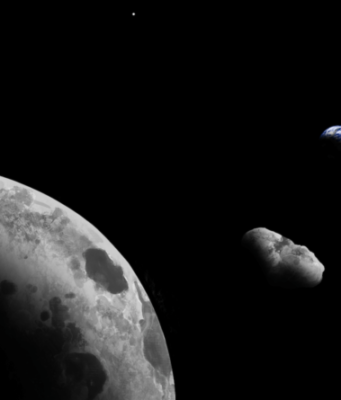
Earth could have lost anywhere between ten and 60 percent of its atmosphere in the collision that is thought to have formed the Moon.
New research led by Durham University, UK, shows how the extent of atmospheric loss depends upon...
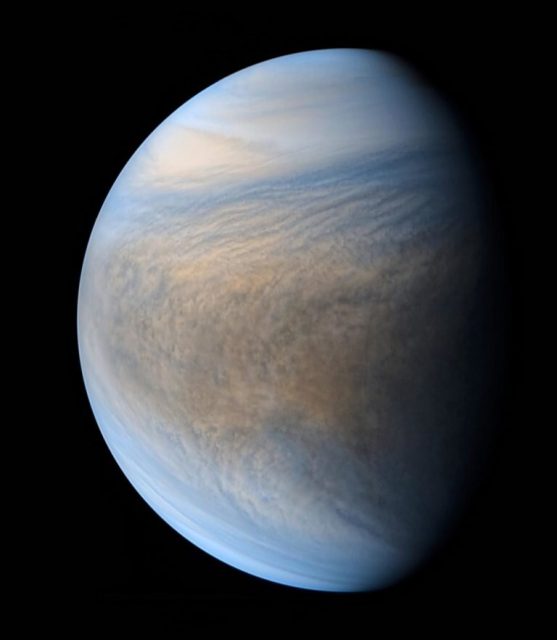
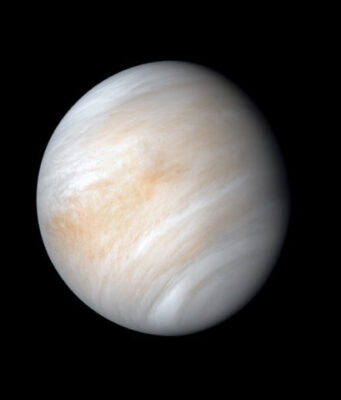
Venus might not be a sweltering, waterless hellscape today, if Jupiter hadn't altered its orbit around the sun, according to new UC Riverside research.
Jupiter has a mass that is two-and-a-half times that of all other planets in our solar...

A study of comet motions indicates that the solar system has a second alignment plane. Analytical investigation of the orbits of long-period comets shows that the aphelia of the comets, the point where they are farthest from the Sun,...

A top goal in cosmology is to precisely measure the total amount of matter in the universe, a daunting exercise for even the most mathematically proficient. A team led by scientists at the University of California, Riverside, has now...
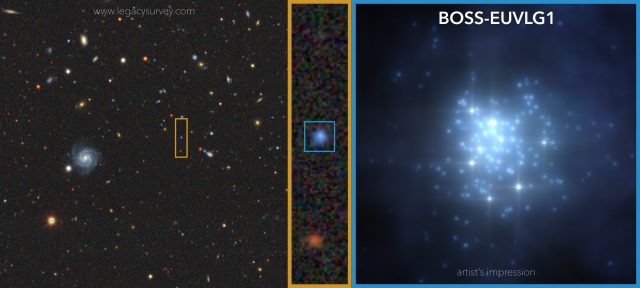
Using observations made with the Gran Telescopio Canarias (GTC), at the Roque de los Muchachos Observatory (Garafía, La Palma, Canary Islands), and with the ATACAMA Large Millimeter/submillimetre Array (ALMA), in Chile, astronomers have found the first galaxy whose ultraviolet...
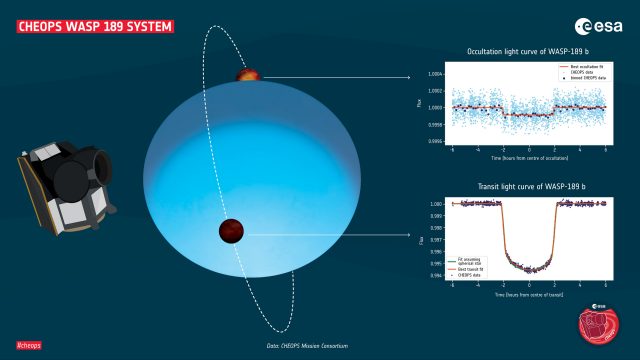
CHEOPS keeps its promise: Observations with the space telescope have revealed details of the exoplanet WASP-189b—one of the most extreme planets known. CHEOPS is a joint mission by the European Space Agency (ESA) and Switzerland, under the aegis of...

Recent science missions and results are bringing the search for life closer to home, and scientists at the Center for Astrophysics | Harvard & Smithsonian (CfA) and the Florida Institute of Technology (FIT) may have figured out how to...


