



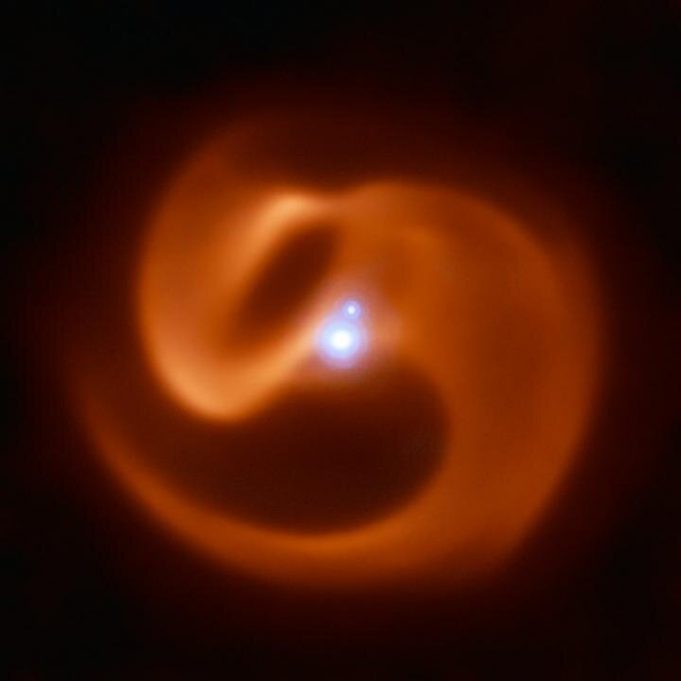
While on COVID lockdown, a University of Sydney honours student has written a research paper on a star system dubbed one of the "exotic peacocks of the stellar world".
Only one in a hundred million stars makes the cut to be classified...

A team of gravitational wave researchers led by the ARC Center of Excellence for Gravitational Wave Discovery (OzGrav) report that when two black holes collide and merge, the remnant black hole "chirps" not once, but multiple times, emitting gravitational...
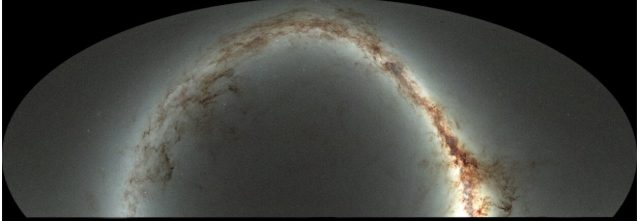
A team of astronomers at the University of Hawaiʻi at Mānoa Institute for Astronomy (IfA) has produced the world's largest three-dimensional astronomical imaging catalog of stars, galaxies and quasars. The team used data from UH's Panoramic Survey Telescope and...
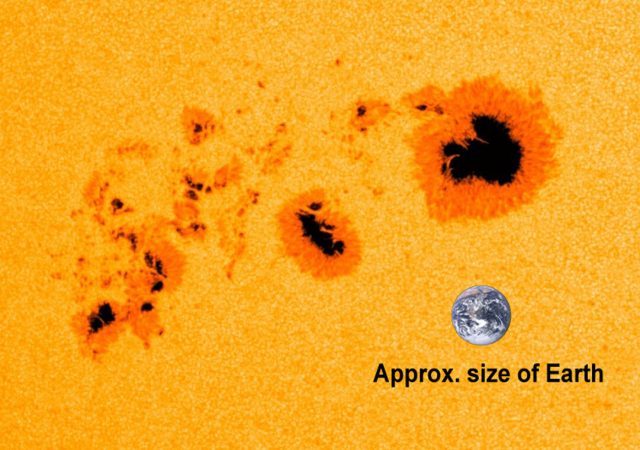
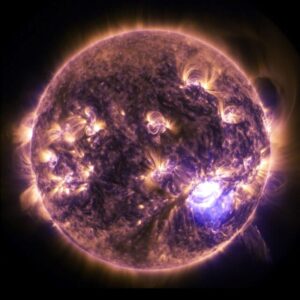
NASA's extensive fleet of spacecraft allows scientists to study the Sun extremely close-up—one of the agency's spacecraft is even on its way to fly through the Sun's outer atmosphere. But sometimes taking a step back can provide new insight.
In...
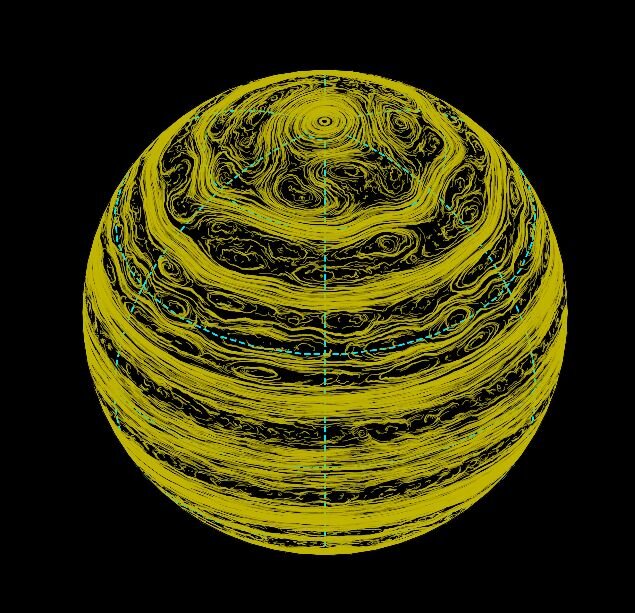
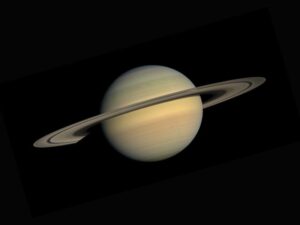
With its dazzling system of icy rings, Saturn has been a subject of fascination since ancient times. Even now the sixth planet from the sun holds many mysteries, partly because its distance away makes direct observation difficult and partly...

NASA's James Webb Space Telescope is still more than a year from launching, but the Gemini South telescope in Chile has provided astronomers a glimpse of what the orbiting observatory should deliver.
Using a wide-field adaptive optics camera that corrects...
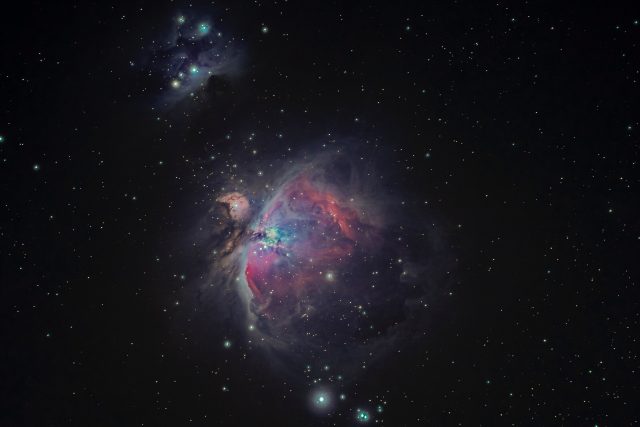
Earth is not necessarily the best planet in the universe. Researchers have identified two dozen planets outside our solar system that may have conditions more suitable for life than our own. Some of these orbit stars that may be...

Catherine Neish is counting the days until her space launch. While the Western planetary geologist isn't space-suiting up for her own interstellar voyage, she is playing a key role in an international mission—dispatching a robotic drone to Saturn's moon...

The vast majority of planets near foreign stars are discovered by astronomers with the help of sophisticated methods. The exoplanet does not appear in the image, but reveals itself indirectly in the spectrum. A team of scientists from the...

If a solar system is a family, then some planets leave home early whether they want to or not. Once they've left the gravitational embrace of their family, they're pretty much destined to drift through interstellar space forever, unbound...

When you look up at the night sky, how do you know whether the specks of light that you see are bright and far away, or relatively faint and close by? One way to find out is to compare...


