


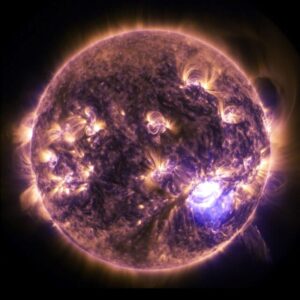

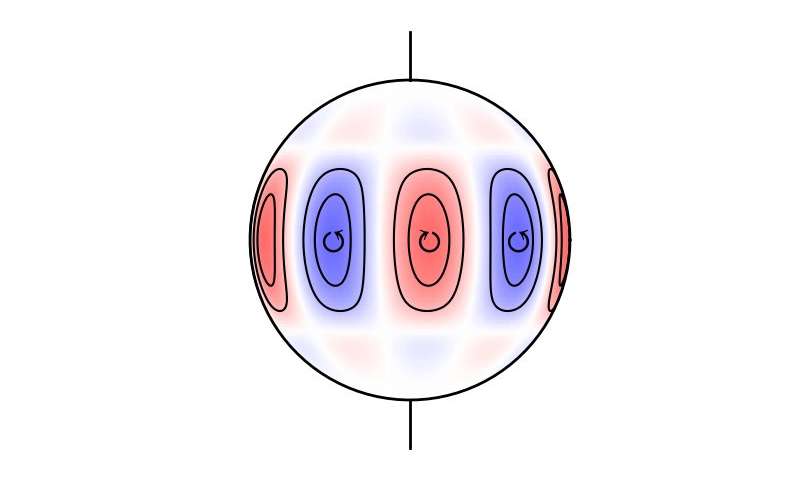
A team of scientists led by the Max Planck Institute for Solar System Research (MPS) and the University of Göttingen has discovered new waves of vorticity on the Sun. As described in today's issue of Nature Astronomy, these Rossby...
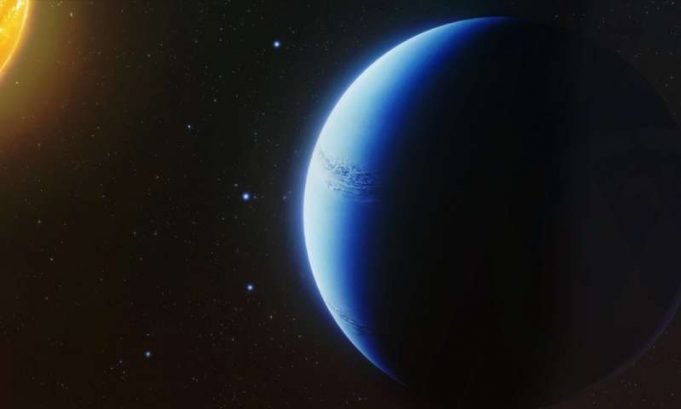
Scientists have detected an exoplanet atmosphere that is free of clouds, marking a pivotal breakthrough in the quest for greater understanding of the planets beyond our solar system.
An international team of astronomers, led by Dr Nikolay Nikolov from the...
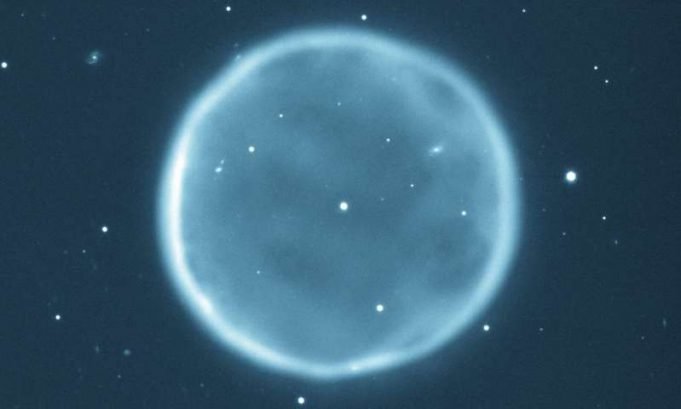
Scientists agree the sun will die in approximately 10 billion years, but they weren't sure what would happen next... until now.
A team of international astronomers, including Professor Albert Zijlstra from the University of Manchester, predict it will turn into...

A University of Oklahoma astrophysics team explains why the growth of Mars was stunted by an orbital instability among the outer solar system's giant planets in a new study on the evolution of the young solar system. The OU...

Astronomers using the NASA/ESA Hubble Space Telescope have detected helium in the atmosphere of the exoplanet WASP-107b. This is the first time this element has been detected in the atmosphere of a planet outside the Solar System. The discovery...
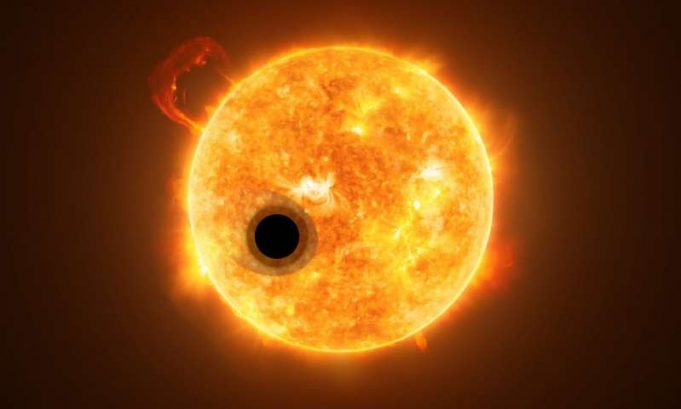
Astronomers have detected helium in the atmosphere of a planet that orbits a star far beyond our solar system for the very first time.
An international team of researchers, led by Jessica Spake from the University of Exeter, discovered evidence...
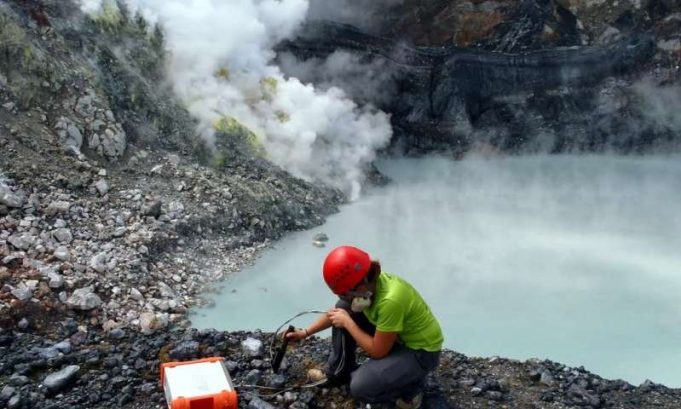
Researchers at the University of Colorado Boulder have discovered microbes living in a toxic volcanic lake that may rank as one of the harshest environments on Earth. Their findings, published recently online, could guide scientists looking for signs of...
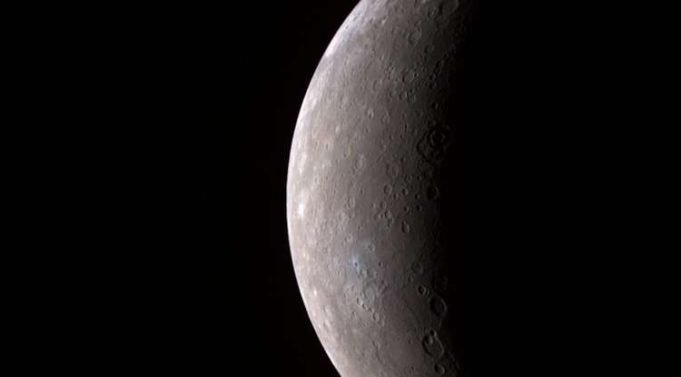
Mercury is small, fast and close to the sun, making the rocky world challenging to visit. Only one probe has ever orbited the planet and collected enough data to tell scientists about the chemistry and landscape of Mercury's surface....

For the first time, astronomers have witnessed the birth of a colossal cluster of galaxies. Their observations reveal at least 14 galaxies packed into an area only four times the diameter of the Milky Way's galactic disk. Computer simulations...
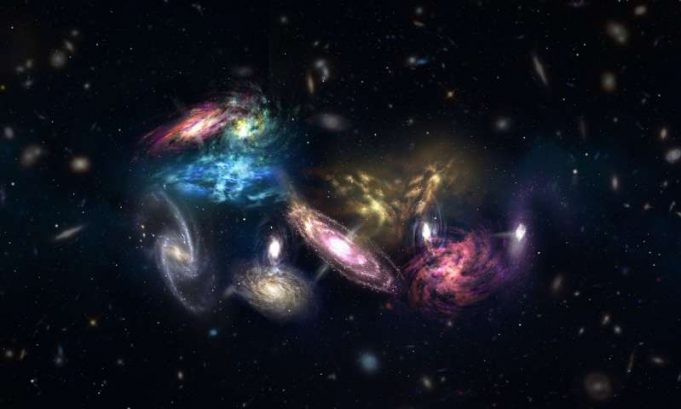
Peering deep into space—an astounding 90 percent of the way across the observable universe—astronomers have witnessed the beginnings of a gargantuan cosmic pileup, the impending collision of 14 young, starbursting galaxies.
This ancient megamerger is destined to evolve into one...

About 200 to 400 million years after the Big Bang created the universe, the first stars began to appear. Ordinarily stars lying at such a great distance in space and time would be out of reach even for NASA's...


