




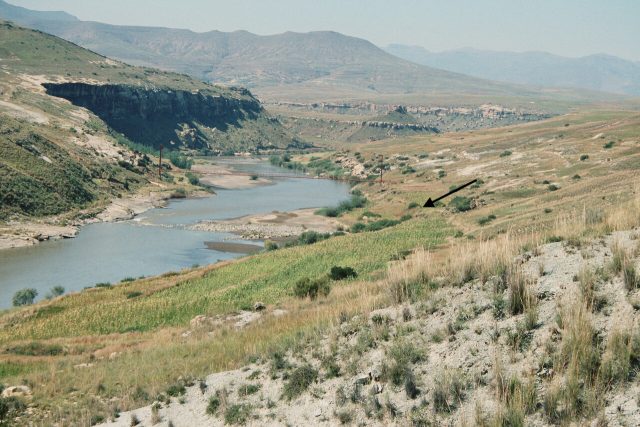
After analysing organic residues from ancient pots, a team of scientists led by the University of Bristol has uncovered new evidence of dairying by hunter-gatherers in the landlocked South African country of Lesotho in the mid-late first millennium AD.
The...

Many have claimed the Justinianic Plague (c. 541-750 CE) killed half of the population of Roman Empire. Now, historical research and mathematical modeling challenge the death rate and severity of this first plague pandemic.
Researchers Lauren White, Ph.D. and Lee...

A study has tracked the shift from hunter-gatherer lifestyles to early farming that occurred in prehistoric Europe over a period of around 1,500 years.
An international team of scientists, led by researchers at the University of York, analysed the molecular...
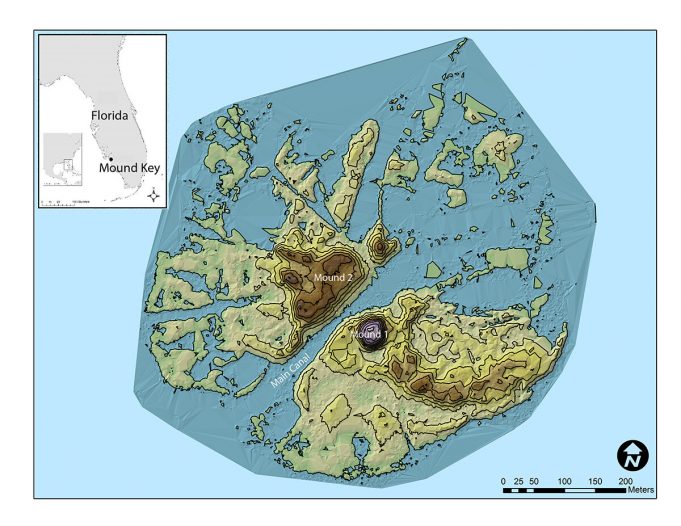
Florida and Georgia archaeologists have discovered the location of Fort San Antón de Carlos, home of one of the first Jesuit missions in North America. The Spanish fort was built in 1566 in the capital of the Calusa, the...
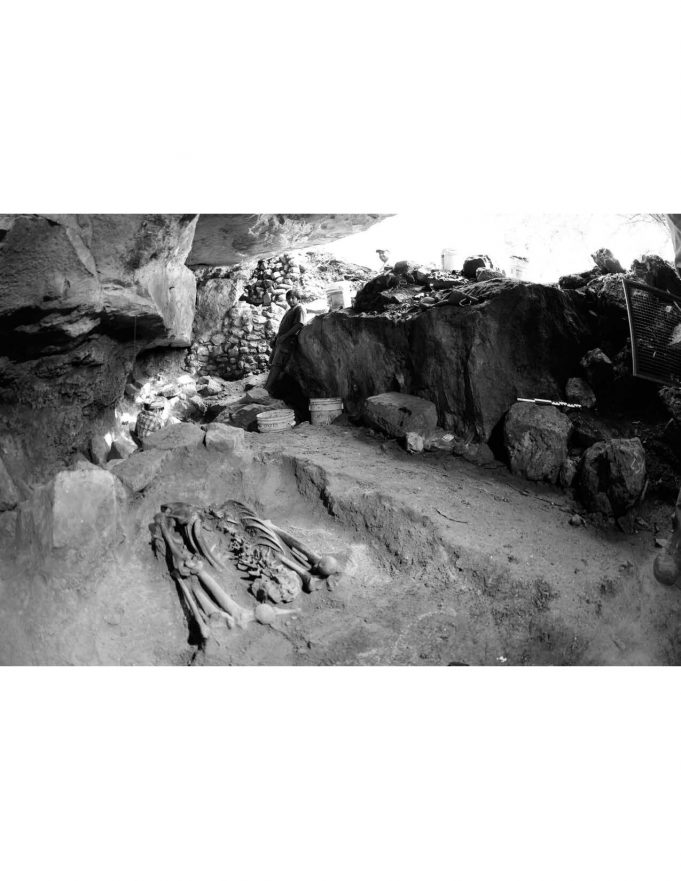
Sacrificial rituals featuring human heart extraction were a prevalent religious practice throughout ancient Mesoamerican societies. Intended as a means of appeasing and honoring certain deities, sacrifices served as acts of power and intimidation as well as demonstrations of devotion...

When the ancestors of modern humans left Africa 50,000 years ago they met the Neandertals. In this encounter, the Neandertal population contributed around two percent of the genome to present day non-African populations. A collaboration of scientists from Aarhus...
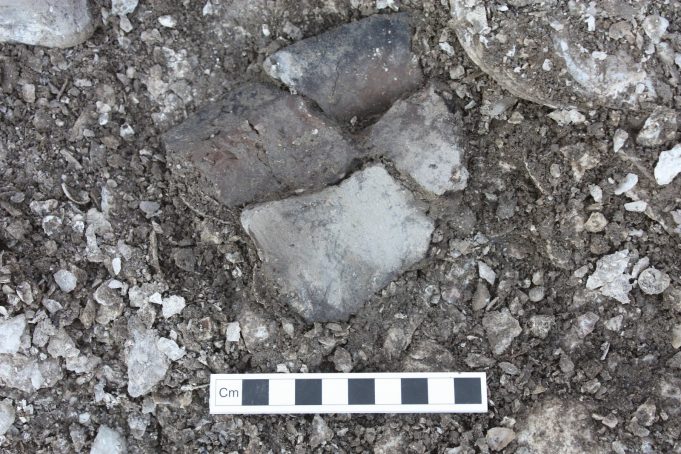
Hunter-gatherer groups living in the Baltic between seven and a half and six thousand years ago had culturally distinct cuisines, analysis of ancient pottery fragments has revealed.
An international team of researchers analysed over 500 hunter-gatherer vessels from 61 archaeological sites throughout...
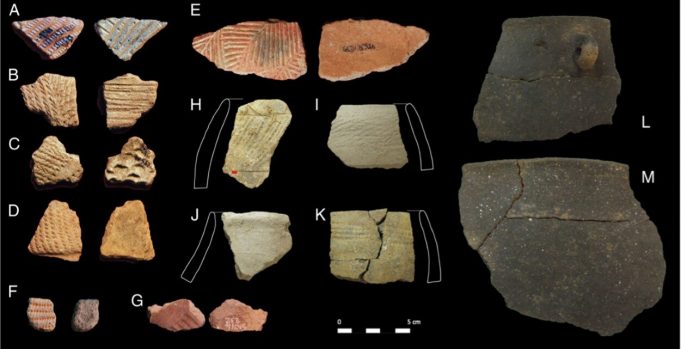
A team of scientists, led by the University of Bristol, with colleagues from the University of Florida, provide the first evidence for diet and subsistence practices of ancient East African pastoralists.
The development of pastoralism is known to have transformed...
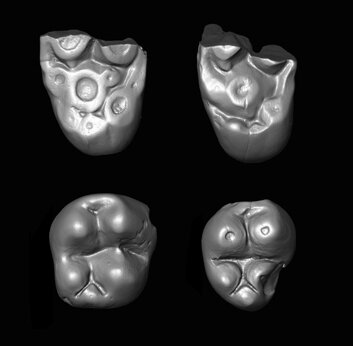
Four fossilized monkey teeth discovered deep in the Peruvian Amazon provide new evidence that more than one group of ancient primates journeyed across the Atlantic Ocean from Africa, according to new USC research just published in the journal Science.
The teeth...

A team at the University of Bristol has developed a new method of dating pottery which is allowing archaeologists to date prehistoric finds from across the world with remarkable accuracy.
The exciting new method, reported in detail today in the...
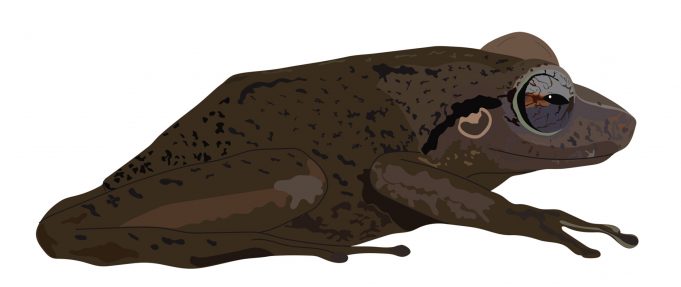
The bright chirp of the coquí frog, the national symbol of Puerto Rico, has likely resounded through Caribbean forests for at least 29 million years.
A new study published in Biology Letters describes a fragmented arm bone from a frog in the...


