





Poaching and habitat loss have reduced forest elephant populations in Central Africa by 63 percent since 2001. This widespread killing poses dire consequences not only for the species itself but also for the region's forests, a new Duke University...
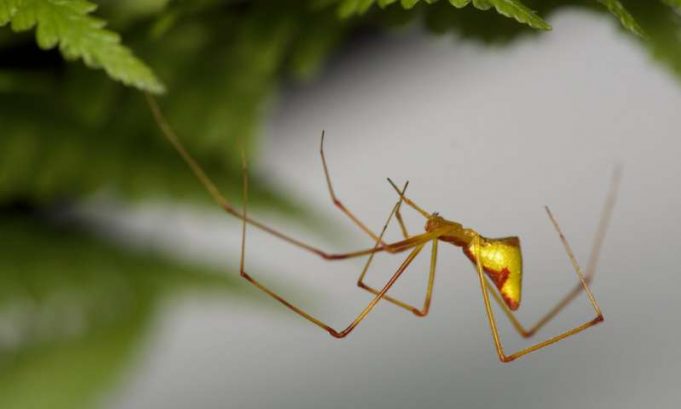
About 2 to 3 million years ago, a group of spiders let out long silk threads into the wind and set sail, so to speak, across the Pacific Ocean to Hawaii. These spiders were parasites of other spiders, invading...

University of California, Irvine scientists expect the world's fisheries to be, on average, 20 percent less productive in the year 2300, with those in the North Atlantic down nearly 60 percent and those in much of the western Pacific...

A study led by recent SFU PhD alumnus Kyle Artelle has unveiled new findings that challenge the widespread assumption that wildlife management in North America is science-based. He conducted the study with SFU researchers John Reynolds and Jessica Walsh,...

Accepted ecological theory says that poor soils limit the productivity of tropical forests, but adding nutrients as fertilizer rarely increases tree growth, suggesting that productivity is not limited by nutrients after all. Researchers at the Smithsonian Tropical Research Institute...

Scientists at the University of York have shown that the way we speak to our canine friends is important in relationship-building between pet and owner, similar to the way that 'baby-talk' is to bonding between a baby and an...

Agriculture already monopolizes 90 percent of global freshwater -- yet production still needs to dramatically increase to feed and fuel this century's growing population. For the first time, scientists have improved how a crop uses water by 25 percent...

You've probably heard about poop pills, the latest way for humans to get benevolent bacteria into their guts. But it seems that a group of ants may have been the original poop pill pioneers -- 46 million years ago.
A...
Cooperative behaviour to acquire food resources has been observed in hunting carnivores and web-building social spiders. Now researchers have found comparable behaviours in a fish species. A tiny striped fish called Neolamprologus obscurus only found in Lake Tanganyika in...

A new study has confirmed that the world's last breeding population of leopards in Cambodia is at immediate risk of extinction, having declined an astonishing 72% during a five-year period. The population represents the last remaining leopards in all...
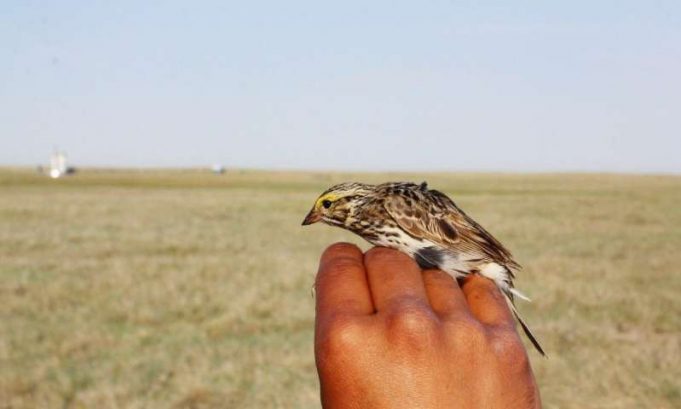
Some good news: songbirds living near oil and gas fields in Canada's prairies are indeed able to understand each other over the clamour of machines, an international research team reports.
Back in January 2018, University of Manitoba researchers reported that...


