





Tropical oceans teem with the dazzle and flash of colorful reef fishes and contain far more species than the cold ocean waters found at high latitudes. This well-known "latitudinal diversity gradient" is one of the most famous patterns in...
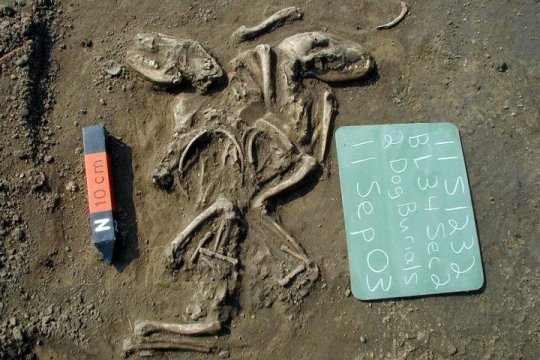
A study reported in the journal Science offers an enhanced view of the origins and ultimate fate of the first dogs in the Americas. The dogs were not domesticated North American wolves, as some have speculated, but likely followed...

The aerodynamic capabilities of spiders have intrigued scientists for hundreds of years. Charles Darwin himself mused over how hundreds of the creatures managed to alight on the Beagle on a calm day out at sea and later take-off from...

Months after the death of Sudan, the world's last male northern white rhino, scientists said Wednesday they have grown embryos containing DNA of his kind, hoping to save the subspecies from extinction.
With only two northern white rhino (NWR) known...

In August 2016, the first large cruise ship traveled through the Northwest Passage, the northern waterway linking the Atlantic and Pacific oceans. The following year, the first ship without an icebreaker plied the Northern Sea Route, a path along...
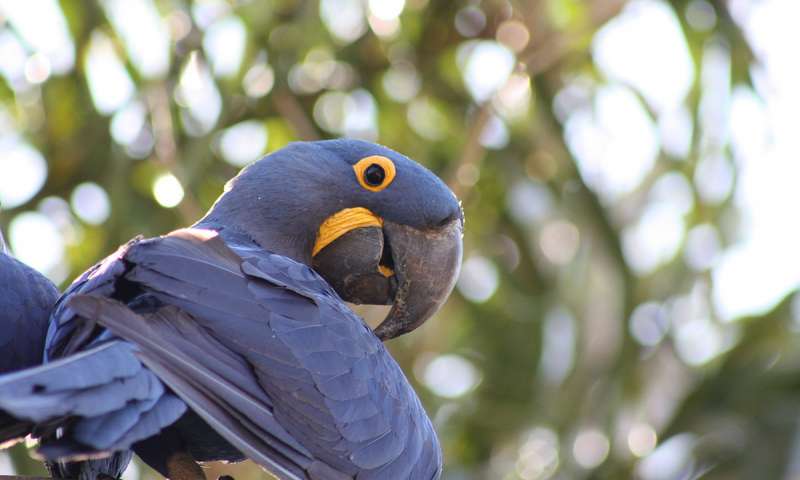
University of Alberta neuroscientists have identified the neural circuit that may underlay intelligence in birds, according to a new study. The discovery is an example of convergent evolution between the brains of birds and primates, with the potential to...

The evolution of Earth's first animals more than 500 million years ago caused global warming, new research shows.
Some 520-540 million years ago, animal life evolved in the ocean and began breaking down organic material on the seafloor, leading to...

Female seals don't change their spots, according to a new study by University of Alberta biologists. In fact, individual differences in boldness remain consistent over time.
The study is among the first to examine boldness in wild marine mammals in...
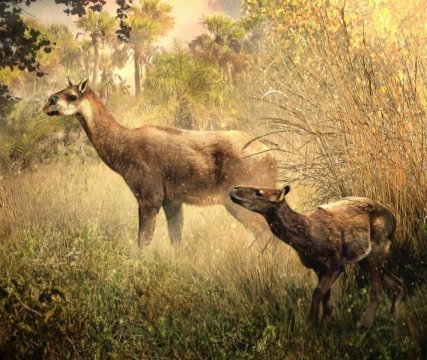
Researchers at Case Western Reserve University and two other universities have discovered the 13-million-year-old fossils of a pair of new species of extinct hoofed mammals known as "litopterns" from a site in Bolivia.
The animals, which look similar to small...
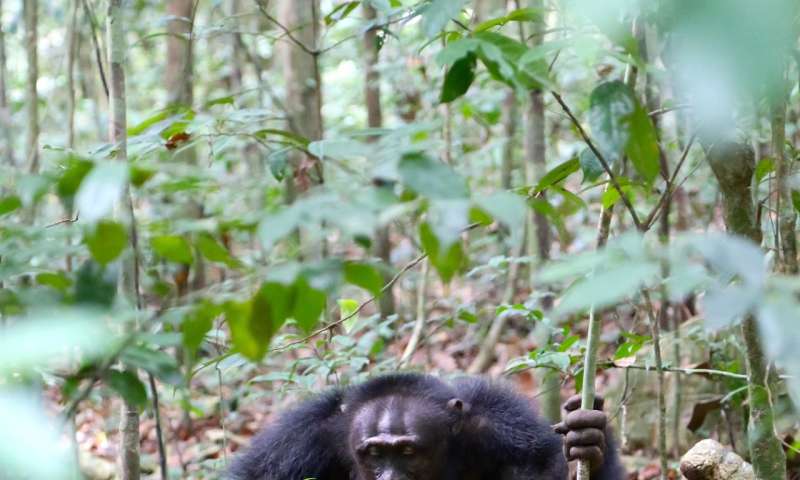
Similar to humans, non-human primates combine gestures, facial expressions, and vocalizations in various ways to communicate effectively. Researchers of the Max Planck Institute for Evolutionary Anthropology investigated one such signal, the 'leaf clip' gesture, which re-emerged in a wild...

Scientists published the first hearing tests on a wild population of healthy marine mammals. The tests on beluga whales in Bristol Bay, Alaska, revealed that the whales have sensitive hearing abilities and the number of animals that experienced extensive...


