


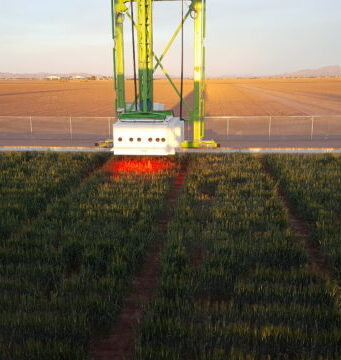


Place cells in the hippocampus fire when we are in a certain position -- this discovery by John O'Keefe, May-Britt Moser and Edvard Moser brought them the Nobel Prize in Medicine in 2014. Based on which place cell fires,...
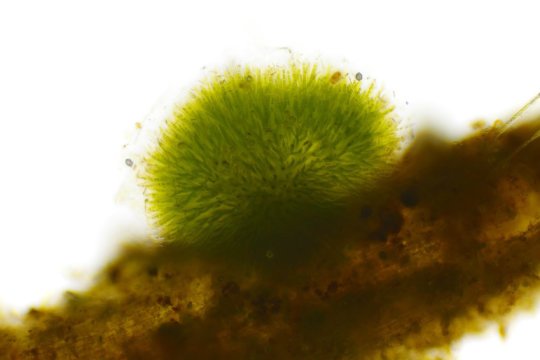
Microbes could have performed oxygen-producing photosynthesis at least one billion years earlier in the history of the Earth than previously thought.
The finding could change ideas of how and when complex life evolved on Earth, and how likely it is...
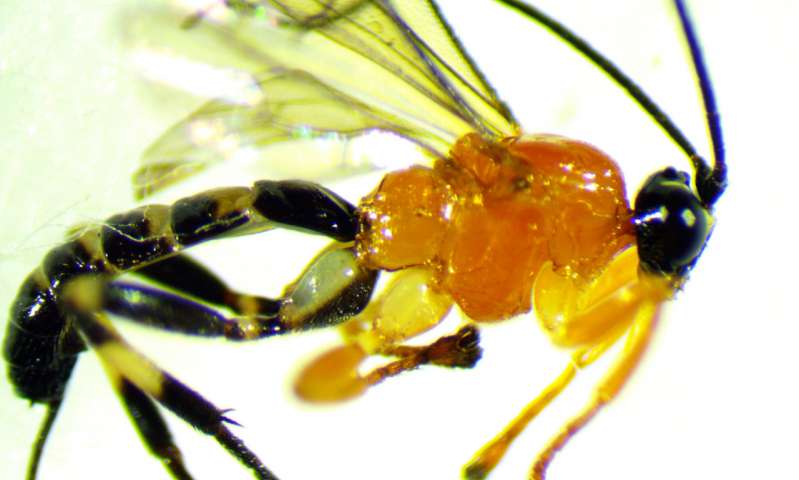
It sounds like the plot of the world's tiniest horror movie: deep in the Ecuadorian Amazon, a newly discovered species of wasp transforms a "social" spider into a zombie-like drone that abandons its colony to do the wasp's bidding.
That's...
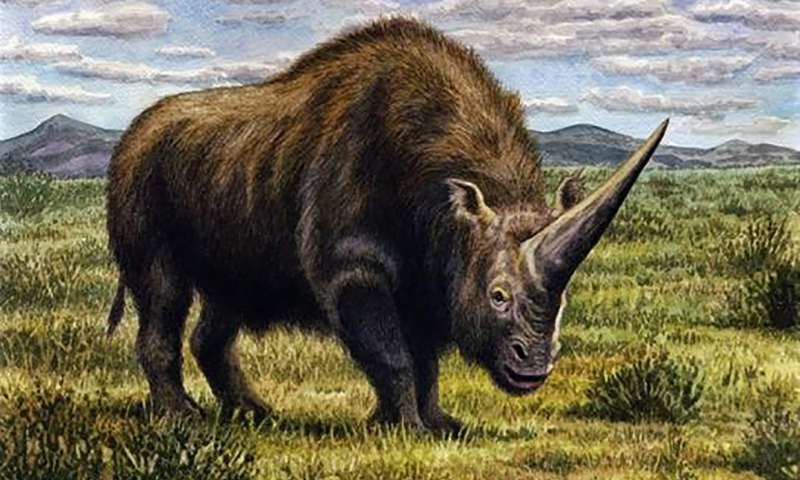
New research has shed light on the origin and extinction of a giant, shaggy Ice Age rhinoceros known as the Siberian unicorn because of its extraordinary single horn.
An international team of researchers from Adelaide, Sydney, London, the Netherlands, and...
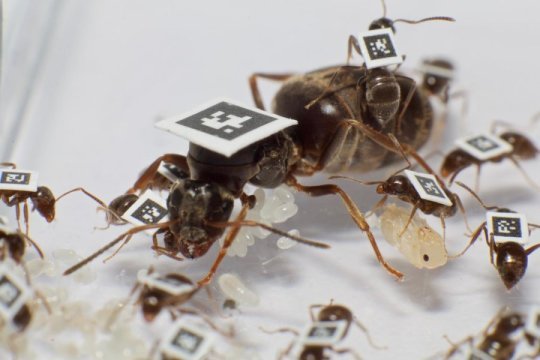
When a pathogen enters their colony, ants change their behavior to avoid the outbreak of disease. In this way, they protect the queen, brood and young workers from becoming ill. These results, from a study carried out in collaboration...
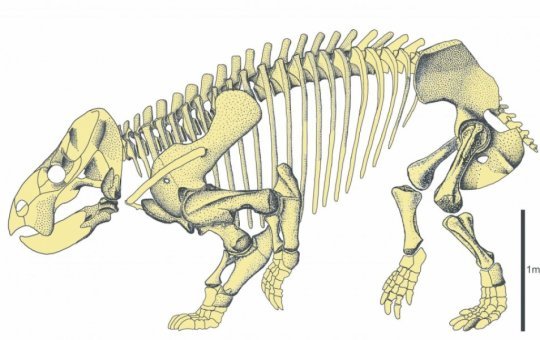
During the Triassic period (252-201 million years ago) mammal-like reptiles called therapsids co-existed with ancestors to dinosaurs, crocodiles, mammals, pterosaurs, turtles, frogs, and lizards. One group of therapsids are the dicynodonts. Researchers at Uppsala University in Sweden, together with...
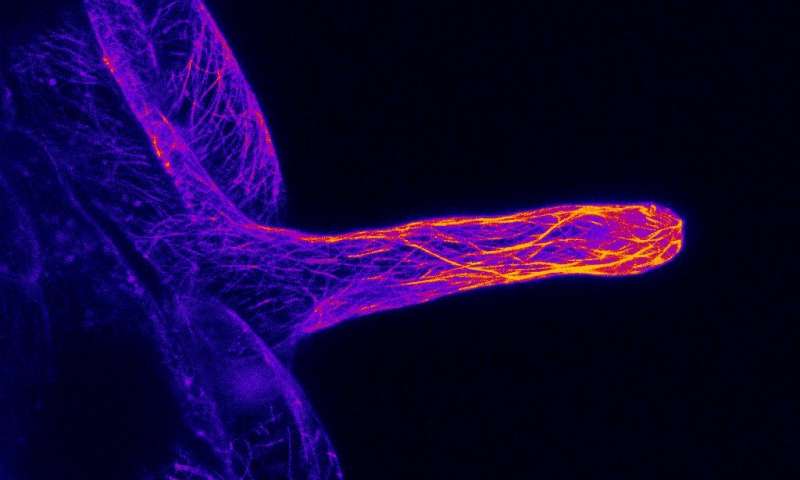
A group of international researchers has discovered how plant root hair grows straight and long. Many studies of root hair growth have been performed, but the molecular mechanism for the suppression of growth on the sides of root hair...

These days, mammals can use their forelimbs to swim, jump, fly, climb, dig and just about everything in between, but the question of how all that diversity evolved has remained a vexing one for scientists.
To help answer it, Harvard...

Research at the Earlham Institute into one of the 'genetic orchestra conductors', microRNAs, sheds light on our selectively guided evolution of domestic pets and farmyard animals such as dogs and cows.
What does a cow, a horse, a pig, a...

Birds are the surviving descendants of predatory dinosaurs. However, since the likes of Tyrannosaurus and Velociraptor, some parts of their anatomy have become radically transformed. The skull, for instance, is now toothless, and accommodates much larger eyes and brain....

Researchers reporting in Current Biology on November 19 have found that a vast array of regularly spaced, still-inhabited termite mounds in northeastern Brazil—covering an area the size of Great Britain—are up to about 4,000 years old.
The mounds, which are...


