



One of the last remaining megaherbivores, forest elephants shape their environment by serving as seed dispersers and forest bulldozers as they eat over a hundred species of fruit, trample bushes, knock over trees and create trails and clearings. Their...
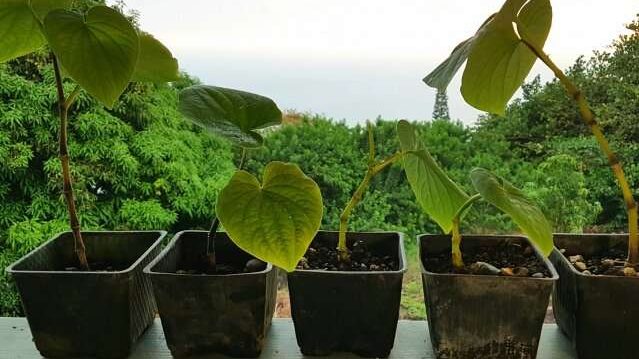
Kava (Piper methysticum) is a plant native to the Polynesian islands that people there have used in a calming drink of the same name in religious and cultural rituals for thousands of years. The tradition of cultivating kava and...
University of Cape Town (UCT) researchers have collected clear evidence—over a 23 year period between 1976 and 1999—that climate change is shrinking animals' body sizes.
Associate Professor Res Altwegg and Dr. Birgit Erni from the Department of Statistical Sciences, together...
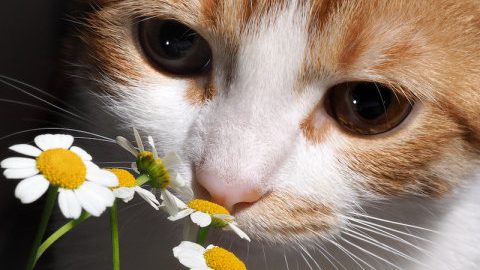
The world is filled with millions upon millions of distinct smells, but how mammals' brains evolved to tell them apart is something of a mystery.
Now, two neuroscientists from the Salk Institute and UC San Diego have discovered that at...
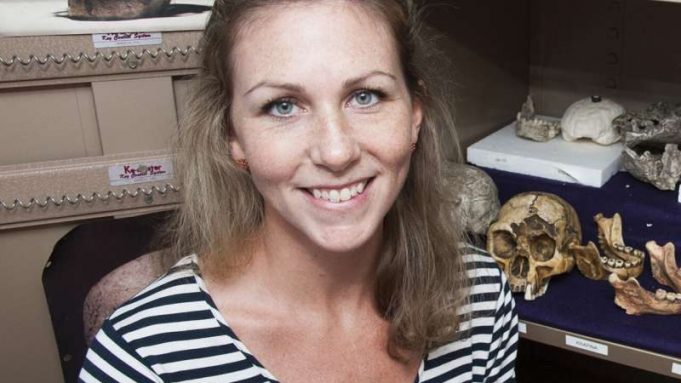
As a researcher and teacher, Holly Dunsworth enjoys poking holes in misconceptions about human evolution her students bring into the classroom.
This time, Dunsworth is targeting a recurring popular evolutionary analogy that compares human races with dog breeds, one that may sound innocent...
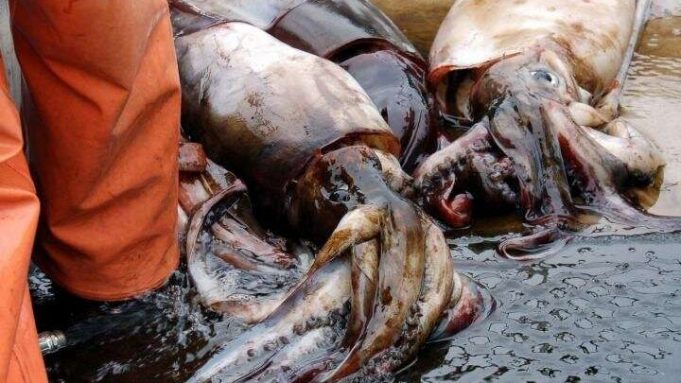
The culprit responsible for the decline of Mexico's once lucrative jumbo squid fishery has remained a mystery, until now. A new Stanford-led study published in the ICES Journal of Marine Science identifies shifting weather patterns and ocean conditions as among the...
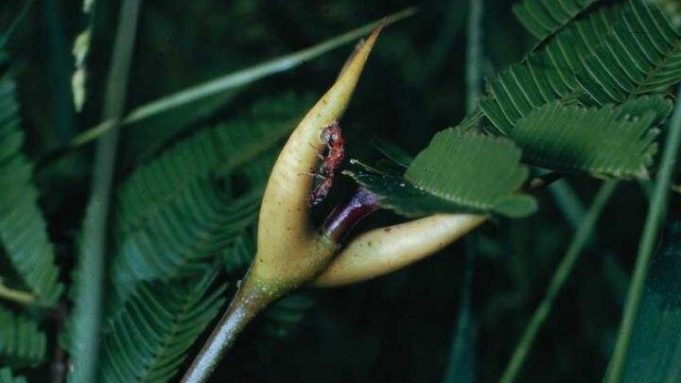
In the 1960s, Penn biologist Dan Janzen, as part of earning his Ph.D., re-described what has become a classic example of biological mutualism: the obligate relationship between acacia-ants and ant-acacia trees. The acacia trees produce specialized structures to shelter...
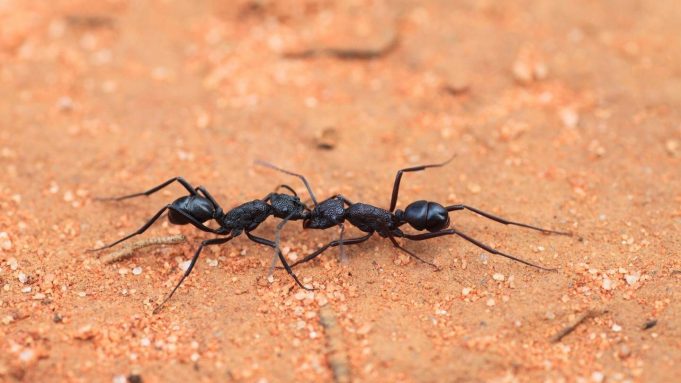
Researchers studied ants in the Simpson Desert for 22 years and found that local changes in climate, such as long-term increases in rainfall, combined with human efforts to restore ecosystems, may have led to increased numbers of species—rather than...
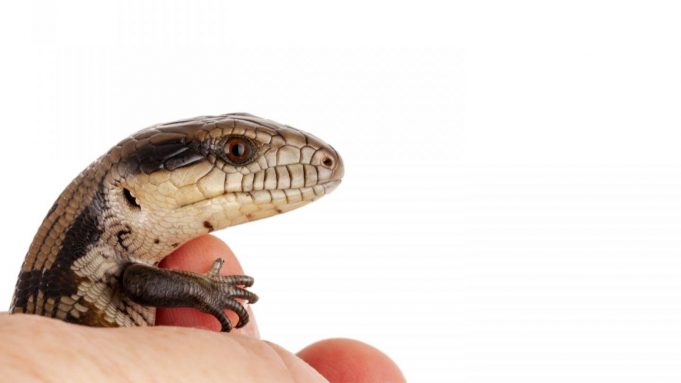
Young Australian eastern blue-tongue lizards (Tiliqua scincoides) are every bit as clever as adults, researchers have found.
Life is hard for baby blue-tongues. As soon as they are born, they are on their own, with neither parental support nor protection....
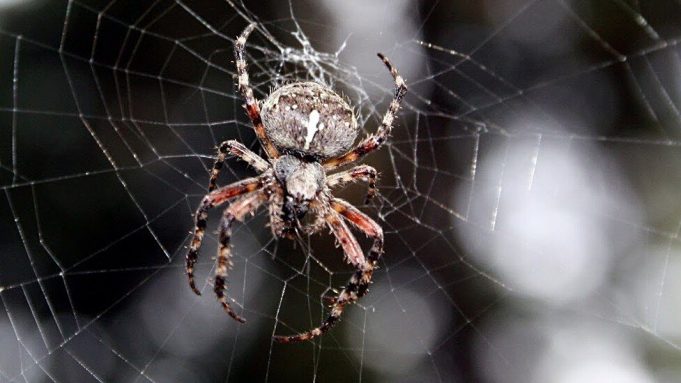
When that itsy-bitsy spider climbs up the spout, resist the urge to stomp it out—even if it makes your skin crawl.
The leggy bugs get an unfair reputation as being poisonous and creepy, when in fact most of them, particularly...

Plants that are under stress from drought can change the behavior of nearby fungi and bacteria, according to a new study led by Franciska de Vries, professor of Earth Surface Science at the University of Amsterdam. By changing the...


