




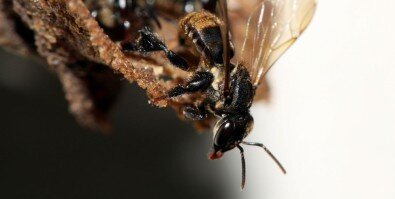
A study published in PLOS ONE shows that the larvae of the Brazilian stingless bee Scaptotrigona depilis depend on interactions between three different species of fungus to complete their development and reach adulthood.
The complex process of symbiosis was studied by Brazilian and US...
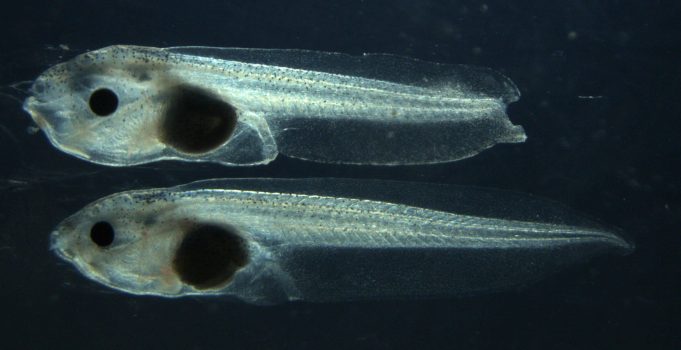
Tadpoles of frogs that can typically regrow amputated tails or limbs lost their ability to regenerate after researchers blocked the expression of a newly identified gene that is one of the drivers for this regrowth. Furthermore, scientists hypothesize that...
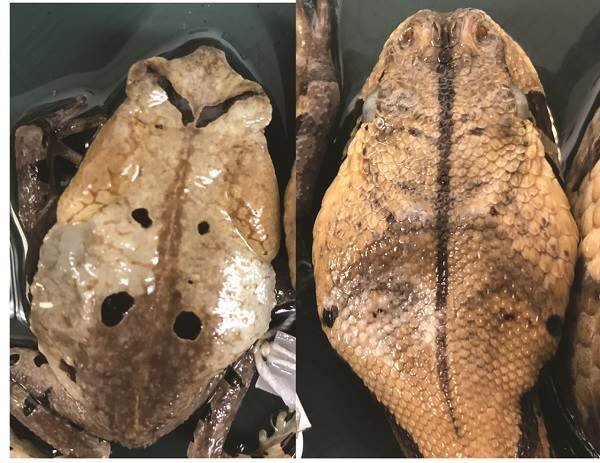
The first study of a toad mimicking a venomous snake reveals that it likely imitates one of Africa's largest vipers in both appearance and behavior, according to results published in the Journal of Natural History.
The Congolese giant toad, a triple...
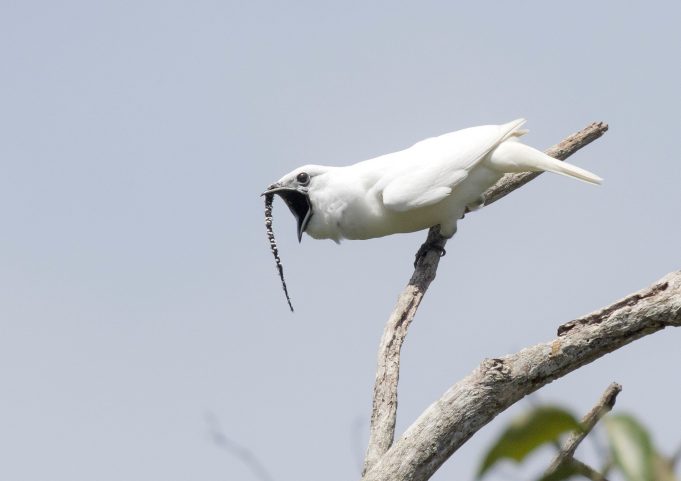
Biologist Jeff Podos at the University of Massachusetts Amherst, with Mario Cohn-Haft at the Instituto Nacional de Pesquisas da Amazônia, Brazil, report that they have recorded the loudest bird calls ever documented, made by dove-sized male white bellbirds as...

Researchers have discovered a previously unknown virus infecting nearly a third of America's bald eagle population.
Scientists at the University of Wisconsin-Madison, the U.S. Geological Survey National Wildlife Health Center and the Wisconsin Department of Natural Resources found the virus...

Caltech researchers have discovered rare brain cell types that are unique to male mice and other types that are unique to female mice. These sex-specific cells were found in a region of the brain that governs both aggression and...
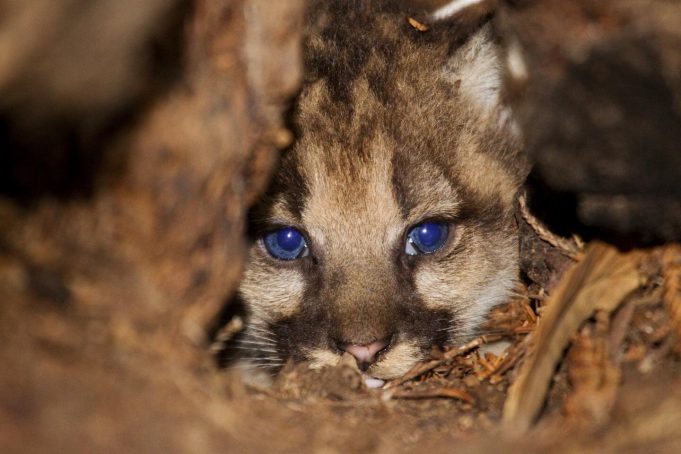
When students at the University of California, Santa Cruz (UCSC) found a dead mule deer on campus, they figured it had been killed by coyotes. Wildlife biologist Chris Wilmers rigged up a video camera to spy on the carcass...
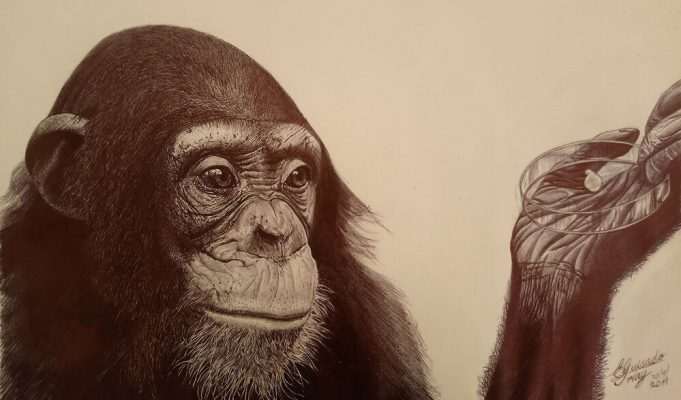
Researchers from the Max Planck Institute for Evolutionary Anthropology in Leipzig, Germany, Institute of Molecular and Clinical Ophthalmology Basel, and ETH Zurich, Switzerland, have presented new insights into the development of the human brain and differences in this process...
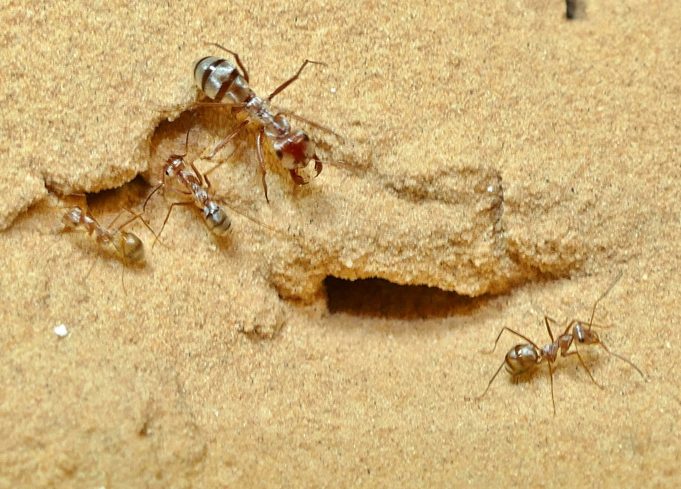
According to Noël Coward, mad dogs and Englishmen are the only creatures that go out in the midday sun, but Harald Wolf from the University of Ulm, Germany, would add another animal: Saharan silver ants (Cataglyphis bombycina). Venturing from...
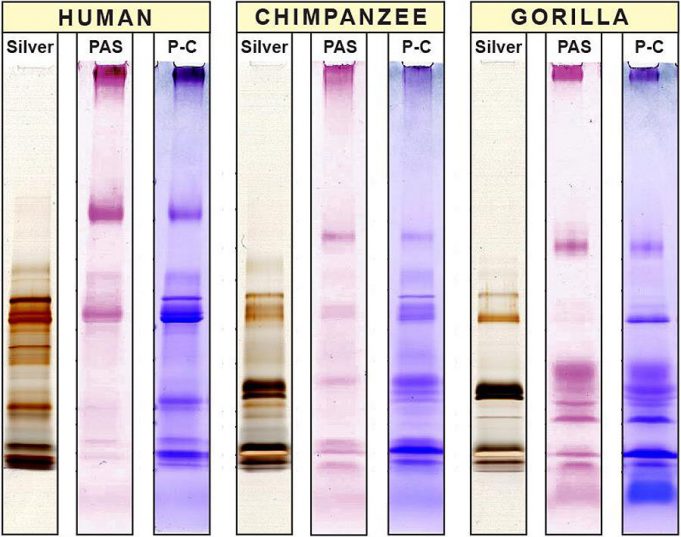
Two million years of eating meat and cooked food may have helped humans shift further from other great apes on the evolutionary tree. The evidence is in our saliva, according to new research from the University at Buffalo.
The research...
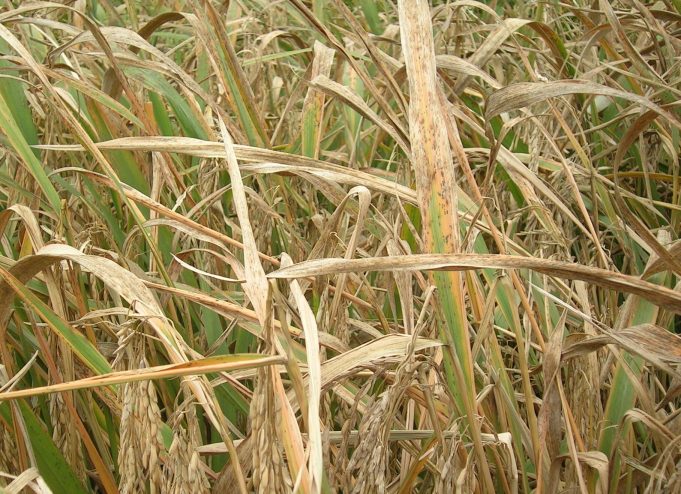
A secret weapon used by the killer rice blast fungus to infect host plants has been discovered in new research.
Rice blast is the most serious disease of rice and is caused by the fungus Magnaporthe oryzae. Each year, blast disease claims enough rice...


