



Habitat loss, pesticide use and, surprisingly, artificial light are the three most serious threats endangering fireflies across the globe, raising the spectre of extinction for certain species and related impacts on biodiversity and ecotourism, according to a Tufts University-led...
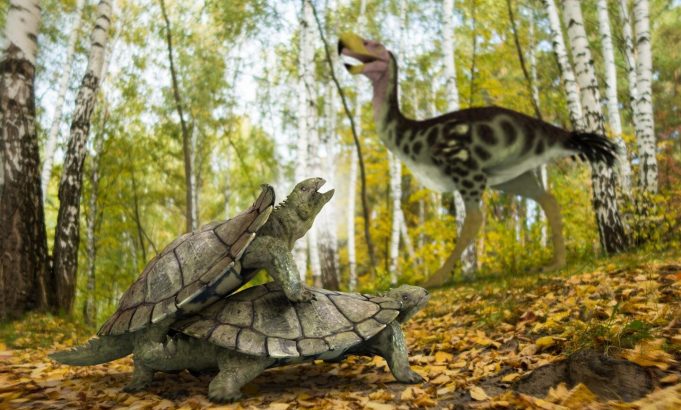
Sixty-six million years ago, in the emerged lands of Laurasia—now the northern hemisphere—a primitive land tortoise, measuring about 60 cm, managed to survive the event that killed the dinosaurs. It was the only one to do so in this...
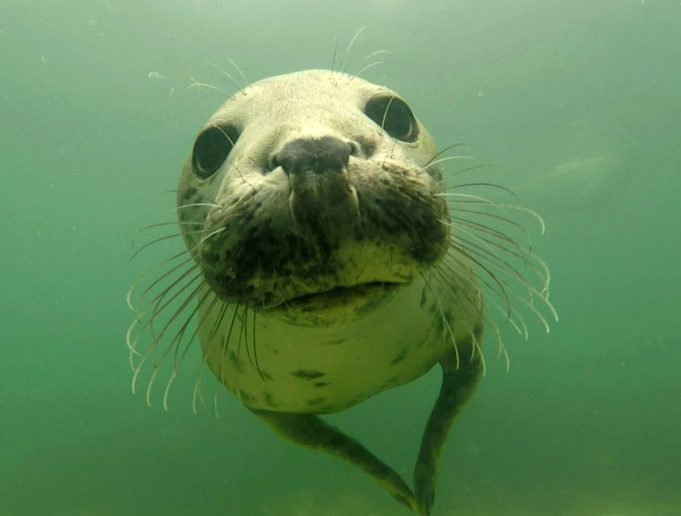
Marine mammals like whales and seals usually communicate vocally using calls and whistles.
But now a Monash University-led international study has discovered that wild grey seals can also clap their flippers underwater during the breeding season, as a show of strength...
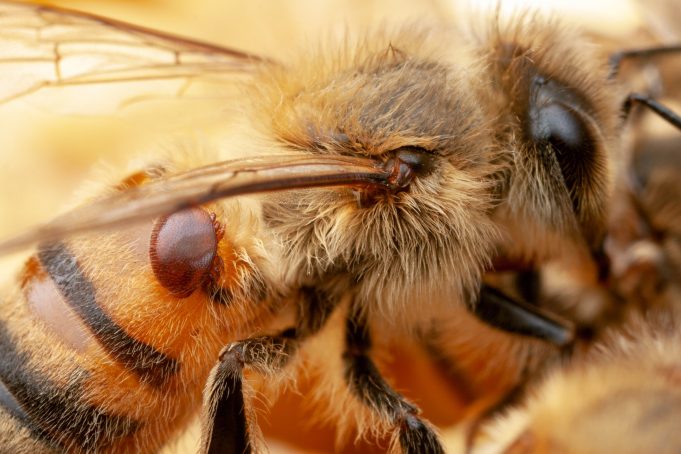
Scientists from The University of Texas at Austin report in the journal Science that they have developed a new strategy to protect honey bees from a deadly trend known as colony collapse: genetically engineered strains of bacteria.
An increasing number of honey...
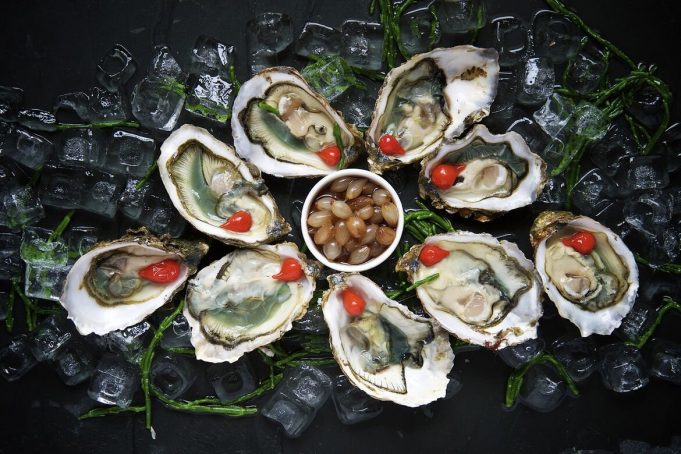
When it comes to carbon emissions, people tend to focus more on what happens in the atmosphere and on land. But about a quarter of carbon emissions dissolve into oceans, lowering the water's pH and causing ocean acidification.
That could...
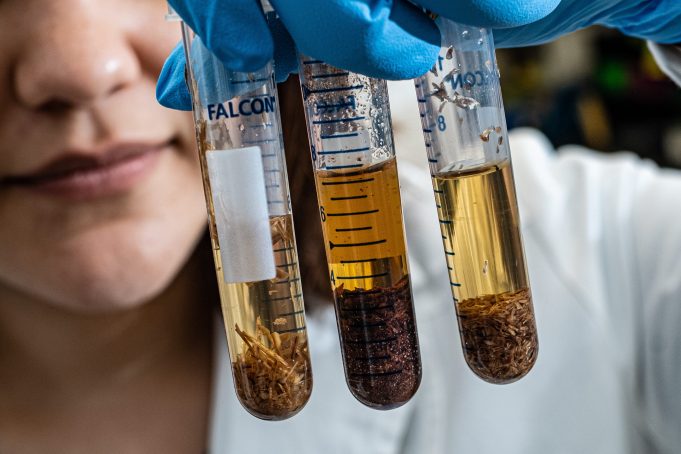
The next time you're thinking about whether to cook dinner or order a pizza for delivery, think of this: Plants have been doing pretty much the same thing for eons.
Researchers in Rice University's Systems, Synthetic and Physical Biology program...
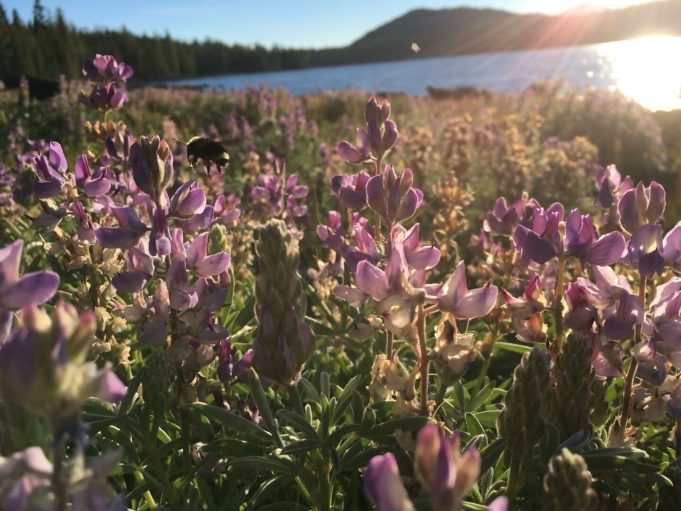
Many species of North American bumble bees have seen significant declines in recent decades. Bumble bees are essential pollinators for both native and agricultural plants, and their ability to fly in colder temperatures make them especially important pollinators at...
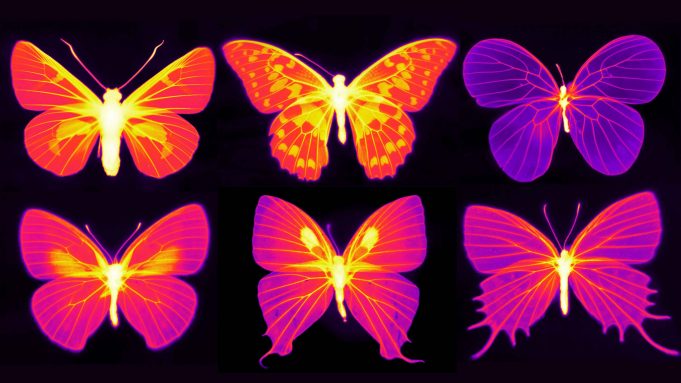
A new study from Columbia Engineering and Harvard identified the critical physiological importance of suitable temperatures for butterfly wings to function properly, and discovered that the insects exquisitely regulate their wing temperatures through both structural and behavioral adaptations.
Contrary to...
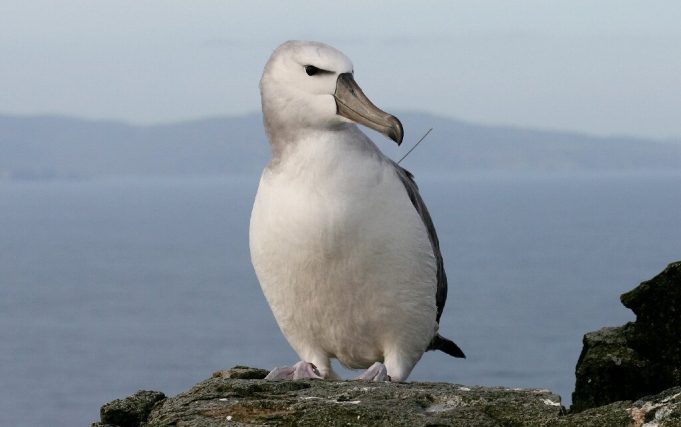
For the magnificent but maligned albatross, it was time for a little payback after centuries of insult and injury.
Snagged by longlines, tangled in nets, shot at by sailors, and scorned by poets as lazy or a bad omen, the...
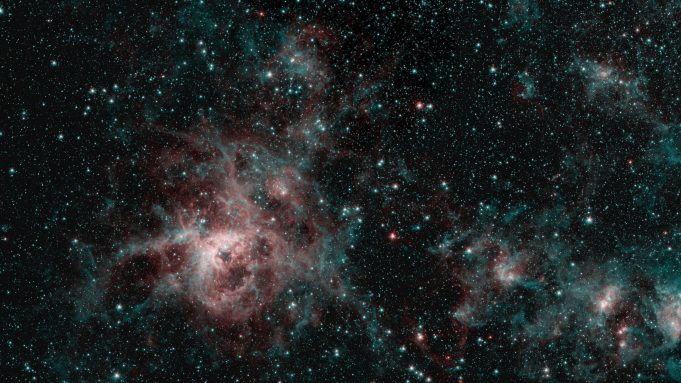
The Tarantula Nebula, seen in this image by the Spitzer Space Telescope, was one of the first targets studied by the infrared observatory after its launch in 2003, and the telescope has revisited it many times since. Now that...
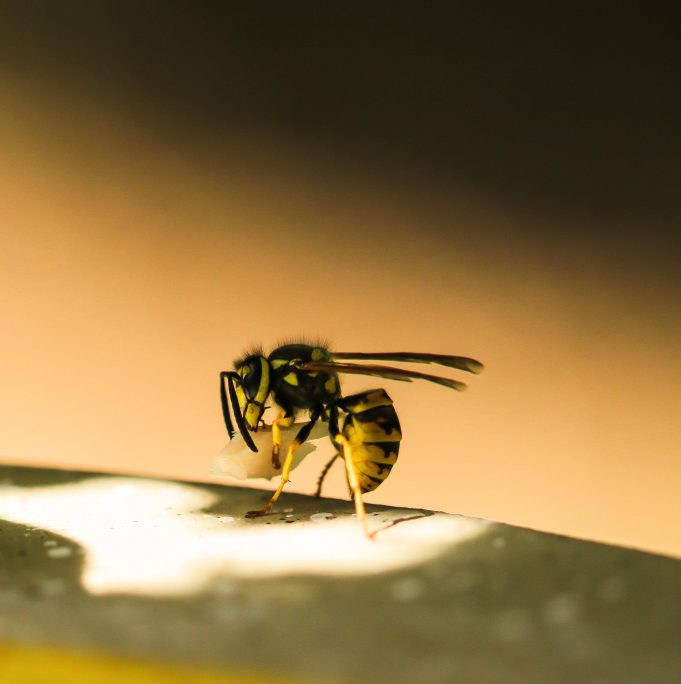
One wasp species has evolved the ability to recognize individual faces among their peers—something that most other insects cannot do—signaling an evolution in how they have learned to work together.
A team led by Cornell University researchers used population genomics...


