



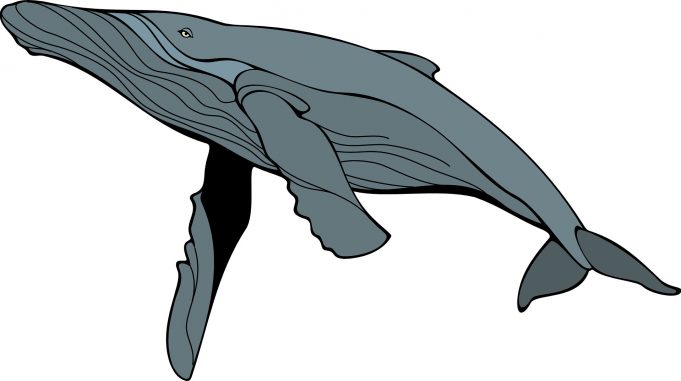
A new study reported in the journal Current Biology on February 24 offers some of the first evidence that gray whales might depend on a magnetic sense to find their way through the ocean. This evidence comes from the discovery that...
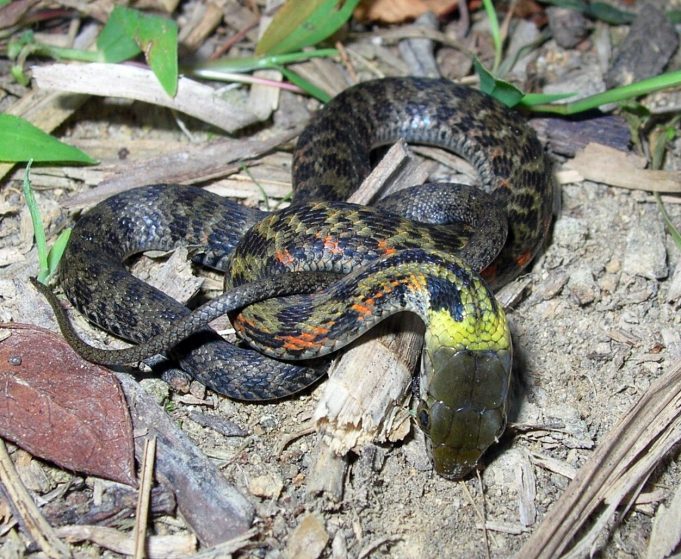
In the animal kingdom, survival essentially boils down to eat or be eaten. How organisms accomplish the former and avoid the latter reveals a clever array of defense mechanisms. Maybe you can outrun your prey. Perhaps you sport an...
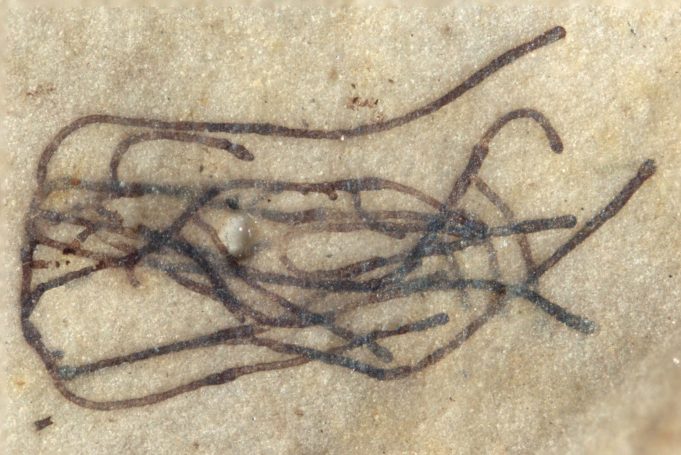
Virginia Tech paleontologists have made a remarkable discovery in China: 1 billion-year-old micro-fossils of green seaweeds that could be related to the ancestor of the earliest land plants and trees that first developed 450 million years ago.
The micro-fossil seaweeds—a form...
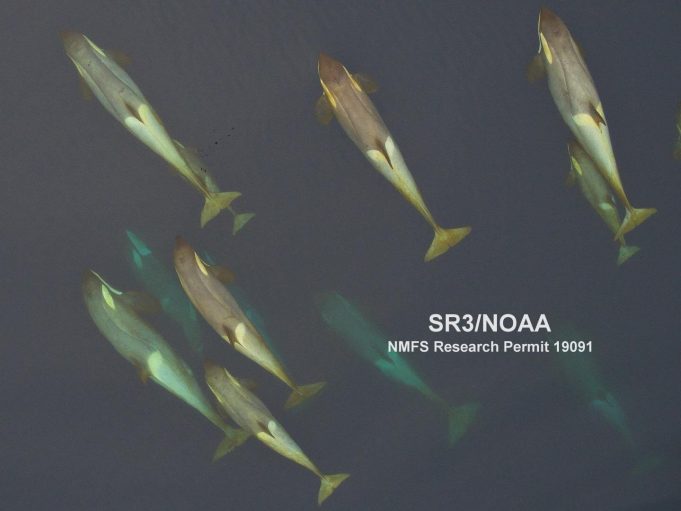
Whales undertake some of the longest migrations on earth, often swimming many thousands of miles, over many months, to breed in the tropics. The question is why—is it to find food, or to give birth?
In a research paper in Marine...
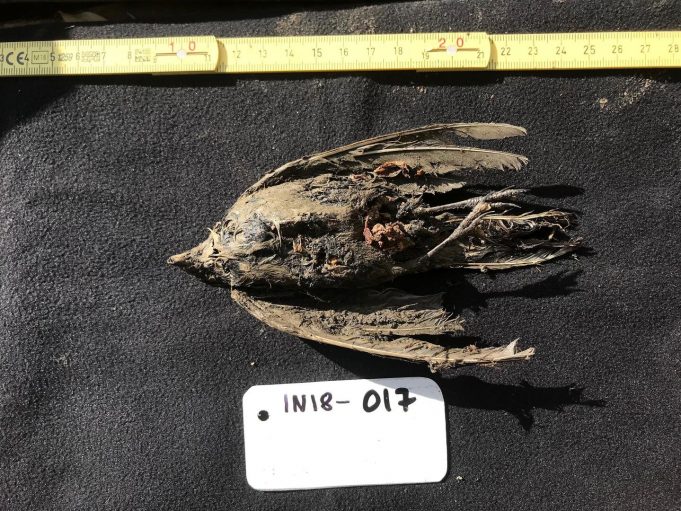
Scientists have recovered DNA from a well-preserved horned lark found in Siberian permafrost. The results can contribute to explaining the evolution of sub species, as well as how the mammoth steppe transformed into tundra, forest and steppe biomes at...
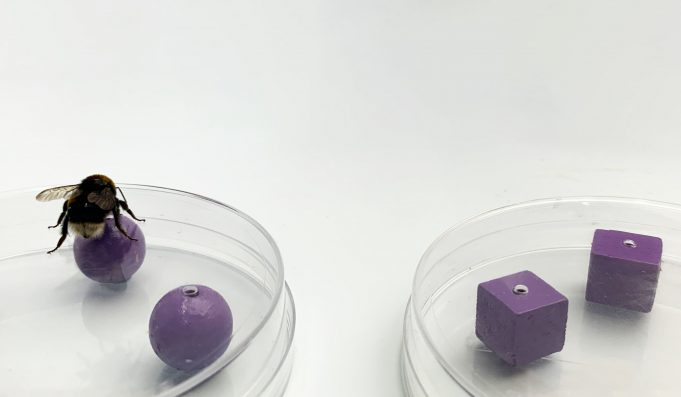
How are we able to find things in the dark? And how can we imagine how something feels just by looking at it?
It is because our brain is able to store information in such a way that it can...
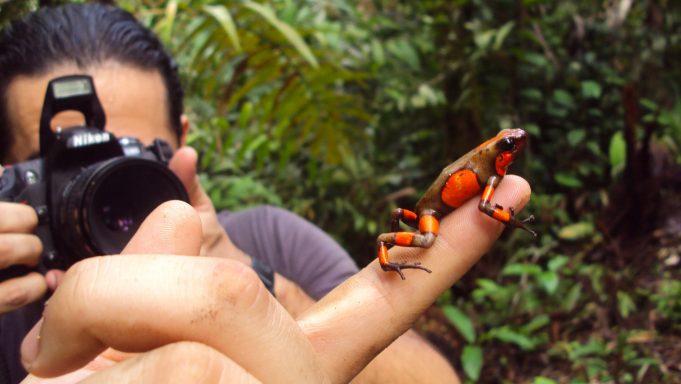
The origin of an understudied hybrid population of poisonous frogs—highly endangered colorful animals that live deep in the Colombian jungle—is the result of natural breeding and not caused by wildlife traffickers moving them, a University of Saskatchewan (USask) study...
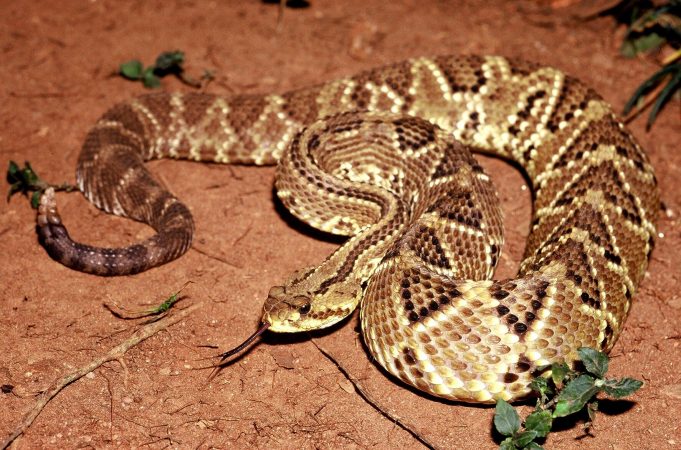
Crotoxin, extracted from the venom of the South American rattlesnake Crotalus durissus terrificus, has been studied for almost a century for its analgesic, anti-inflammatory and antitumor activities and as an even more powerful muscle paralyzer than botulinum toxin. However,...
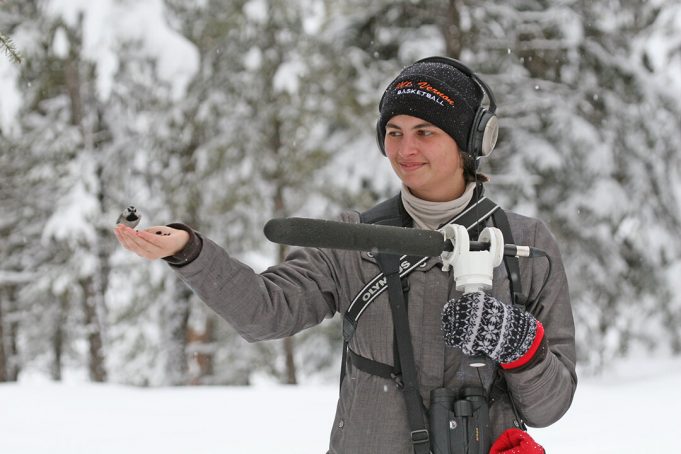
Every social network has its fake news. And in animal communication networks, even birds discern the trustworthiness of their neighbors, a study from the University of Montana suggests.
The study, recently published in the top science journal Nature, is the culmination...
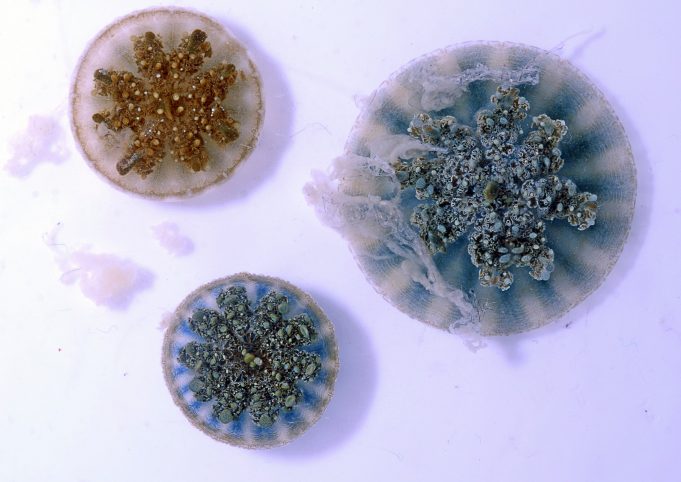
In warm coastal waters around the world, swimmers can often spot large groups of jellyfish pulsing rhythmically on the seafloor. Unless properly prepared with protective clothing, it is best to steer clear of areas that Cassiopea, or upside-down jellyfish inhabit:...

A new study by scientists from the University of Bristol's School of Earth Sciences, shows a well-known group of extinct marine reptiles had an early burst in their diversity and evolution—but that a failure to adapt in the long-run...


