

science

Running an LED in reverse could cool future computers

In a finding that runs counter to a common assumption in physics, researchers at the University of Michigan ran a light emitting diode (LED)...
Newly isolated human gut bacterium reveals possible connection to depression

Research team studies the compelling connection between one of NIH's "most wanted" bacteria and mental health.
Researchers have established a correlation between depression and a...
Newly discovered turtle species is facing extinction
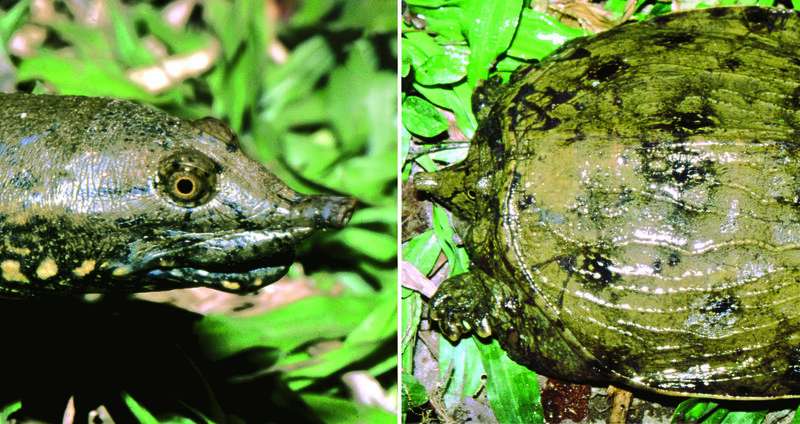
For decades, it has been assumed that the Chinese Softshell Turtles from East Asia all belonged to one and the same species, Pelodiscus sinensis....
Turning desalination waste into a useful resource

The rapidly growing desalination industry produces water for drinking and for agriculture in the world's arid coastal regions. But it leaves behind as a...
New study finds ecosystem changes following loss of great white sharks

A new study has documented unexpected consequences following the decline of great white sharks from an area off South Africa. The study found that...
Undersea gases could superheat the planet

The world's oceans could harbor an unpleasant surprise for global warming, based on new research that shows how naturally occurring carbon gases trapped in...
Giant ‘megalodon’ shark extinct earlier than previously thought

Megalodon—a giant predatory shark that has inspired numerous documentaries, books and blockbuster movies—likely went extinct at least one million years earlier than previously thought,...
Climate of North American cities will shift hundreds of miles in...
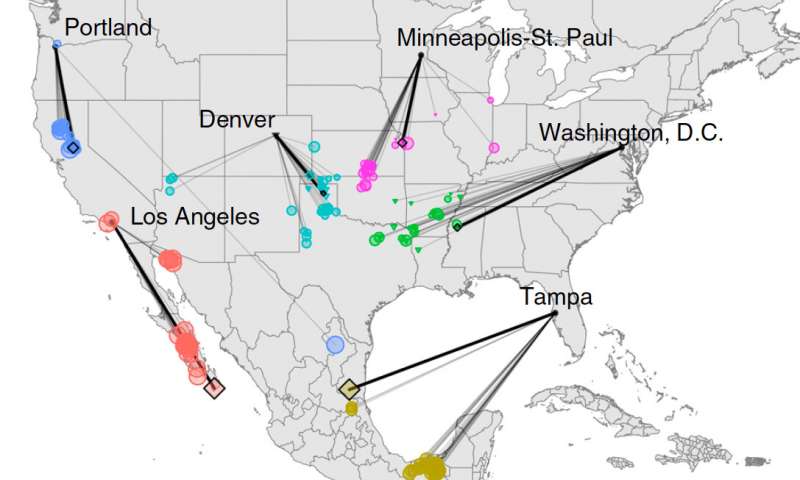
In one generation, the climate experienced in many North American cities is projected to change to that of locations hundreds of miles away—or to...
New tarantula species from Angola distinct with a one-of-a-kind ‘horn’ on...

A new to science species of tarantula with a peculiar horn-like protuberance sticking out of its back was recently identified from Angola, a largely...
Ancient spider fossils, surprisingly preserved in rock, reveal reflective eyes

Usually, soft-bodied species like spiders aren't fossilized in rock like animals with bones and teeth. More often, ancient spiders and insects are more likely...
James Clerk Maxwell Telescope discovers flare 10 billion times more powerful...

The Hawaii-based James Clerk Maxwell Telescope (JCMT) has discovered a stellar flare 10 billion times more powerful than the Sun's solar flares, a history-making...


