

science

Travel through wormholes is possible, but slow

A Harvard physicist has shown that wormholes can exist: tunnels in curved space-time, connecting two distant places, through which travel is possible.
But don't pack...
DIY gravitational waves with ‘BlackHoles@Home’
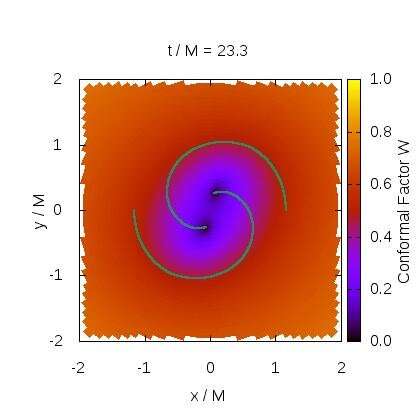
Researchers hoping to better interpret data from the detection of gravitational waves generated by the collision of binary black holes are turning to the...
We now know how insects and bacteria control ice
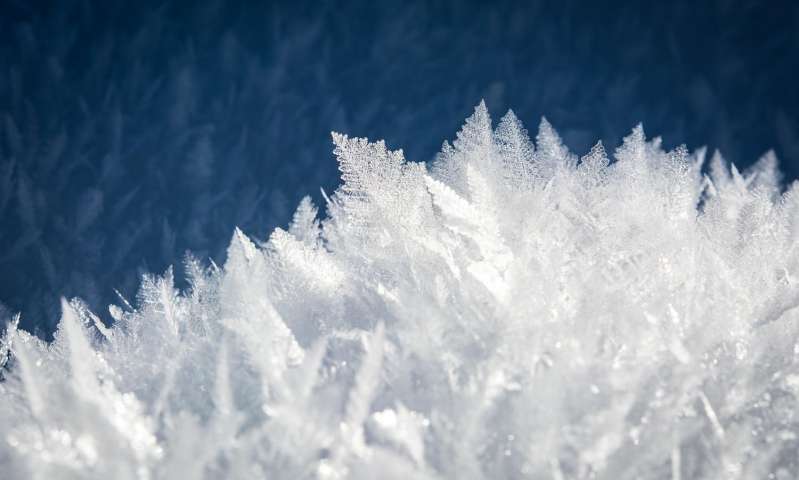
Contrary to what you may have been taught, water doesn't always freeze to ice at 32 degrees F (zero degrees C). Knowing, or controlling,...
Electric vehicle adoption improves air quality and climate outlook
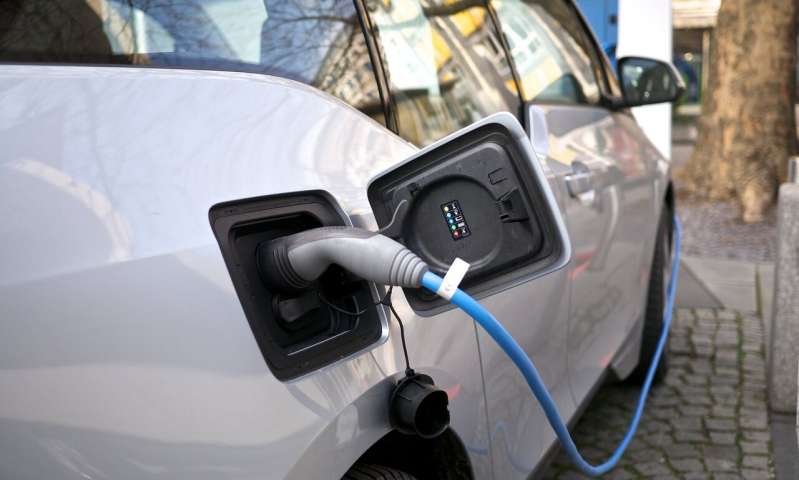
If you have ever wondered how much electric vehicle (EV) adoption actually matters for the environment, a new study provides evidence that making this...
Quantum simulation more stable than expected

A localization phenomenon boosts the accuracy of solving quantum many-body problems with quantum computers. These problems are otherwise challenging for conventional computers. This brings...
SLAC develops novel compact antenna for communicating where radios fail

A new type of pocket-sized antenna, developed at the Department of Energy's SLAC National Accelerator Laboratory, could enable mobile communication in situations where conventional...
Research provides speed boost to quantum computers

A new finding by researchers at the University of Chicago promises to improve the speed and reliability of current and next generation quantum computers...
Earliest life may have arisen in ponds, not oceans

Primitive ponds may have provided a suitable environment for brewing up Earth's first life forms, more so than oceans, a new MIT study finds.
Researchers...
In mice, eliminating damaged mitochondria alleviates chronic inflammatory disease
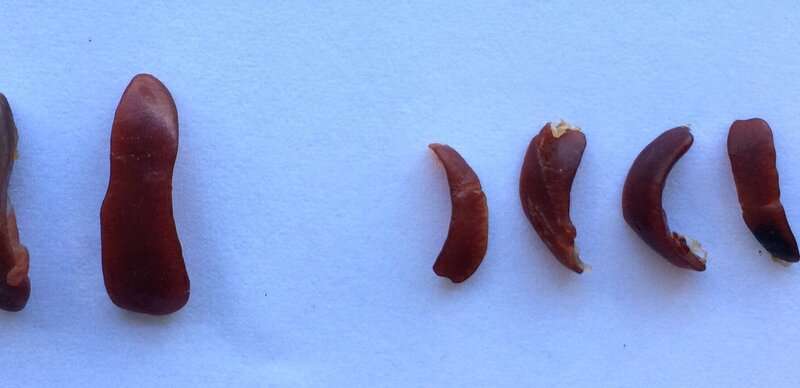
Inflammation is a balanced physiological response—the body needs it to eliminate invasive organisms and foreign irritants, but excessive inflammation can harm healthy cells, contributing...
Astronaut has no lingering, major epigenetic differences from earthbound twin brother

In a landmark study, a group of U.S. scientists from Johns Hopkins, Stanford University and other institutions has found no long-lasting, major differences between...
Unique oil-eating bacteria found in world’s deepest ocean trench

Scientists from the University of East Anglia have discovered a unique oil eating bacteria in the deepest part of the Earth's oceans—the Mariana Trench.
Together...


