

Home 2018
Yearly Archives: 2018
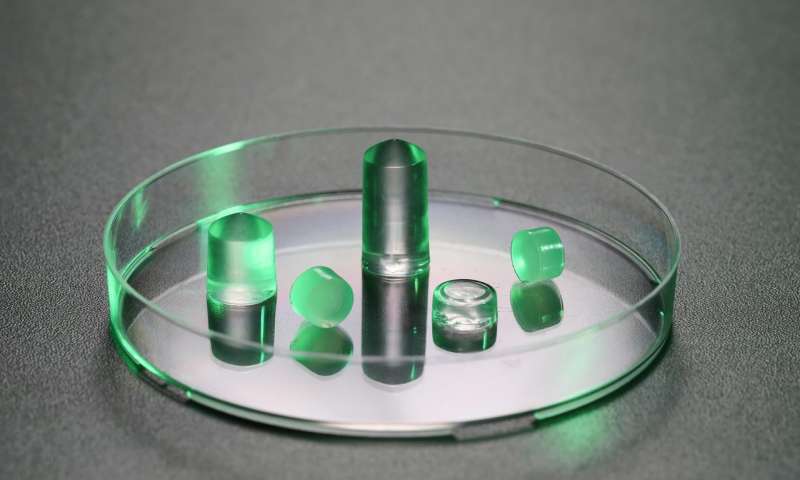
A hydrogel that adheres firmly to cartilage and meniscus
EPFL researchers have developed a hydrogel – made up of nearly 90% water – that naturally adheres to soft tissue like cartilage and the...
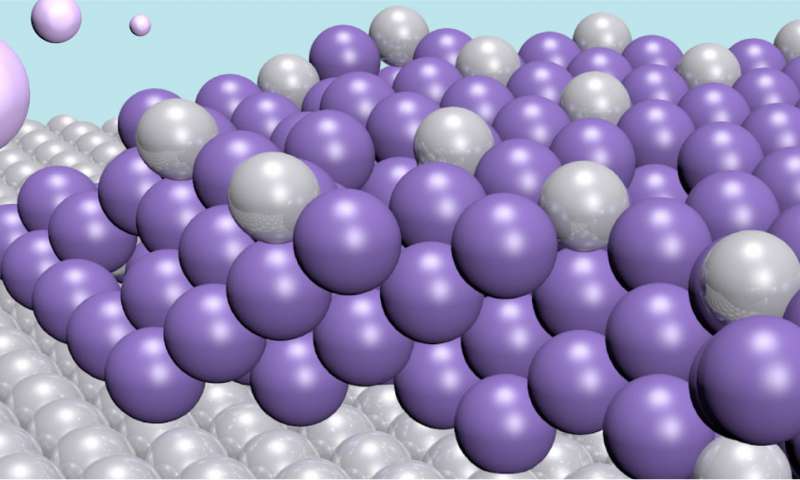
Removing toxic mercury from contaminated water
Water contaminated with mercury and other toxic heavy metals is a major cause of environmental damage and health problems worldwide. Now, researchers from Chalmers...
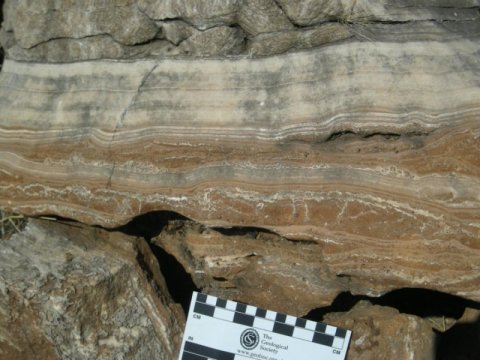
Evolution: South Africa’s hominin record is a fair-weather friend
New research from an international team of scientists led by University of Cape Town isotope geochemist Dr Robyn Pickering is the first to provide...
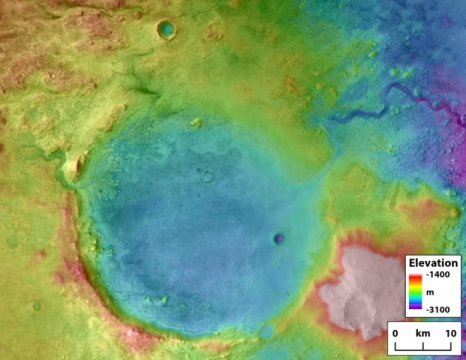
Overflowing crater lakes carved canyons across Mars
Today, most of the water on Mars is locked away in frozen ice caps. But billions of years ago it flowed freely across the...
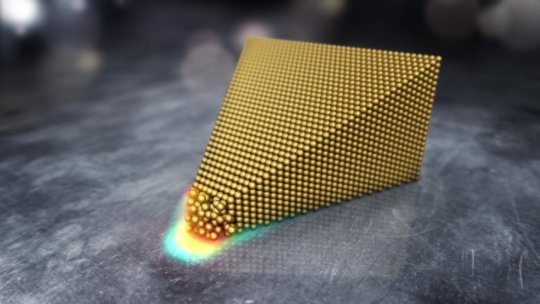
How to melt gold at room temperature
When the tension rises, unexpected things can happen -- not least when it comes to gold atoms. Researchers from, among others, Chalmers University of...

Embryological study of the skull reveals dinosaur-bird connection
Birds are the surviving descendants of predatory dinosaurs. However, since the likes of Tyrannosaurus and Velociraptor, some parts of their anatomy have become radically...

Deep sea mining zone hosts carbon dioxide-consuming bacteria, scientists discover
Scientists have discovered that bacteria in the deepest parts of the seafloor are absorbing carbon dioxide and could be turning themselves into an additional...

Mars moon got its grooves from rolling stones, study suggests
That round-the-globe rolling also explains how some grooves are superposed on top of others. The models show that grooves laid down right after the...

Solution for next generation nanochips comes out of thin air
Researchers at RMIT University have engineered a new type of transistor, the building block for all electronics. Instead of sending electrical currents through silicon,...

4,000-year-old termite mounds found in Brazil are visible from space
Researchers reporting in Current Biology on November 19 have found that a vast array of regularly spaced, still-inhabited termite mounds in northeastern Brazil—covering an...

Greenhouse gasses triggering more changes than we can handle
A new study published in Nature Climate Change provides one of the most comprehensive assessments yet of how humanity is being impacted by the...


