



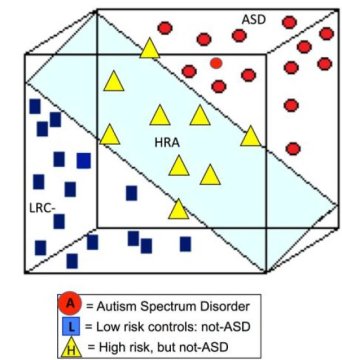
Autism is challenging to diagnose, especially early in life. A new study in the journal Scientific Reports shows that inexpensive EEGs, which measure brain electrical activity, accurately predict or rule out autism spectrum disorder (ASD) in infants, even in...
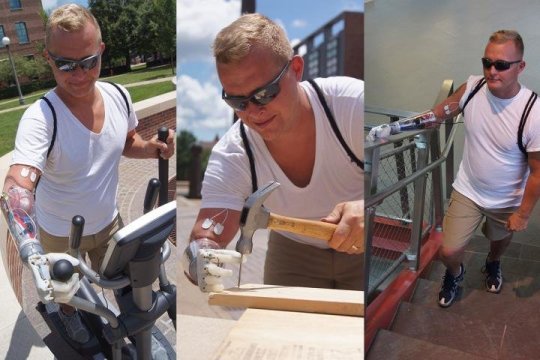
Losing an arm doesn't have to mean losing all sense of touch, thanks to prosthetic arms that stimulate nerves with mild electrical feedback.
University of Illinois researchers have developed a control algorithm that regulates the current so a prosthetics user...

Our window into the cellular world just got a whole lot clearer.
By combining two imaging technologies, scientists can now watch in unprecedented 3-D detail as cancer cells crawl, spinal nerve circuits wire up, and immune cells cruise through a...

It's DNA, but not as we know it.
In a world first, Australian researchers have identified a new DNA structure -- called the i-motif -- inside cells. A twisted 'knot' of DNA, the i-motif has never before been directly seen...

A new method has been developed to make drugs 'smarter' using nanotechnology so they will be more effective at reaching their target.
Scientists from the University of Lincoln, UK, have devised a new technique to 'decorate' gold nanoparticles with a...

Dog and human gut microbiomes have more similar genes and responses to diet than we previously thought, according to a study published in the open access journal, Microbiome.
Dr Luis Pedro Coelho and colleagues from the European Molecular Biology Laboratory,...

Major mental illnesses such as schizophrenia, severe depression and bipolar disorder share a common genetic link. Studies of specific families with a history of these types of illnesses have revealed that affected family members share a mutation in the...

An international team has uncovered the potential to beat obesity at the cellular level, characterizing for the first time a complex, little-understood receptor type that, when activated, shuts off hunger.
Jens Meiler, professor of chemistry and pharmacology at Vanderbilt University,...

Regularly drinking more than the recommended UK guidelines for alcohol could take years off your life, according to new research from the University of Cambridge. Part-funded by the British Heart Foundation, the study shows that drinking more alcohol is...
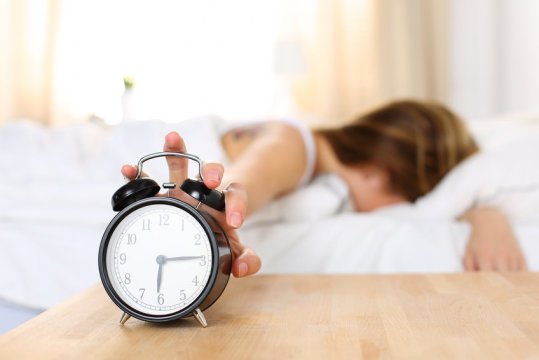
"Night owls" -- people who like to stay up late and have trouble dragging themselves out of bed in the morning -- have a higher risk of dying sooner than "larks," people who have a natural preference for going...
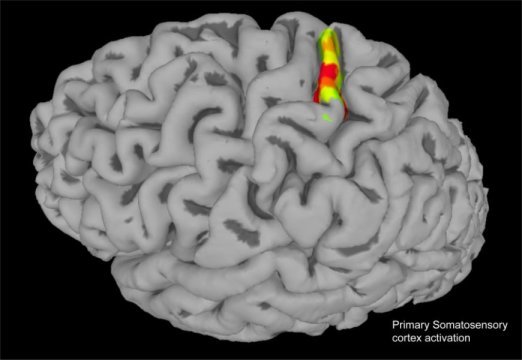
For the first time, scientists at Caltech have induced natural sensations in the arm of a paralyzed man by stimulating a certain region of the brain with a tiny array of electrodes. The patient has a high-level spinal cord...


