


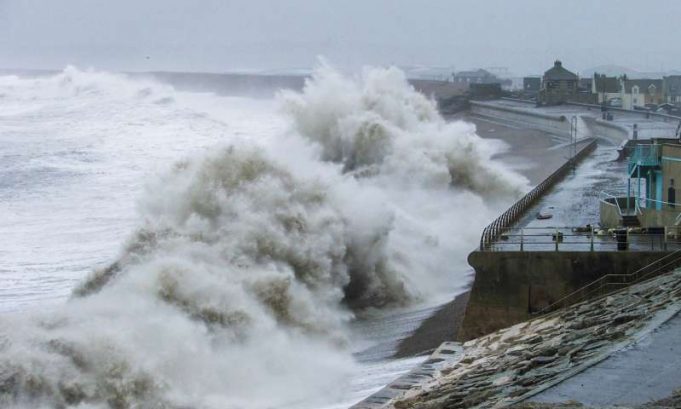
Average winter wave heights along the Atlantic coast of Western Europe have been rising for almost seven decades, according to new research.
The coastlines of Scotland and Ireland have seen the largest increases, with the average height of winter waves...

Swarms of tiny oceanic organisms known collectively as zooplankton may have an outsize influence on their environment. New research at Stanford shows that clusters of centimeter-long individuals, each beating tiny feathered legs, can, in aggregate, create powerful currents that...
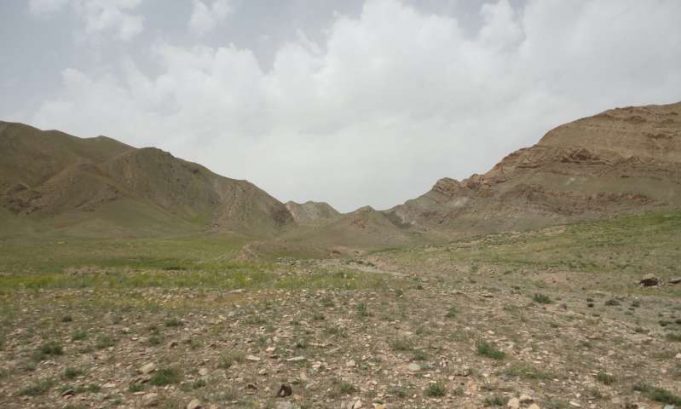
About 252 million years ago, more than 90 percent of all animal life on Earth went extinct. This event, called the "Permian-Triassic mass extinction," represents the greatest catastrophe in the history of life on Earth. Ecosystems took nearly five...
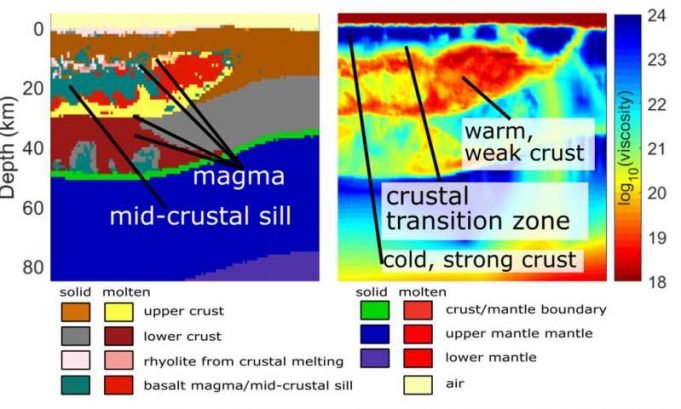
Using supercomputer modeling, University of Oregon scientists have unveiled a new explanation for the geology underlying recent seismic imaging of magma bodies below Yellowstone National Park.
Yellowstone, a supervolcano famous for explosive eruptions, large calderas and extensive lava flows, has...
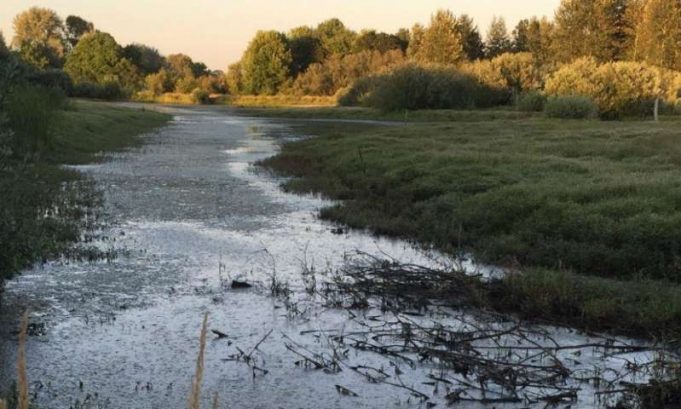
Large wildfires cause increases in stream flow that can last for years or even decades, according to a new analysis of 30 years of data from across the continental United States.
Enhanced river flows are a good news, bad news...
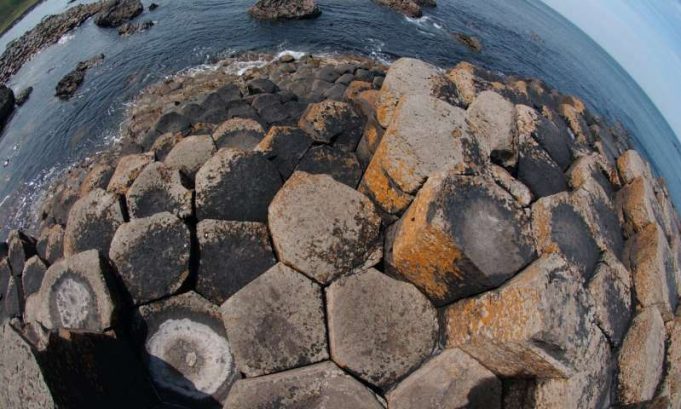
A new study by geoscientists at the University of Liverpool has identified the temperature at which cooling magma cracks to form geometric columns such as those found at the Giant's Causeway in Northern Ireland and Devils Postpile in the...
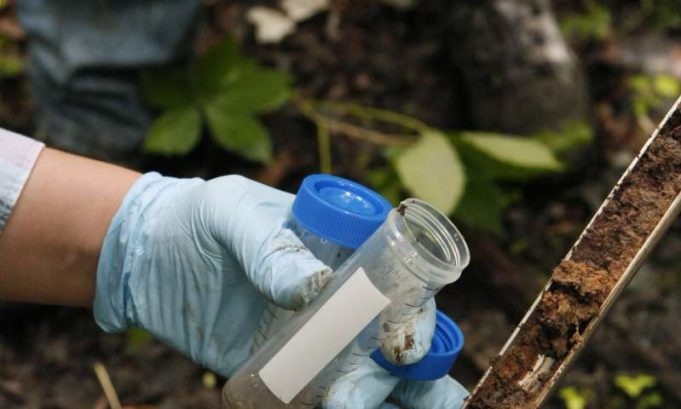
Sewage treatment may be an unglamorous job, but bacteria are happy to do it. Sewage plants rely on bacteria to remove environmental toxins from waste so that the processed water can be safely discharged into oceans and rivers.
Now, a...

Japanese researchers have mapped vast reserves of rare earth elements in deep-sea mud, enough to feed global demand on a "semi-infinite basis," according to a fresh study.
The deposit, found within Japan's exclusive economic waters, contains more than 16 million...
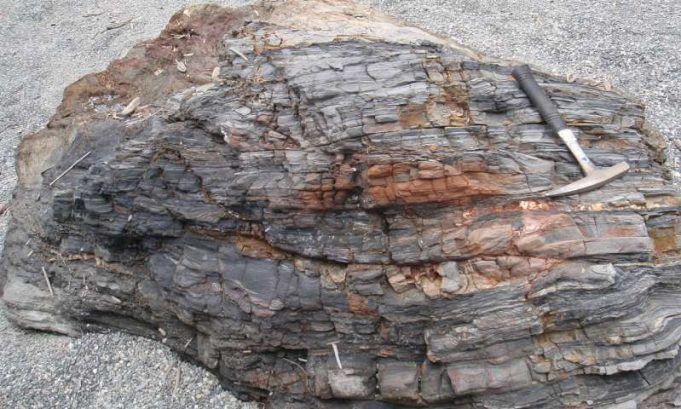
For centuries, the prevailing science has indicated that all of the nitrogen on Earth available to plants comes from the atmosphere. But a study from the University of California, Davis, indicates that more than a quarter comes from Earth's...
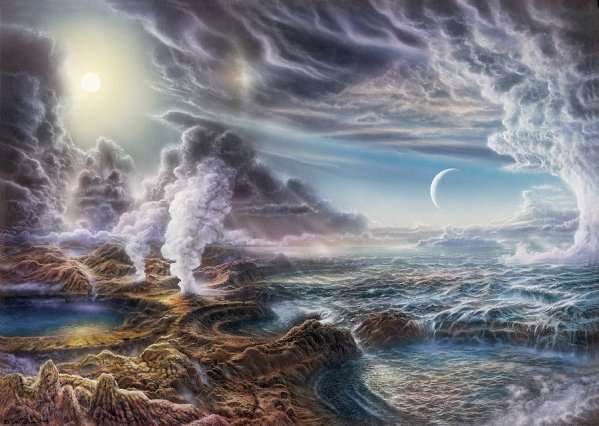
Early forms of life very likely had metabolisms that transformed the primordial Earth, such as initiating the carbon cycle and producing most of the planet's oxygen through photosynthesis. About 3.5 billion years ago, the Earth seems to have already...
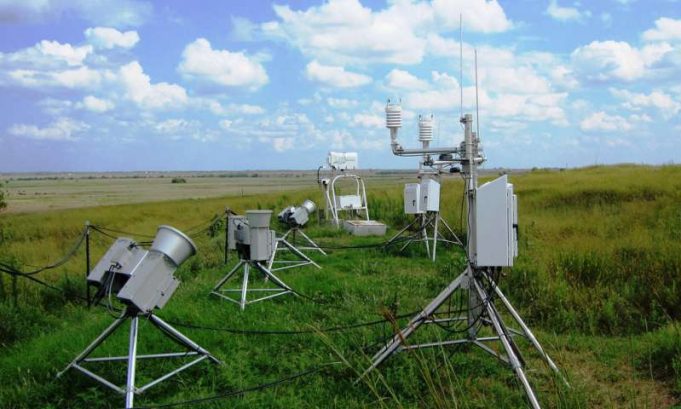
Scientists have directly measured the increasing greenhouse effect of methane at the Earth's surface for the first time. A research team from the U.S. Department of Energy's Lawrence Berkeley National Laboratory (Berkeley Lab) tracked a rise in the warming...


