




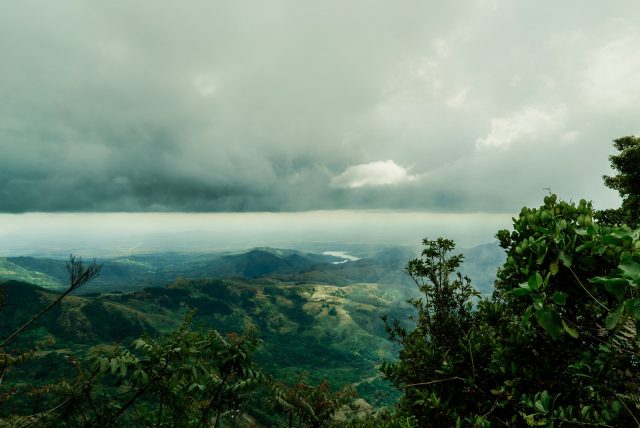
When the Isthmus of Panama rose from the sea to connect North and South America millions of years ago, mammals could cross the bridge in both directions. But the result of this massive migration—a large proportion of mammals with...
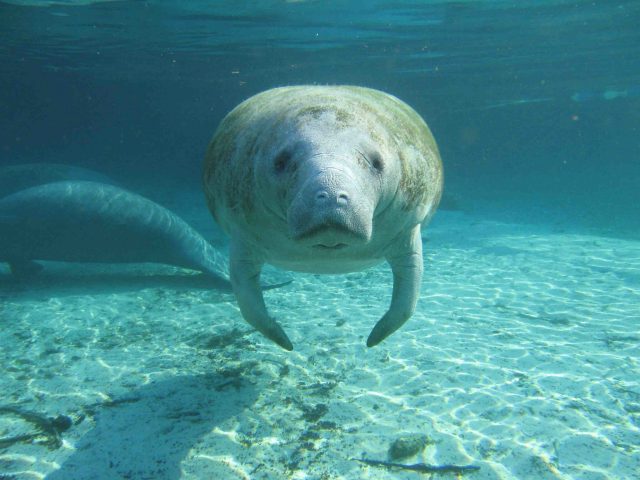
Manatees don't live year-round in Texas, but these gentle, slow-moving sea cows are known to occasionally visit, swimming in for a "summer vacation" from Florida and Mexico and returning to warmer waters for the winter.
Research led by The University...
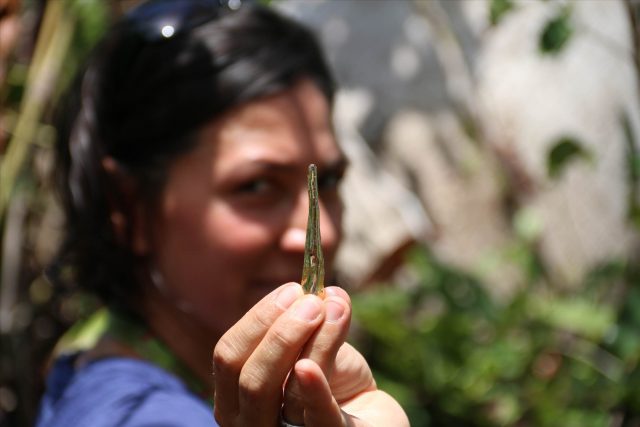
For the first time, Senckenberg scientist Mónica Solórzano-Kraemer, together with lead authors David Peris and Kathrin Janssen of the University of Bonn and additional colleagues from Spain and Norway, successfully extracted genetic material from insects that were embedded in...
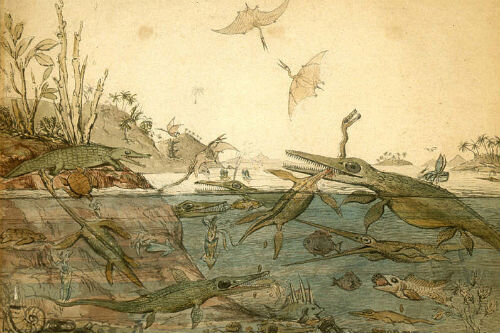
While dinosaurs ruled the land in the Mesozoic, the oceans were filled by predators such as crocodiles and giant lizards, but also entirely extinct groups such as ichthyosaurs and plesiosaurs.
Now for the first time, researchers at the University of...

The debate about when dinosaurs developed feathers has taken a new turn with a paper refuting earlier claims that feathers were also found on dinosaurs' relatives, the flying reptiles called pterosaurs.
Pterosaur expert Dr. David Unwin from the University of...

Experts from the Department of Prehistory and Archaeology of the University of Seville have just published a study in the prestigious journal PLOS ONE on an important archaeological find in the Cueva de la Dehesilla (Cádiz). Specifically, two human skulls and...
Chromium steel—similar to what we know today as tool steel—was first made in Persia, nearly a millennium earlier than experts previously thought, according to a new study led by UCL researchers.
The discovery, published in the Journal of Archaeological Science, was...
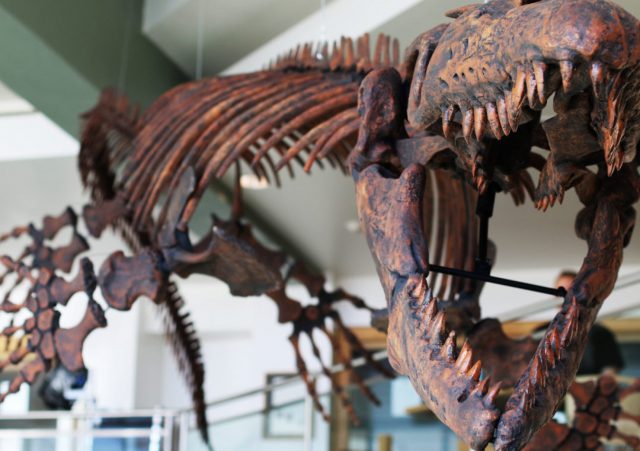
Some 92 to 66 million years ago, as the age of dinosaurs waned, giant marine lizards called mosasaurs roamed an ocean that covered North America from Utah to Missouri and Texas to the Yukon. The air-breathing predators were streamlined...
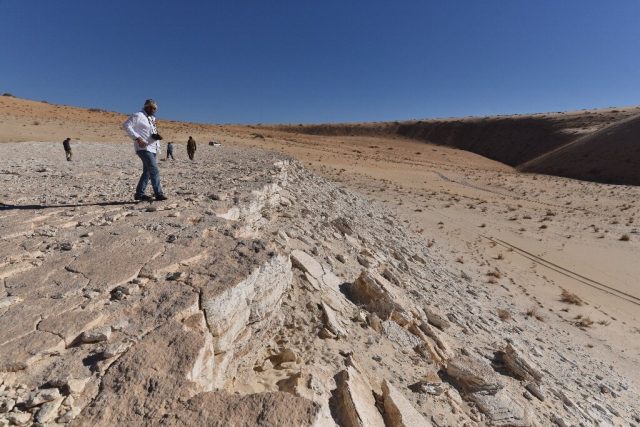
Around 120,000 years ago in what is now northern Saudi Arabia, a small band of homo sapiens stopped to drink and forage at a shallow lake that was also frequented by camels, buffalo and elephants bigger than any species...

Invaders, pirates, warriors—the history books taught us that Vikings were brutal predators who travelled by sea from Scandinavia to pillage and raid their way across Europe and beyond.
Now cutting-edge DNA sequencing of more than 400 Viking skeletons from archaeological sites scattered...

Researchers at McMaster University have developed a new technique to tease ancient DNA from soil, pulling the genomes of hundreds of animals and thousands of plants—many of them long extinct—from less than a gram of sediment.
The DNA extraction method,...


