





Featherwing beetles are smaller than the period at the end of this sentence. They get their name from the feathery fringe on their wings that enables them to catch the air and float like dandelion seeds. And, it turns...

Radiocarbon dating is a key tool archaeologists use to determine the age of plants and objects made with organic material. But new research shows that commonly accepted radiocarbon dating standards can miss the mark—calling into question historical timelines.
Archaeologist Sturt...
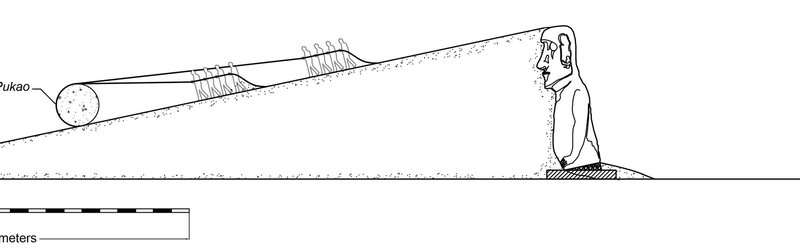
How do you put a 13-ton hat on a giant statue? That's what a team of researchers is trying to figure out with their study of Easter Island statues and the red hats that sit atop some of them.
"Lots...

A new genetic study of ancient individuals in the Americas and their contemporary descendants finds that two populations that diverged from one another 18,000 to 15,000 years ago remained apart for millennia before mixing again. This historic "reconvergence" occurred...
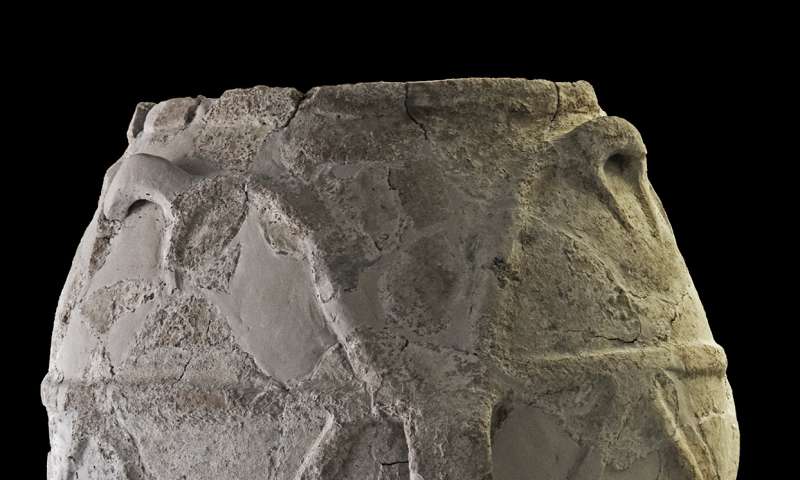
Olive oil is a staple of Italian cuisine. It's been that way for thousands of years. And new chemical analysis conducted on ancient pottery proves the liquid gold has existed in Italy hundreds of years longer than what anthropologists...
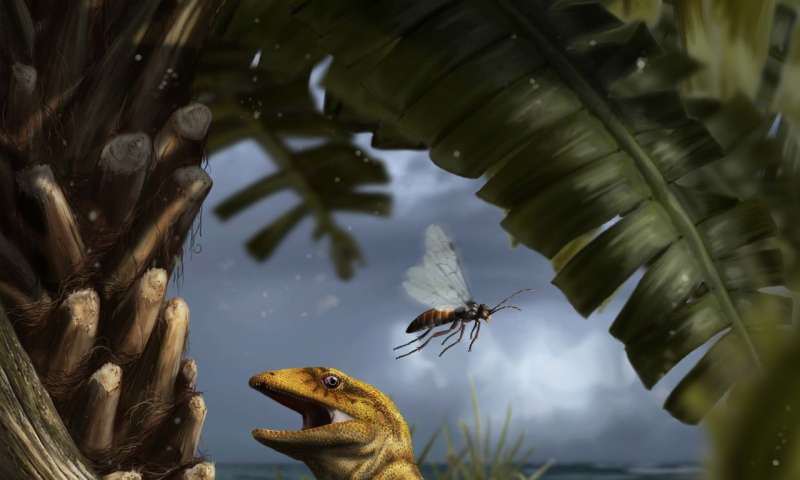
Scientists said Wednesday they had tracked down the oldest known lizard, a tiny creature that lived about 240 million years ago when Earth had a single continent and dinosaurs were brand new.
Scans of the fossilised skeleton of Megachirella revealed...
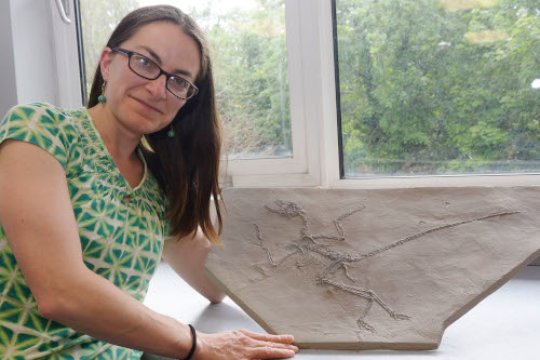
Palaeontologists from University College Cork (UCC) in Ireland have discovered 125 million-year-old dandruff preserved amongst the plumage of feathered dinosaurs and early birds, revealing the first evidence of how dinosaurs shed their skin.
UCC's Dr Maria McNamara and her team...

Sixty-six million years ago, the world burned. An asteroid crashed to Earth with a force one million times larger than the largest atomic bomb, causing the extinction of the dinosaurs. But dinosaurs weren't the only ones that got hit...
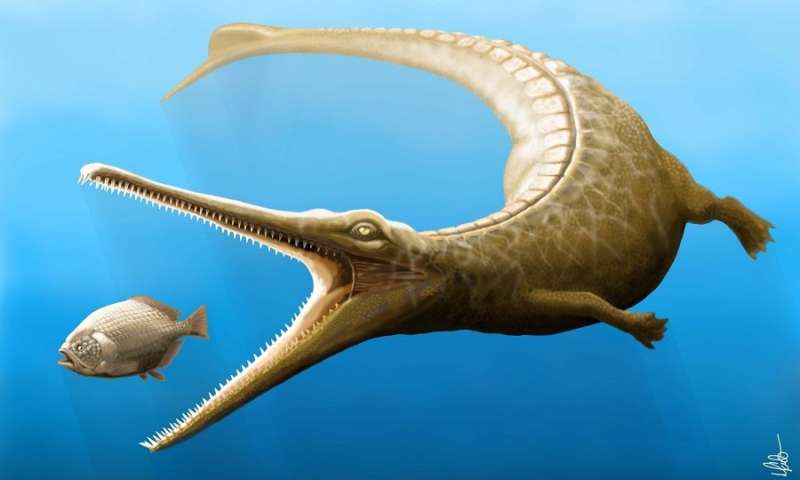
A 180 million-year-old fossil has shed light on how some ancient crocodiles evolved into dolphin-like animals.
The specimen—featuring a large portion of backbone—represents a missing link in the family tree of crocodiles, and was one of the largest coastal predators...
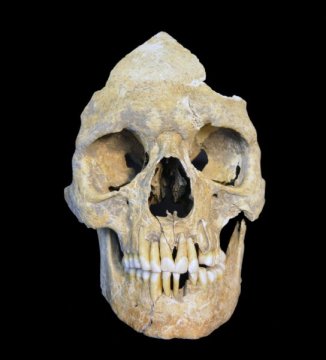
An international team of scientists led by researchers at the Max Planck Institute for the Science of Human History and the University of Kiel has successfully reconstructed genomes from Stone Age and Medieval European strains of the hepatitis B...
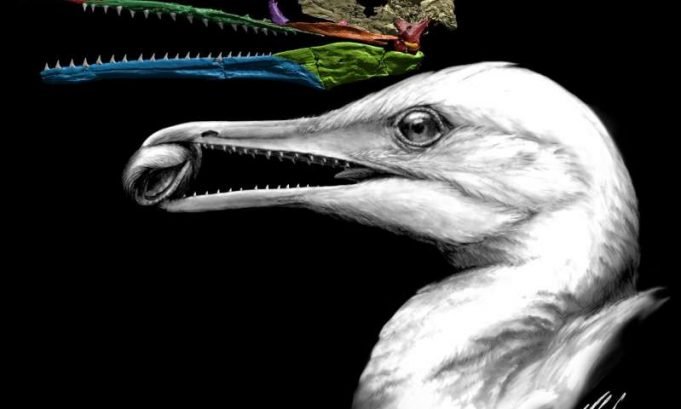
Researchers have pieced together the three-dimensional skull of an iconic, toothed bird that represents a pivotal moment in the transition from dinosaurs to modern-day birds.
Ichthyornis dispar holds a key position in the evolutionary trail that leads from dinosaurian species...


