





An ancient group of people made ritual offerings to supernatural deities near the Island of the Sun in Lake Titicaca, Bolivia, about 500 years earlier than the Incas, according to an international team of researchers. The team's findings suggest...

Archaeologists with the University of Cincinnati used the latest technology to find evidence suggesting ancient Maya people grew surplus crops to support an active trade with neighbors up and down the Yucatan Peninsula.
They will present their findings at the...
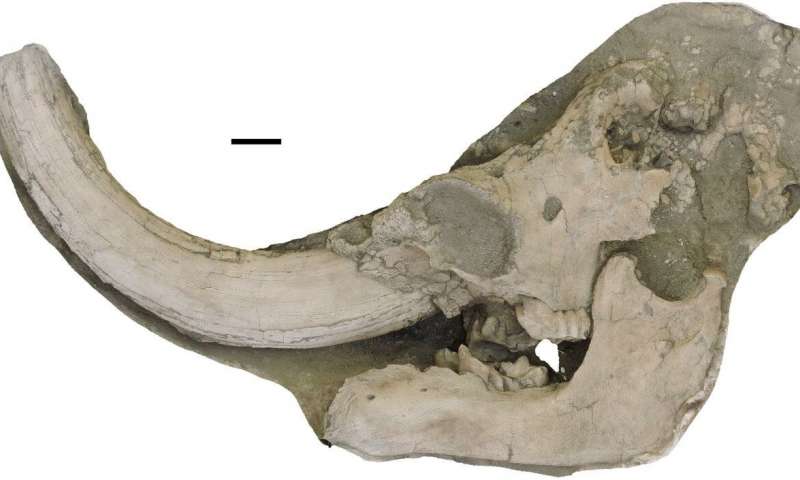
A team of researchers affiliated with several institutions in the U.S. has discovered a new species of mastodon. In their paper uploaded to the peer-reviewed journal PeerJ, the group describes discovering the new species and why it has only just...
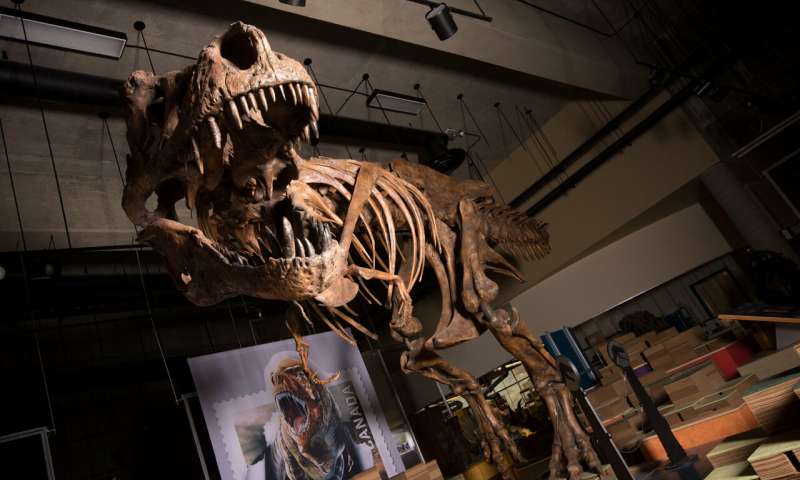
University of Alberta paleontologists have just reported the world's biggest Tyrannosaurus rex and the largest dinosaur skeleton ever found in Canada. The 13-metre-long T. rex, nicknamed "Scotty," lived in prehistoric Saskatchewan 66 million years ago.
"This is the rex of rexes," said Scott...

One of the ocean's little known carnivores has been allocated a new place in the evolutionary tree of life after scientists discovered its unmistakable resemblance with other sea-floor dwelling creatures.
Comb jellies occupy a pivotal place in the history of...
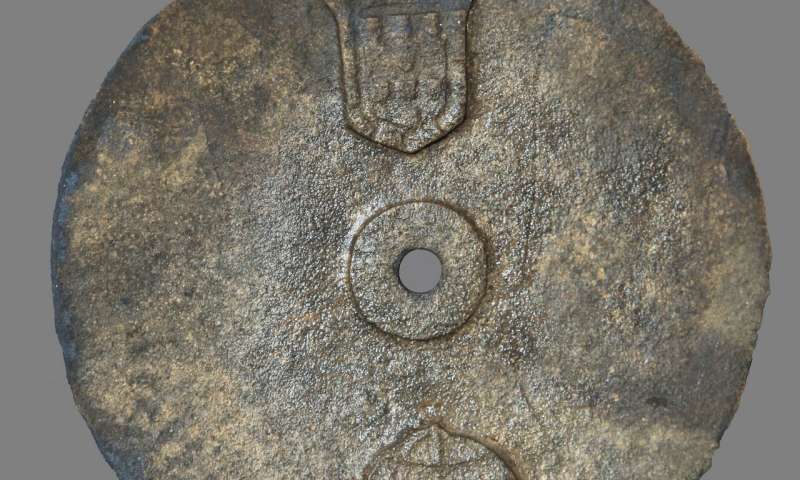
Guinness World Records have independently certified an astrolabe excavated from the wreck site of a Portuguese Armada Ship that was part of Vasco da Gama's second voyage to India in 1502-1503 as the oldest in the world, and have...

The largest study to date of ancient DNA from the Iberian Peninsula (modern-day Portugal and Spain) offers new insights into the populations that lived in this region over the last 8,000 years. The most startling discovery suggests that local...

Anthropologists have long made the case that tool-making is one of the key behaviors that separated our human ancestors from other primates. A new paper, however, argues that it was not tool-making that set hominins apart -- it was...
A study of the world's earliest known dinosaur eggs reveals new information about the evolution of dinosaur reproduction.
An international team of researchers led by Robert Reisz of the Department of Biology at the University of Toronto Mississauga studied the...

A new, wallaby-sized herbivorous dinosaur has been identified from five fossilized upper jaws in 125 million year old rocks from the Cretaceous period of Victoria, southeastern Australia.
Reported in the Journal of Paleontology, the new dinosaur is named "Galleonosaurus dorisae," and...

Dinosaurs were unaffected by long-term climate changes and flourished before their sudden demise by asteroid strike.
Scientists largely agree that an asteroid impact, possibly coupled with intense volcanic activity, wiped out the dinosaurs at the end of the Cretaceous period 66 million...


