




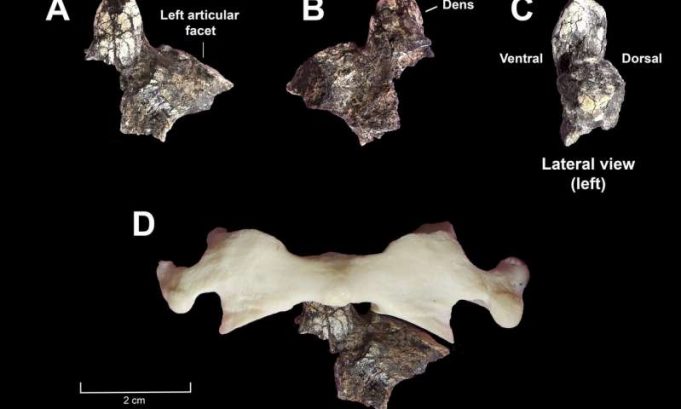
Scientists have published an article describing the oldest axial fossils yet discovered for the genus Australopithecus. Dated 4.2 million years ago, these and other fossils recovered from the Assa Issie site in the Middle Awash extend the known range...
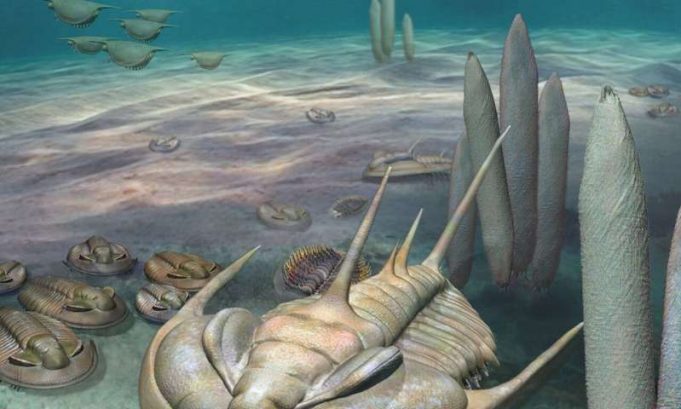
Fossils of a giant new species from the long-extinct group of sea creatures called trilobites have been found on Kangaroo Island, South Australia.
The finding is adding important insights to our knowledge of the Cambrian explosion, the greatest diversification event...
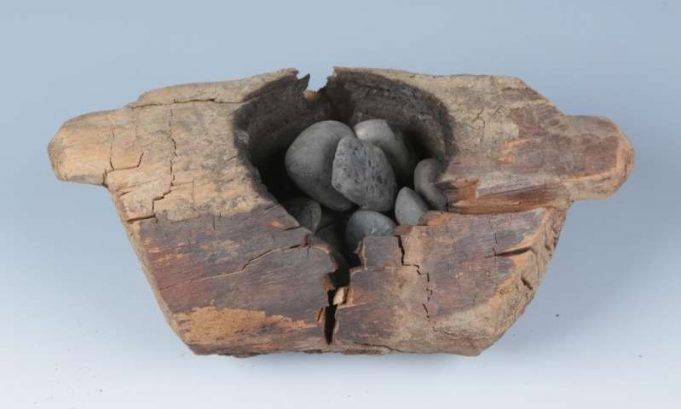
Cannabis has been cultivated for millennia in East Asia as an oil-seed and fibre crop. Little is known, however, about the early use and eventual cultivation of the plant for its psychoactive and medicinal properties. Despite being one of...
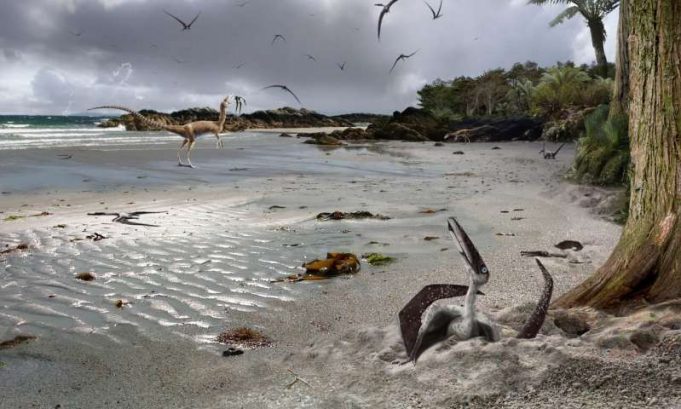
A breakthrough discovery reveals that pterodactyls, extinct flying reptiles, had a remarkable ability—they could fly from birth. The importance of this discovery is highlighted by the fact that no other living vertebrates today, or those in the history of...
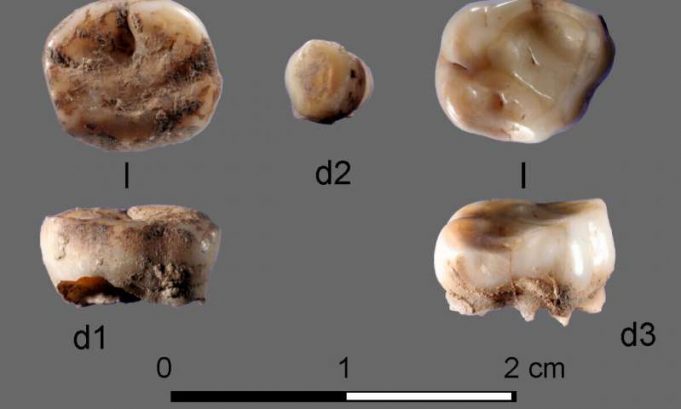
Two children's milk teeth buried deep in a remote archaeological site in north eastern Siberia have revealed a previously unknown group of people lived there during the last Ice Age.
The finding was part of a wider study which also...
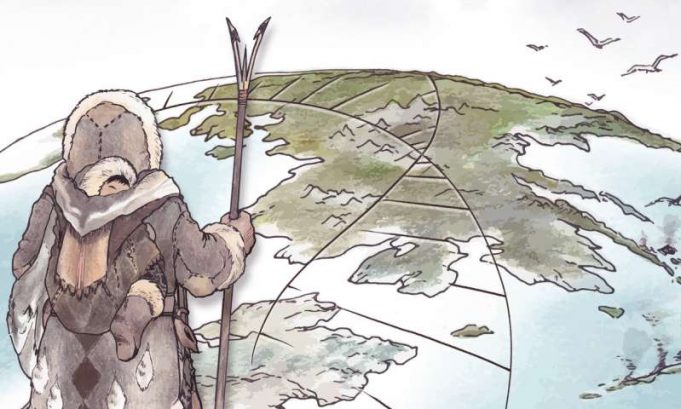
The first humans in North America arrived from Asia some time before 14,500 years ago. The next major stream of gene flow came about 5000 years ago, and is known to archaeologists as Paleo-Eskimos. About 800 years ago, the...
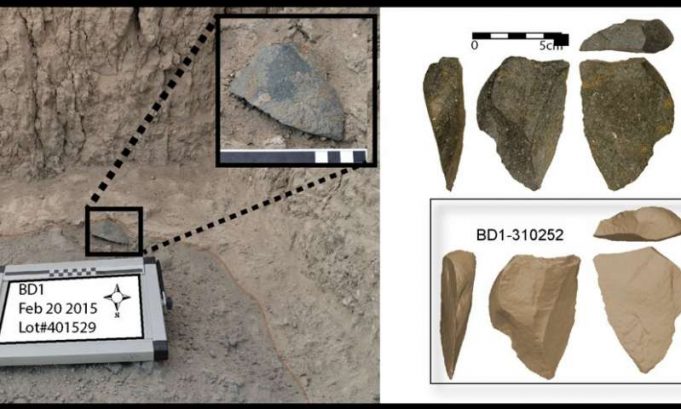
A new archaeological site discovered by an international and local team of scientists working in Ethiopia shows that the origins of stone tool production are older than 2.58 million years ago. Previously, the oldest evidence for systematic stone tool...
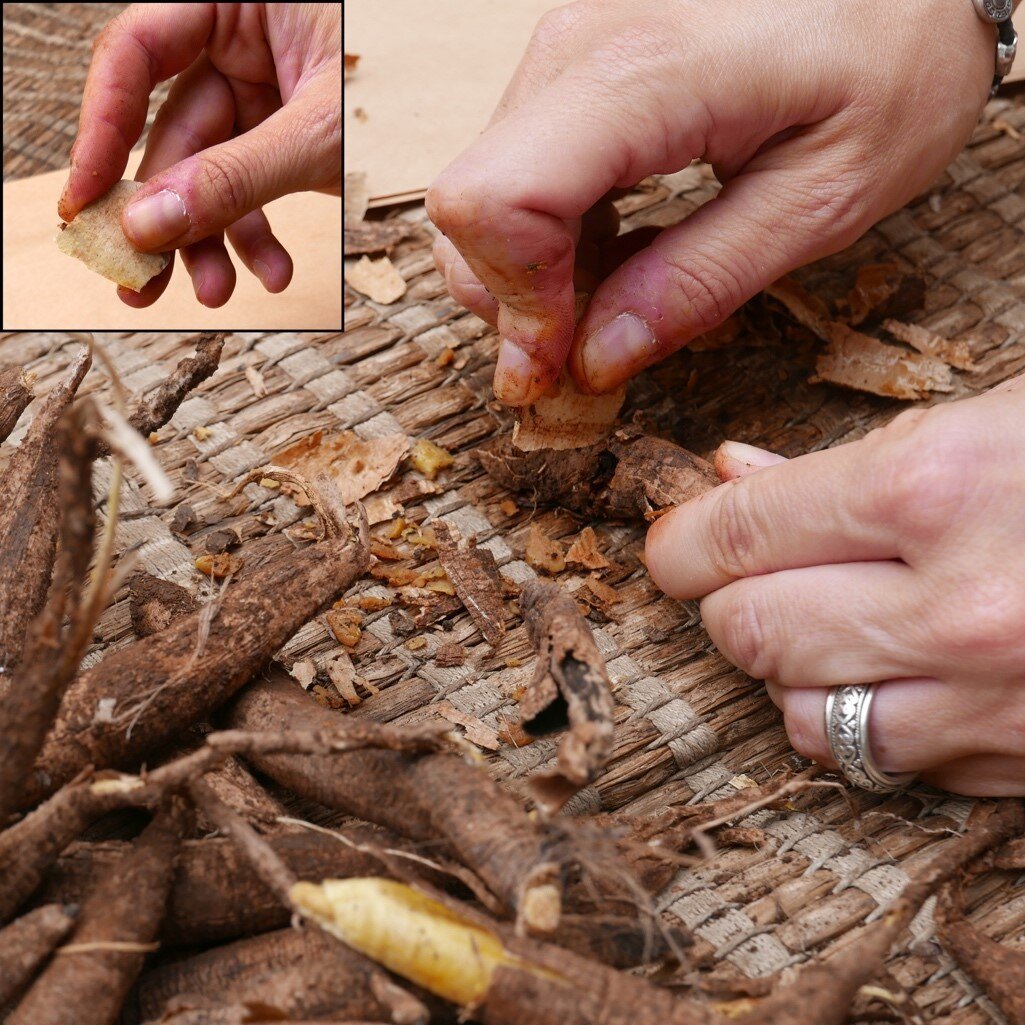
A new Tel Aviv University study finds that prehistoric humans "recycled" discarded or broken flint tools 400,000 years ago to create small, sharp utensils with specific functions. These recycled tools were then used with great precision and accuracy to...

Researchers have found evidence that an unremarkable prehistoric burial mound near Bordeaux, in southwest France, was re-used by locals for around 2,000 years.
The researchers say what drew people to the mound for two millennia remains a mystery.
The Le Tumulus...

A new hypothesis for Neanderthal extinction supported by population modelling is put forward in a new study by Anna Degioanni from Aix Marseille Université, France and colleagues, published May 29, 2019 in the open-access journal PLOS ONE.
The lack of empirical...

Scientists from the University of Bonn and the Sirindhorn Museum in Thailand have identified two new dinosaur species. They analyzed fossil finds that were already discovered 30 years ago in Thailand. Both species are distant relatives of T. rex,...


