

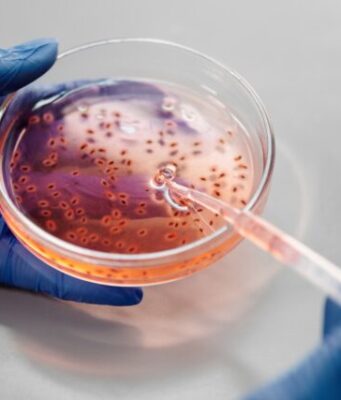



Peter Moore discovered a fragment from a 1,800 year-old glass fish at the National Trust's Chedworth Roman Villa in Gloucestershire.
The shard of intricately decorated glass is so rare it took experts from around the world two years to identify it.
Wealth and...
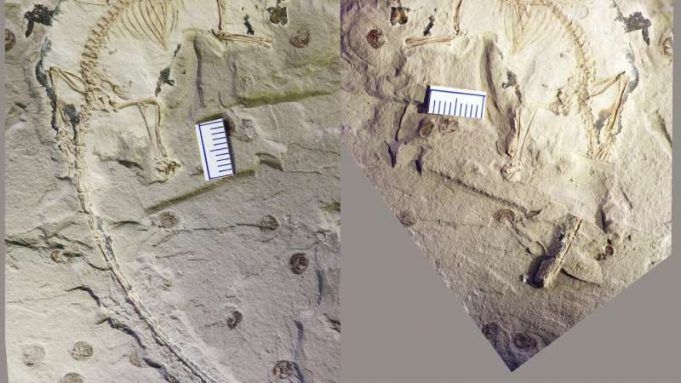
The 165-million-year-old fossil of Microdocodon gracilis, a tiny, shrew-like animal, shows the earliest example of modern hyoid bones in mammal evolution.
The hyoid bones link the back of the mouth, or pharynx, to the openings of the esophagus and the larynx. The...
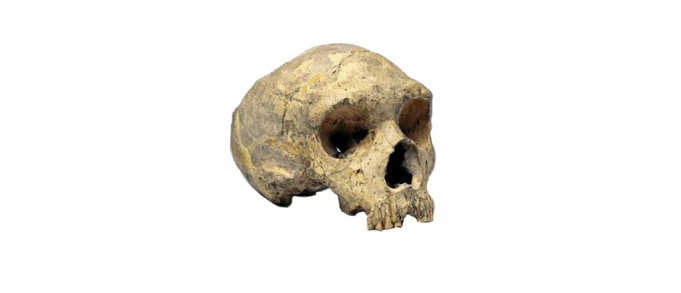
A new collaborative study, led by the Natural History Museum and the Max Planck Institute for Evolutionary Anthropology, has extracted ancient DNA from the Neanderthal fossils of Gibraltar for the first time. The new study has confirmed the sex...

Pig fat could have been used to grease the sledges used to transport the massive stones of Stonehenge into position, new analysis by archaeologists at Newcastle University has suggested.
Absorbed fat residues
Fat residues on shards of pottery found at Durrington Walls, near...
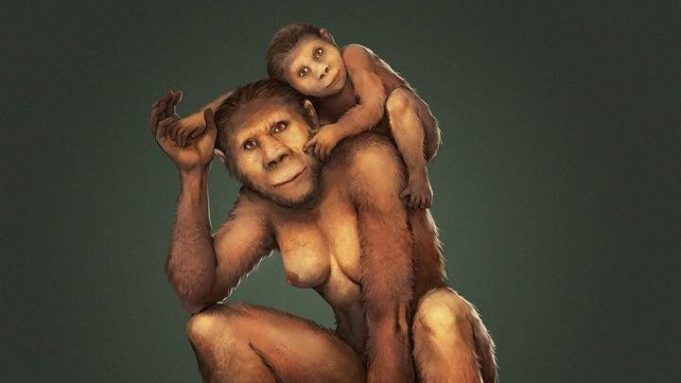
Extended parental care is considered one of the hallmarks of human evolution. A stunning new research result published today in Nature reveals for the first time the parenting habits of one of our earliest extinct ancestors.
Analysis of more than two-million-year-old teeth...

The most complete skull of a duck-billed dinosaur from Big Bend National Park, Texas, is revealed in the Journal of Systematic Palaeontology as a new genus and species, Aquilarhinus palimentus. This dinosaur has been named for its aquiline nose and wide...
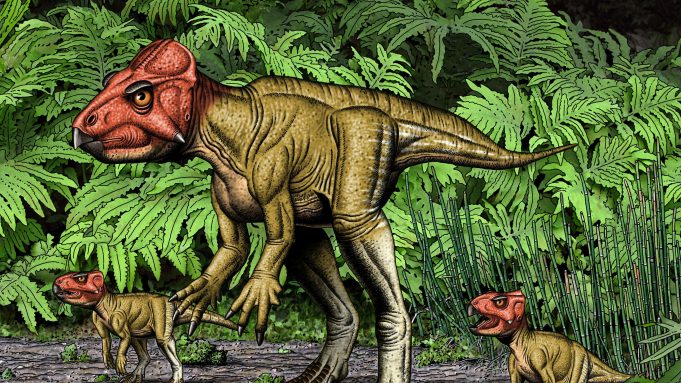
Many dinosaur species are known from scant remains, with some estimates suggesting 75% are known from five or fewer individuals. Auroraceratops rugosus was typical in this regard when it was named in 2005 based upon a single skull from...
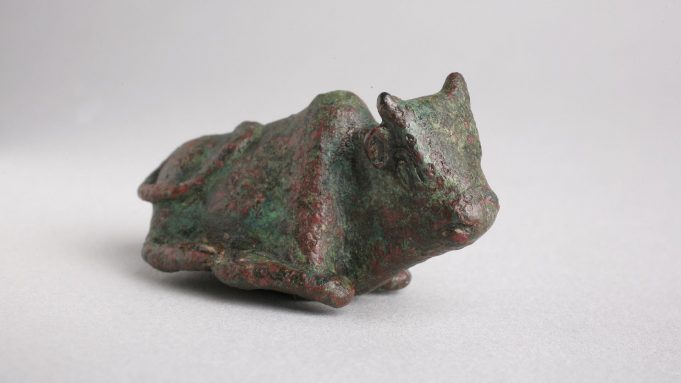
The keeping of livestock began in the Ancient Near East and underpinned the emergence of complex economies and then cities. Subsequently, it is there that the world's first empires rose and fell. Now, ancient DNA has revealed how the...
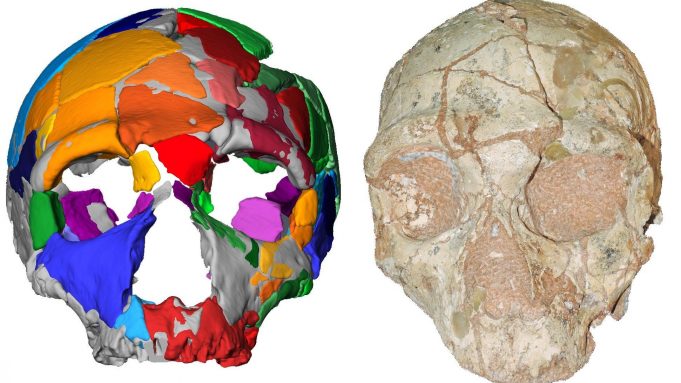
A 210,000-year-old skull has been identified as the earliest modern human remains found outside Africa, putting the clock back on mankind's arrival in Europe by more than 150,000 years, researchers said Wednesday.
In a startling discovery that changes our understanding...
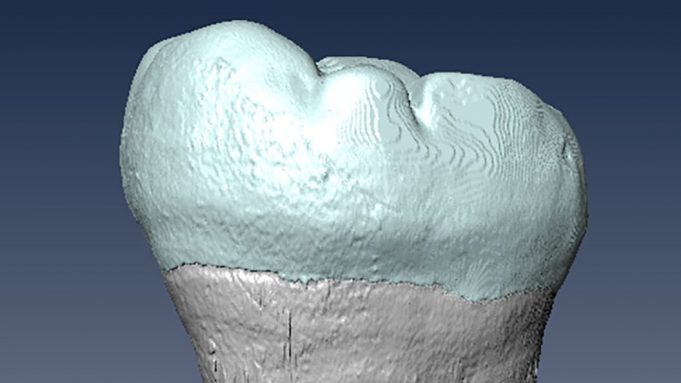
An analysis of a 160,000-year-old archaic human molar fossil discovered in China offers the first morphological evidence of interbreeding between archaic humans and Homo sapiens in Asia.
The study, which appears in the journal Proceedings of the National Academy of Sciences, centers on...
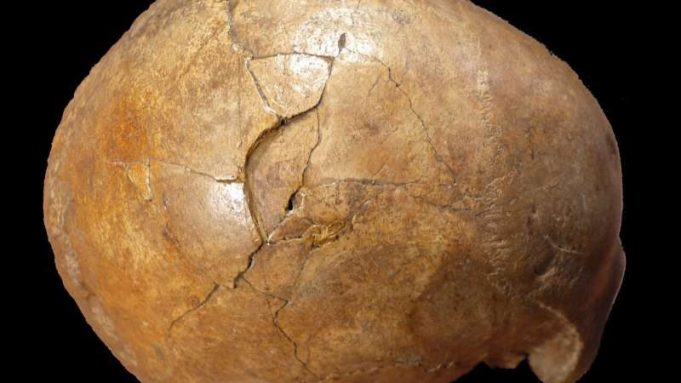
New analysis of the fossilized skull of an Upper Paleolithic man suggests that he died a violent death, according to a study published July 3, 2019 in the open-access journal PLOS ONE by an international team from Greece, Romania and Germany...


