




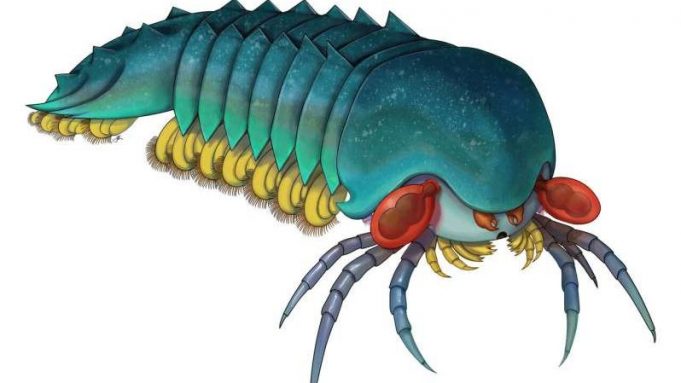
Two palaeontologists working on the world-renowned Burgess Shale have revealed a new species, called Mollisonia plenovenatrix, which is presented as the oldest chelicerate. This discovery places the origin of this vast group of animals—of over 115,000 species, including horseshoe crabs, scorpions...
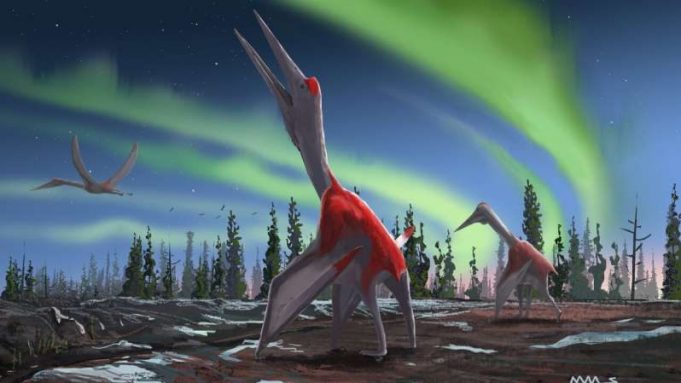
A newly identified species of pterosaur is among the largest ever flying animals, according to a new study from Queen Mary University of London.
Cryodrakon boreas, from the Azhdarchid group of pterosaurs (often incorrectly called 'pterodactyls'), was a flying reptile with a wingspan of...
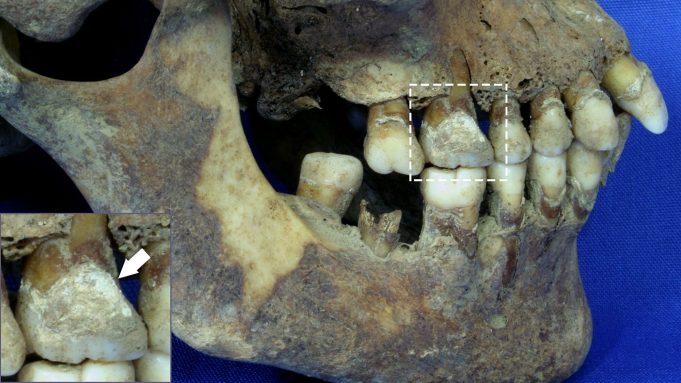
Scientific analysis of dental calculus—plaque build-up—of the Famine's victims found evidence of corn (maize), oats, potato, wheat and milk foodstuffs.
Surprisingly, they also discovered egg protein in the calculus of three people—more associated with diets of non-labouring or better off social...
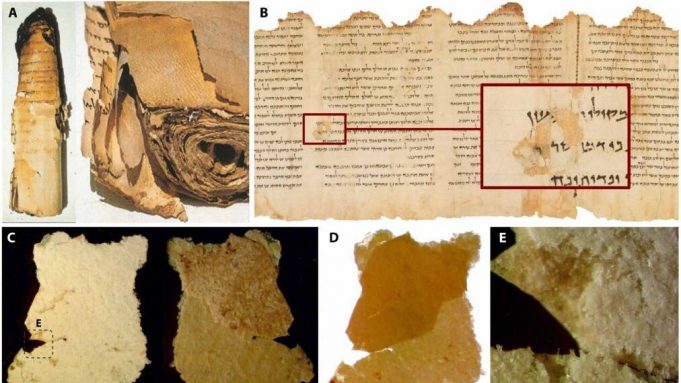
First discovered in 1947 by Bedouin shepherds looking for a lost sheep, the ancient Hebrew texts known as the Dead Sea Scrolls are some of the most well-preserved ancient written materials ever found. Now, a study by researchers at...
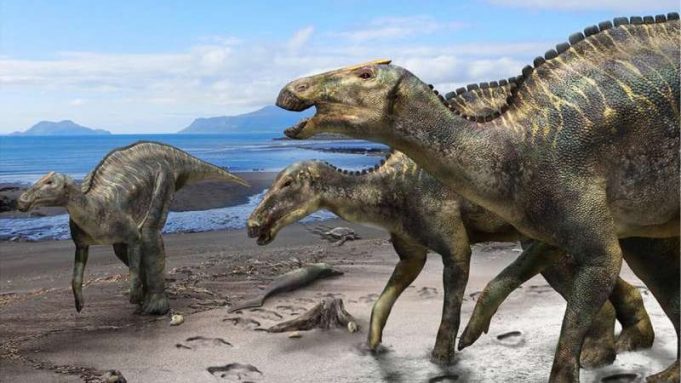
The dinosaur, whose nearly complete skeleton was unearthed from 72 million year old marine deposits in Mukawa Town in northern Japan, belongs to a new genus and species of a herbivorous hadrosaurid dinosaur, according to the study published in Scientific...
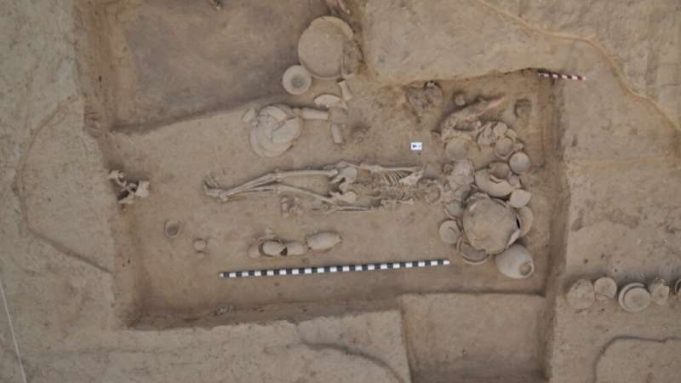
The largest-ever study of ancient human DNA, along with the first genome of an individual from the ancient Indus Valley Civilization, reveal in unprecedented detail the shifting ancestry of Central and South Asian populations over time.
The research, published online...

In a remarkable evolutionary discovery, a team of scientists co-led by a Virginia Tech geoscientist has discovered what could be among the first trails made by animals on the surface of the Earth roughly a half-billion years ago.
Shuhai Xiao,...

Tyrannosaurus rex, one of the largest meat-eating dinosaurs on the planet, had an air conditioner in its head, suggest scientists from the University of Missouri, Ohio University and University of Florida, while challenging over a century of previous beliefs.
In...
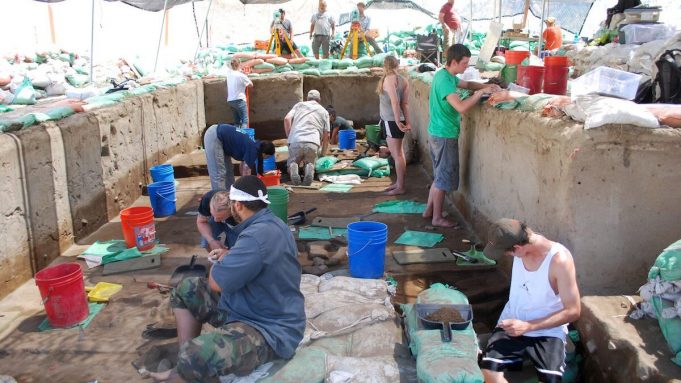
Stone tools and other artifacts unearthed from an archeological dig at the Cooper's Ferry site in western Idaho suggest that people lived in the area 16,000 years ago, more than a thousand years earlier than scientists previously thought.
The artifacts...
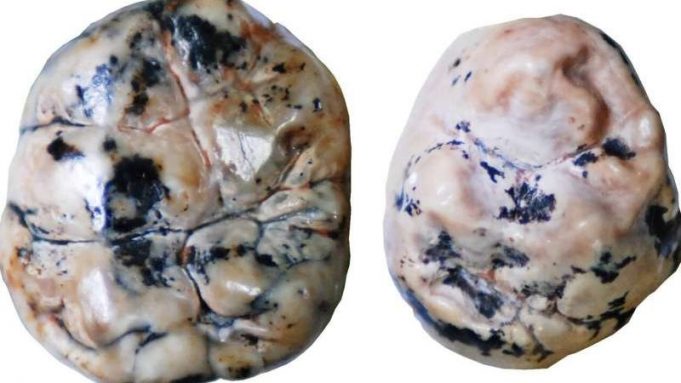
By analysing the fossilised teeth of some of our most ancient ancestors, a team of scientists led by the universities of Bristol (UK) and Lyon (France) have discovered that the first humans significantly breastfed their infants for longer periods...
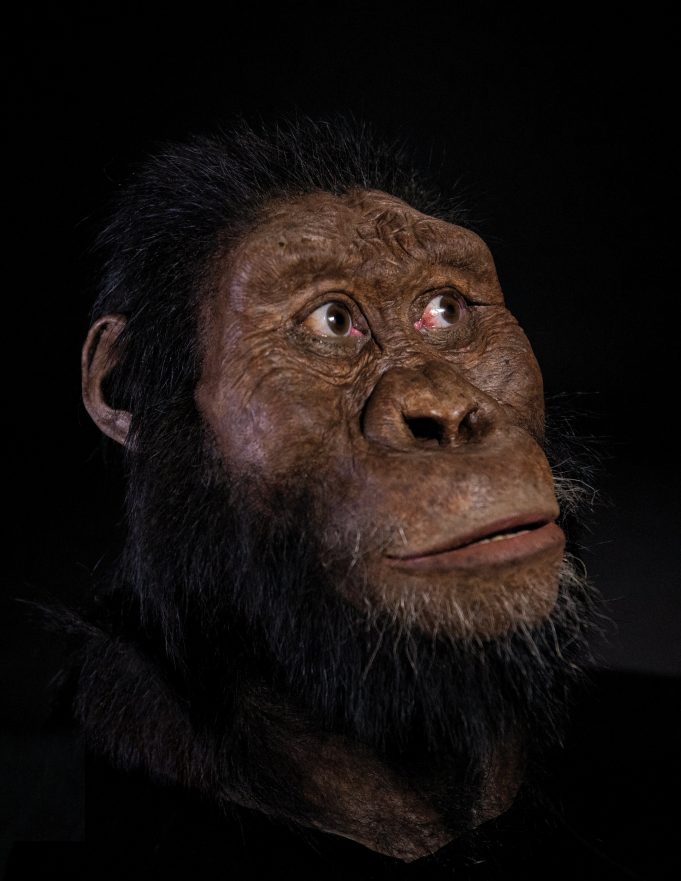
Australopithecus anamensis is the earliest-known species of Australopithecus, and widely accepted as the progenitor of Lucy's species, Australopithecus afarensis. Until now, A. anamensis was known mainly from jaws and teeth. Yohannes Haile-Selassie of the Cleveland Museum of Natural History, Stephanie Melillo of the...


