





Dr Michael Pittman of the Vertebrate Palaeontology Laboratory, Department of Earth Sciences, The University of Hong Kong led an international study with his PhD student Mr Arindam Roy that evaluates fossil colour reconstruction methods to propose a new study...
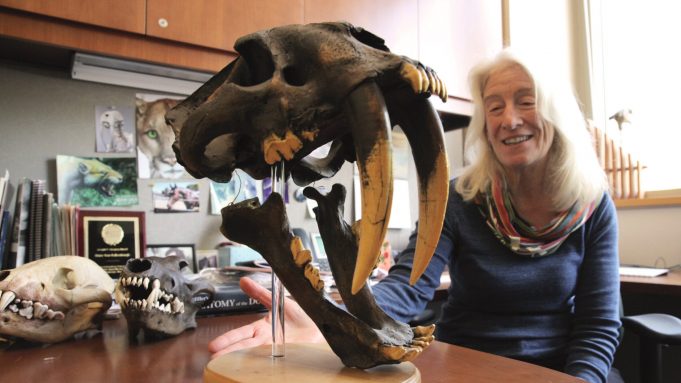
UCLA evolutionary biologist Blaire Van Valkenburgh has spent more than three decades studying the skulls of many species of large carnivores—including wolves, lions and tigers— that lived from 50,000 years ago to the present. She reports today in the...

Giant, predatory croc-like animals that lived during the Triassic period in southern Africa preyed on early dinosaurs and mammal relatives 210 million years ago. These predators, known as "rauisuchians" preyed on early herbivore dinosaurs and their mammal relatives living...
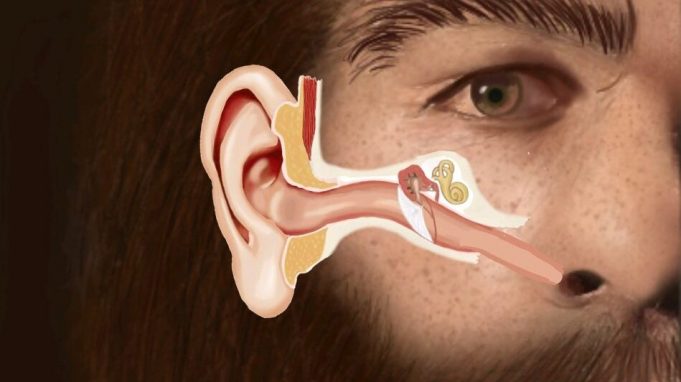
It is one of the great unsolved mysteries of anthropology. What killed off the Neanderthals, and why did Homo sapiens thrive even as Neanderthals withered to extinction? Was it some sort of plague specific only to Neanderthals? Was there some sort...
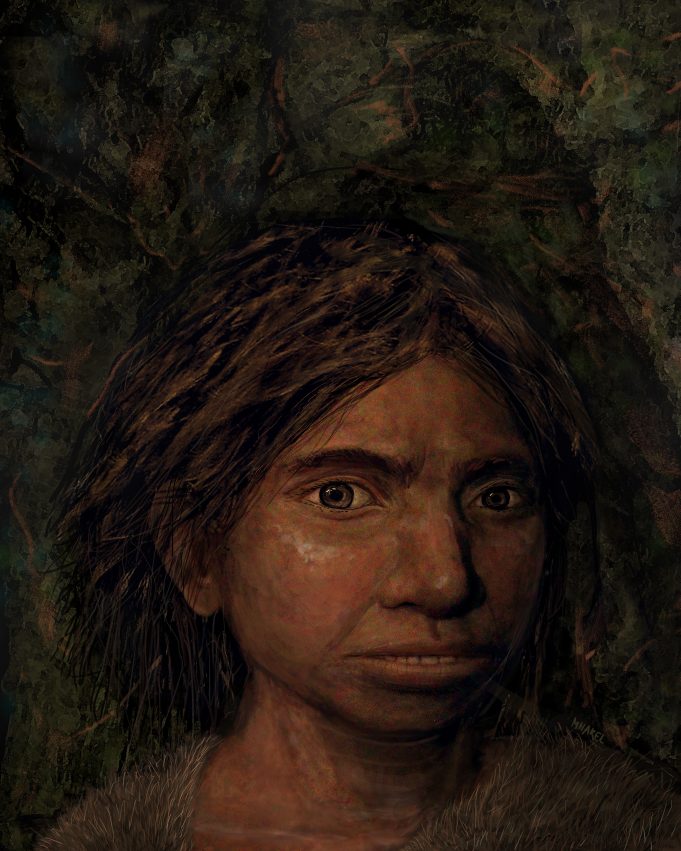
If you could travel back in time 100,000 years, you'd find yourself living among multiple groups of humans, including anatomically modern humans, Neanderthals, and Denisovans. But exactly what our Denisovan relatives might have looked like had been anyone's guess...
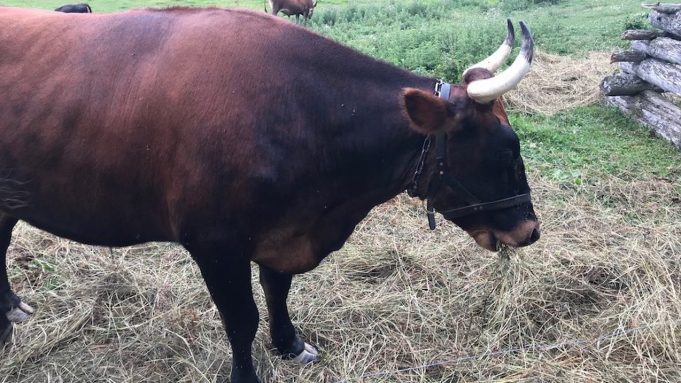
Seven thousand years ago, societies across Eurasia began to show signs of lasting divisions between haves and have-nots. In new research published in the journal Antiquity, scientists chart the precipitous surge of prehistoric inequality and trace its economic origins back...
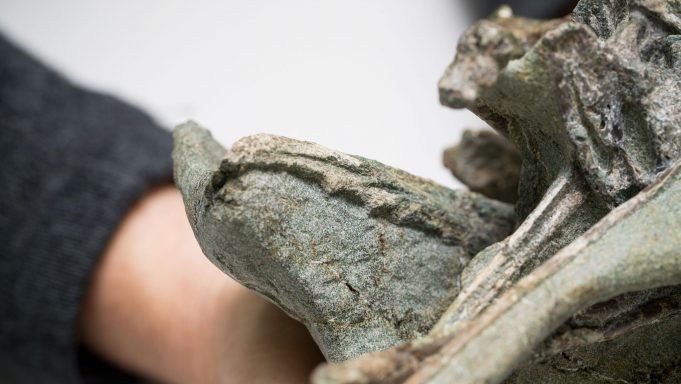
The ancestor of some of the largest flying birds ever has been found in Waipara, North Canterbury.
Bony-toothed birds (Pelagornithids), an ancient family of huge seafaring birds, were thought to have evolved in the Northern Hemisphere—but that theory has been...
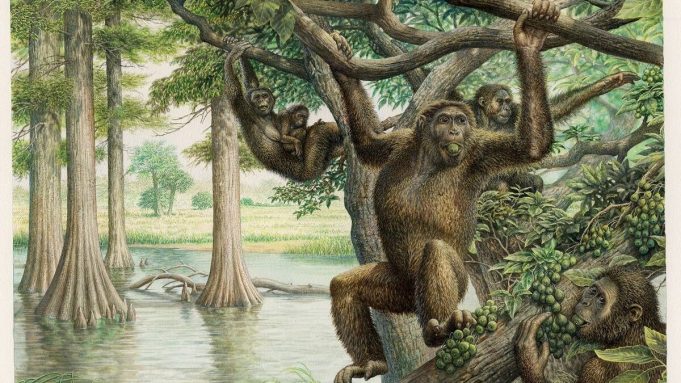
Near an old mining town in Central Europe, known for its picturesque turquoise-blue quarry water, lay Rudapithecus. For 10 million years, the fossilized ape waited in Rudabánya, Hungary, to add its story to the origins of how humans evolved.
What...
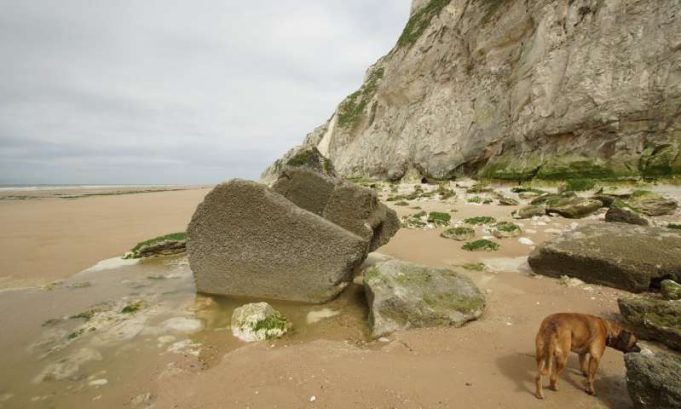
The first evidence of human occupation in northern France has been put back by 150,000 years, thanks to the findings of a team of scientists from the CNRS and the Musée National d'Histoire Naturelle at the emblematic site of...
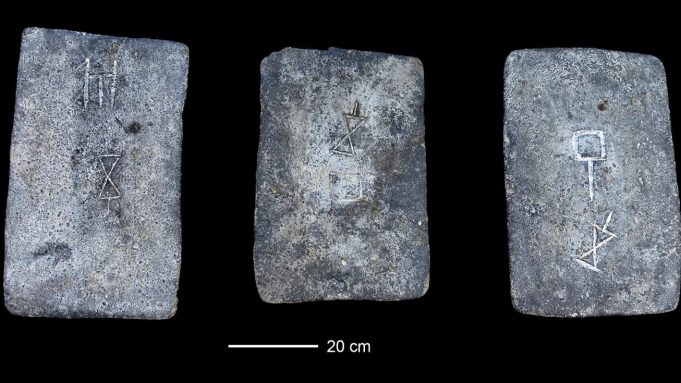
The origin of the tin used in the Bronze Age has long been one of the greatest enigmas in archaeological research. Now researchers from Heidelberg University and the Curt Engelhorn Centre for Archaeometry in Mannheim have solved part of...
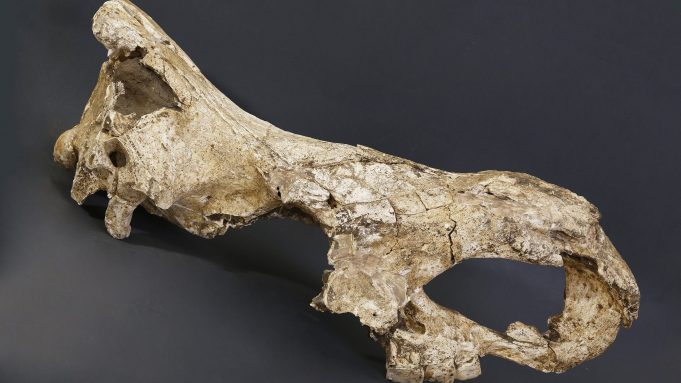
An evolution revolution has begun after scientists extracted genetic information from a 1.7 million-year-old rhino tooth—the largest and oldest genetic data to ever be recorded.
Researchers identified an almost complete set of proteins, a proteome, in the dental enamel of...


