





An ancient walkway most likely used by pilgrims as they made their way to worship at the Temple Mount has been uncovered in the "City of David" in the Jerusalem Walls National Park.
In a new study published in Tel Aviv:...
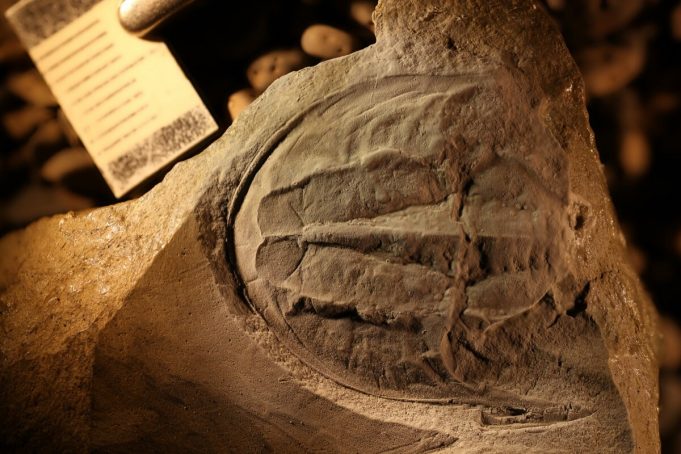
Australian creatures like the echidna and the koala are celebrated for their oddness. The fossil record shows that this oddity reaches far back into prehistory, as illustrated in the form of a fossil horseshoe crab found in Tasmania that...
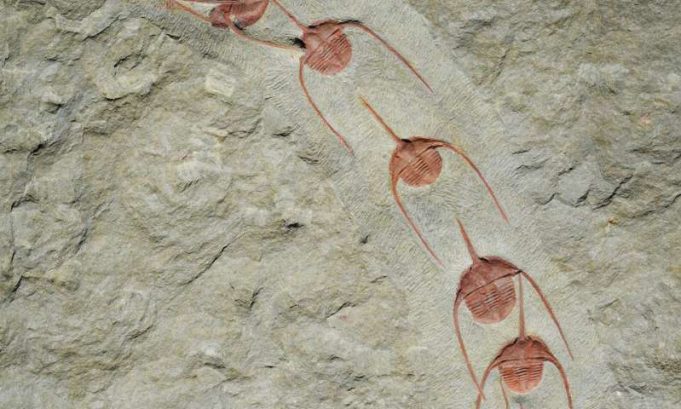
Ever felt like you've been queuing forever?
Scientists say fossils found in Morocco suggest the practice of forming orderly lines may date back 480 million years and could have had evolutionary advantages.
Their study, published Thursday in the journal Scientific Reports, describes...
An international research team led by scientists from McMaster University has unearthed new evidence in Greece proving that the island of Naxos was inhabited by Neanderthals and earlier humans at least 200,000 years ago, tens of thousands of years...
Humankind first started farming in Mesopotamia about 11,500 years ago. Subsequently, the practices of cultivating crops and raising livestock emerged independently at perhaps a dozen other places around the world, in what archaeologists call the Neolithic Agricultural Revolution. It's...
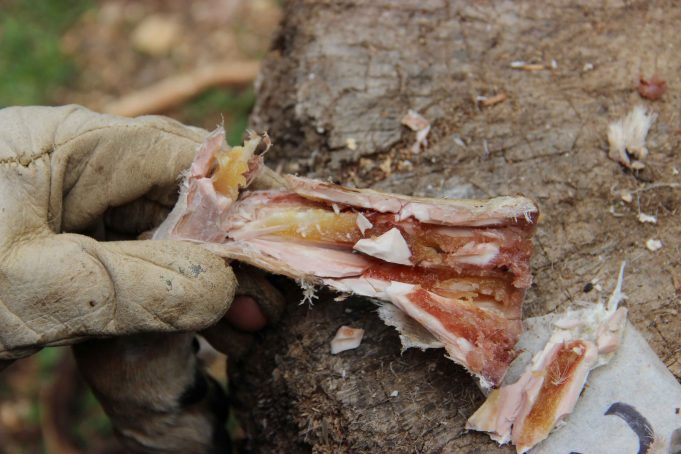
Tel Aviv University researchers, in collaboration with scholars from Spain, have uncovered evidence of the storage and delayed consumption of animal bone marrow at Qesem Cave near Tel Aviv, the site of many major discoveries from the late Lower...
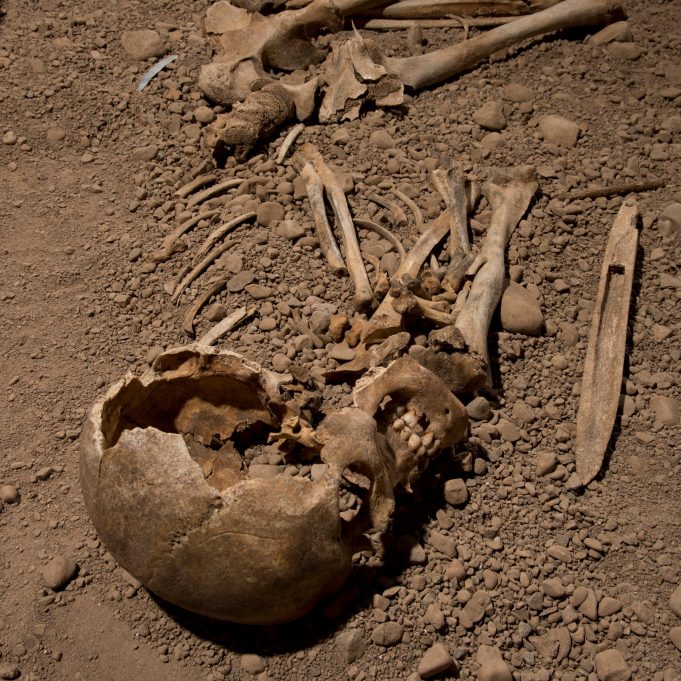
In an interdisciplinary study published in Proceedings of the Royal Society B, an international research team has combined archaeological, genetic and stable isotope data to understand the demographic processes associated with the iconic Battle Axe Culture and its introduction in...
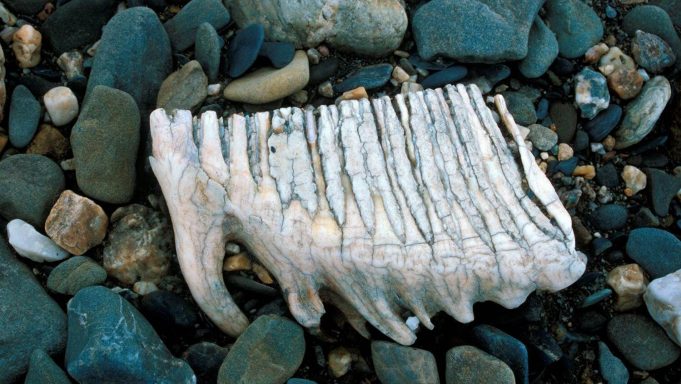
The last woolly mammoths lived on Wrangel Island in the Arctic Ocean; they died out 4,000 years ago within a very short time. An international research team from the Universities of Helsinki and Tübingen and the Russian Academy of...
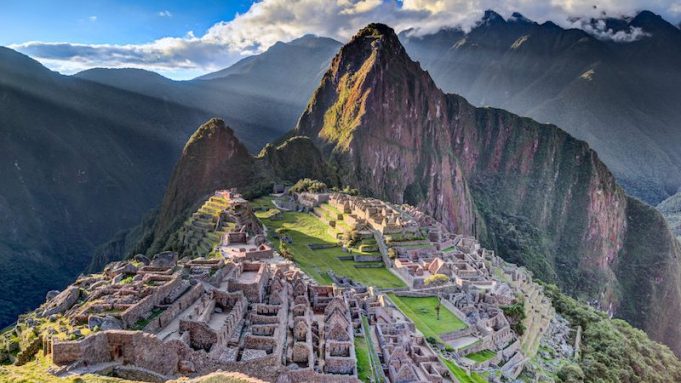
The ancient Incan sanctuary of Machu Picchu is considered one of humanity's greatest architectural achievements. Built in a remote Andean setting atop a narrow ridge high above a precipitous river canyon, the site is renowned for its perfect integration...
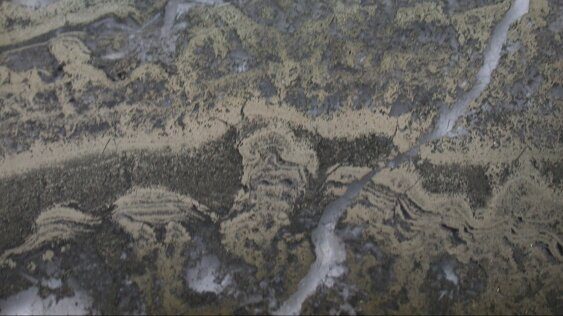
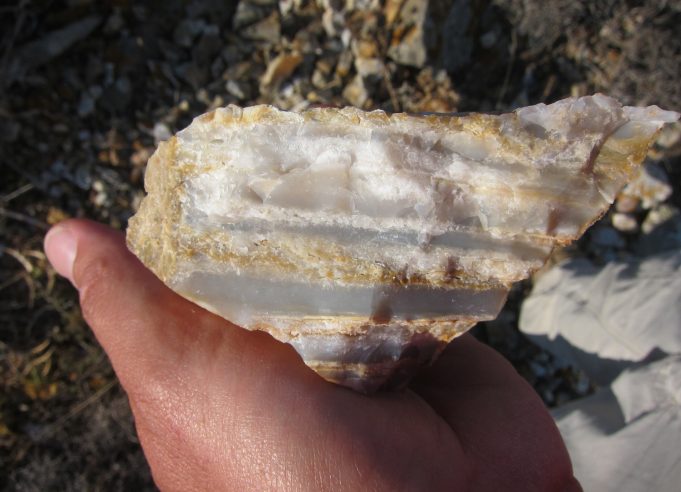
Western Australia's famous 3.5-billion-year-old stromatolites contain microbial remains of some of the earliest life on Earth, UNSW scientists have found.
Scientists have found exceptionally preserved microbial remains in some of Earth's oldest rocks in Western Australia—a major advance in the...

A team of scientists, led by the University of Bristol, has found the first evidence that prehistoric babies were fed animal milk using the equivalent of modern-day baby bottles.
Possible infant feeding vessels, made from clay, first appear in Europe...


