




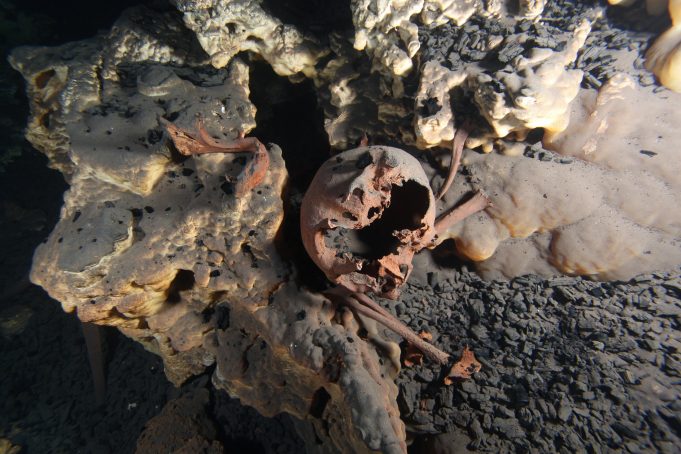
An analysis of four ancient skulls found in Mexico suggests that the first humans to settle in North America were more biologically diverse than scientists had previously believed.
The skulls were from individuals who lived 9,000 to 13,000 years ago,...
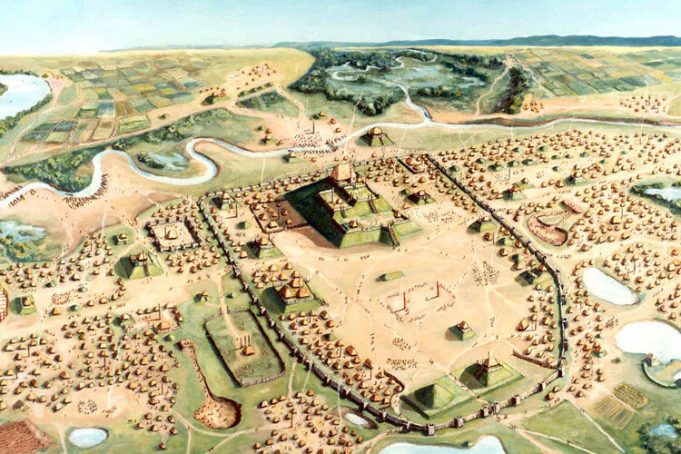
A University of California, Berkeley, archaeologist has dug up ancient human feces, among other demographic clues, to challenge the narrative around the legendary demise of Cahokia, North America's most iconic pre-Columbian metropolis.
In its heyday in the 1100s, Cahokia—located in...
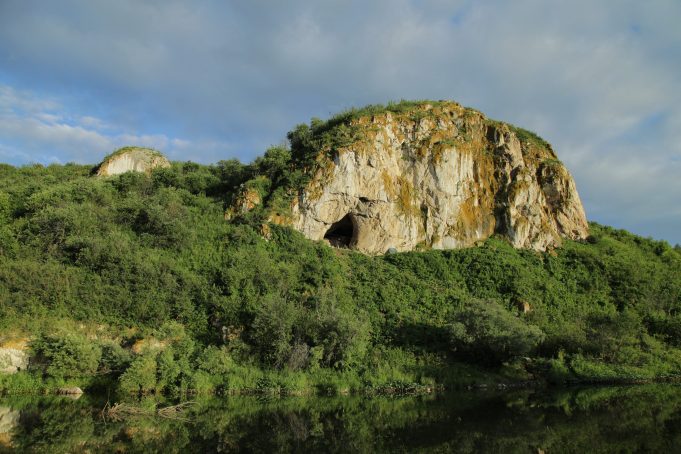
A new study, published online today in the Proceedings of the National Academy of Sciences, reveals that Neanderthals made an intercontinental trek of more than 3000 km to reach Siberia's Altai Mountains, equipped with a distinctive toolkit used to kill...

According to ancient lore, Genghis Khan instructed his horsemen to wear silk vests underneath their armor to better protect themselves against an onslaught of arrows during battle. Since the time of Khan, body armor has significantly evolved—silk has given...
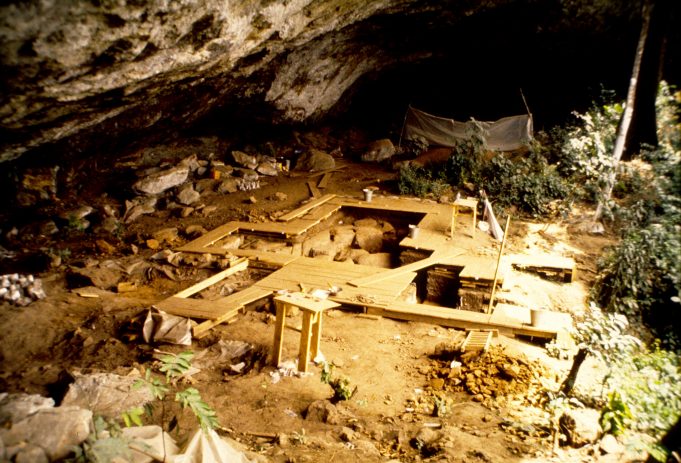
A team of international researchers, which includes a Saint Louis University Madrid anthropologist, dug deep to find some of the oldest African DNA on record, in a new study published in Nature.
Africa is the homeland of our species and harbors...

The field of evolutionary biology has seen its share of spirited debates. But if there's one principle that virtually every expert in the field agrees on, it's that natural selection occurs at the level of the genome.
But now, a...
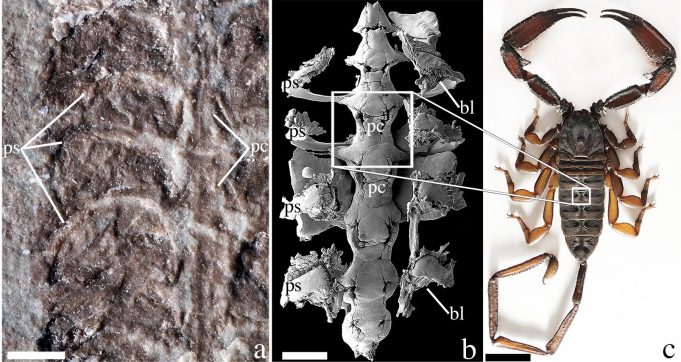
Scientists studying fossils collected 35 years ago have identified them as the oldest-known scorpion species, a prehistoric animal from about 437 million years ago. The researchers found that the animal likely had the capacity to breathe in both ancient...
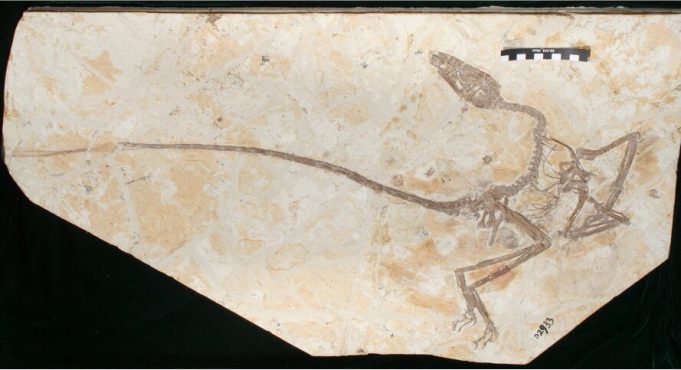
A new species of feathered dinosaur has been discovered in China, and described by American and Chinese authors and published today in the journal, The Anatomical Record.
The one-of-a-kind specimen offers a window into what the earth was like 120 million...
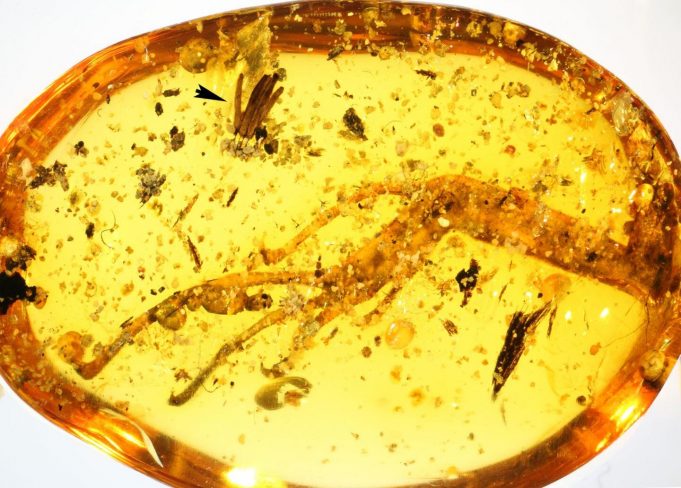
Most people associate the idea of creatures trapped in amber with insects or spiders, which are preserved lifelike in fossil tree resin. An international research team of palaeontologists and biologists from the Universities of Göttingen and Helsinki, and the...
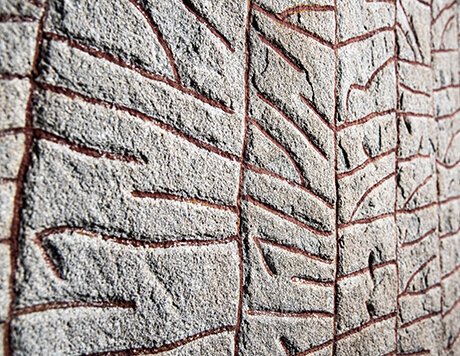
One of the world's most famous runestones is now believed to have been erected by Vikings fearing a repeat of a previous cold climate crisis in Scandinavia, a new study said Wednesday.
The Rok stone, raised in the ninth century...
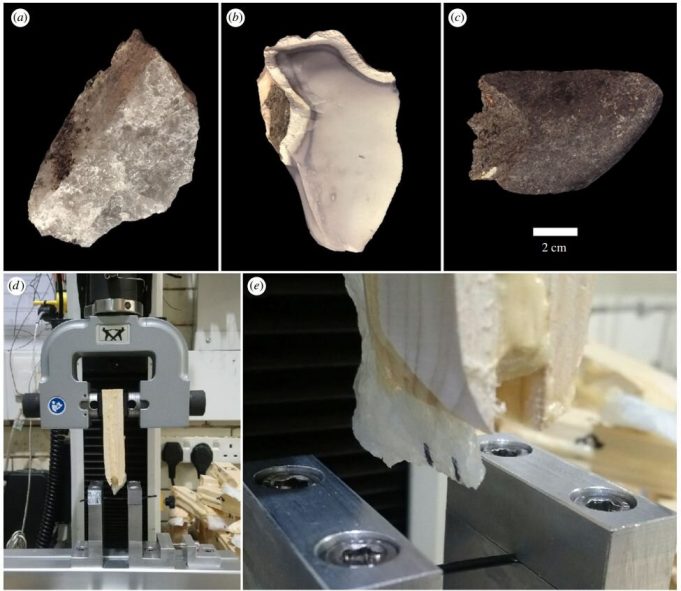
Early Stone Age populations living between 1.8 - 1.2 million years ago engineered their stone tools in complex ways to make optimised cutting tools, according to a new study by University of Kent and UCL.
The research, published in the...


