




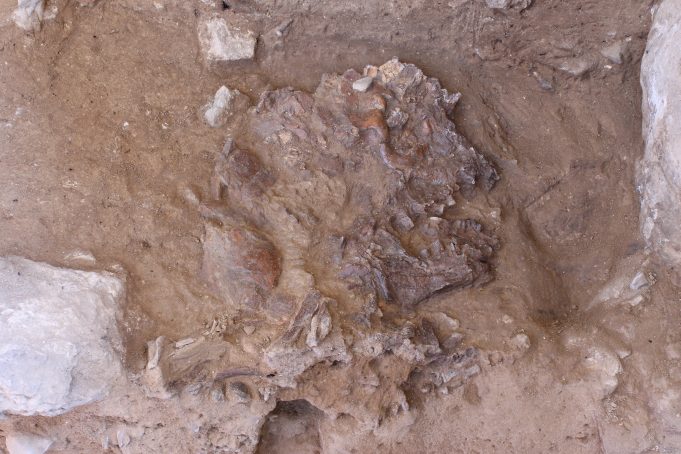
The first articulated Neanderthal skeleton to come out of the ground for over 20 years has been unearthed at one of the most important sites of mid-20th century archaeology: Shanidar Cave, in the foothills of Iraqi Kurdistan.
Researchers say the...
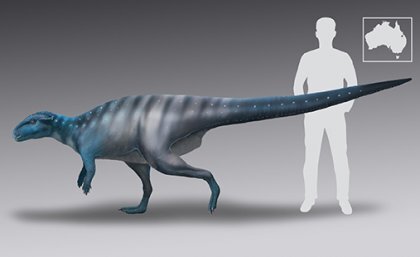
The mystery surrounding dinosaur footprints on a cave ceiling in Central Queensland has been solved after more than a half a century.
University of Queensland paleontologist Dr. Anthony Romilio discovered pieces to a decades-old puzzle in an unusual place—a cupboard...

From the time that dinosaur fossils were first discovered, these creatures have fascinated scientists and laypeople alike. In the academic world, their remains provide important clues into the prehistoric world; in popular culture, dinosaurs have inspired blockbuster hits, such...
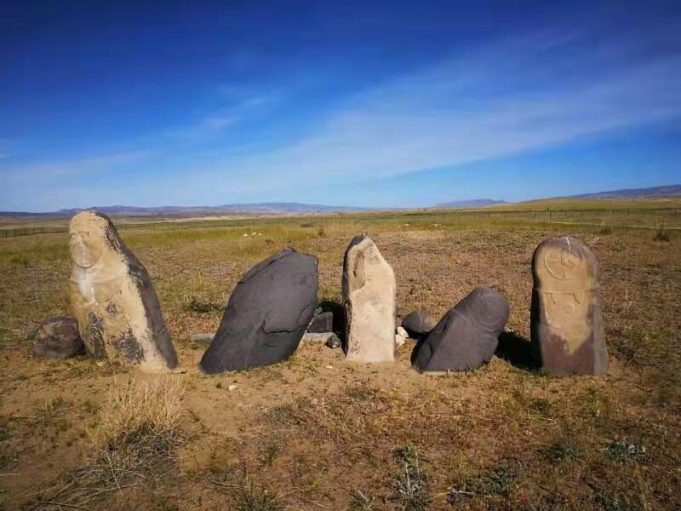
Cereals from the Fertile Crescent and broomcorn millet from northern China spread across the ancient world, integrating into complex farming systems that used crop-rotation cycles enabled by the different ecological regions of origin. The resulting productivity allowed for demographic...
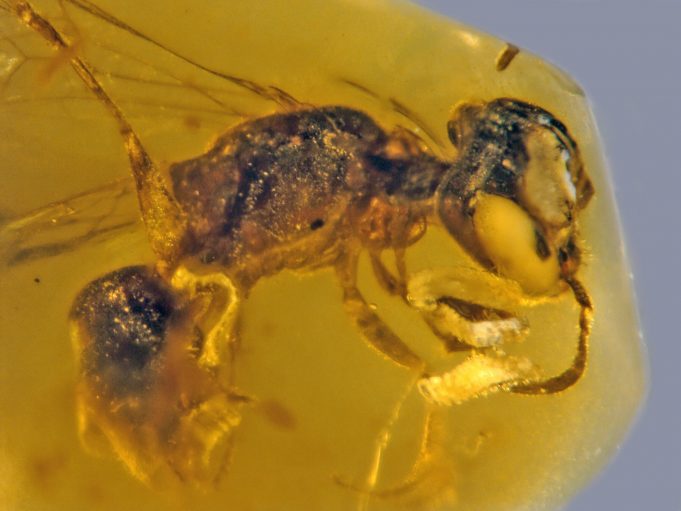
Beetle parasites clinging to a primitive bee 100 million years ago may have caused the flight error that, while deadly for the insect, is a boon for science today.
The female bee, which became stuck in tree resin and thus preserved...

Paleobiologists from the University of Zurich have discovered exceptional specimens in Venezuela and Colombia of an extinct giant freshwater turtle called Stupendemys. The carapace of this turtle, which is the largest ever known, measured between 2.4 to almost 3...

The fossilized tail of a young dinosaur that lived on a prairie in southern Alberta, Canada, is home to the remains of a 60-million-year-old tumor.
Researchers at Tel Aviv University, led by Dr. Hila May of the Department of Anatomy...
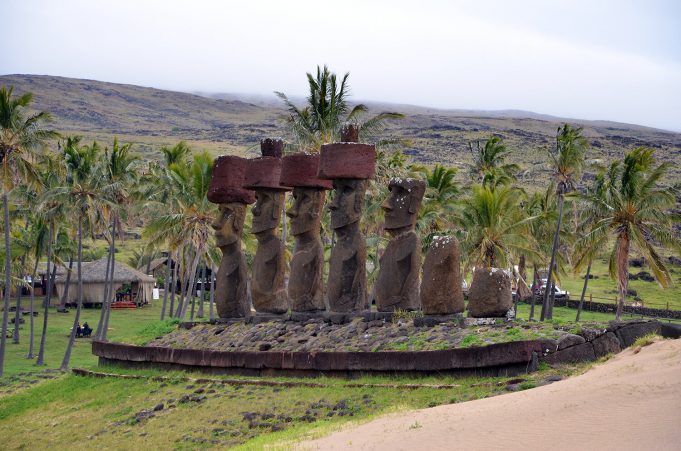
The prehistoric collapse of Easter Island's monument-building society did not occur as long thought, according to a fresh look at evidence by researchers at four institutions.
"The general thinking has been that the society that Europeans saw when they first...

Scientists at the University of Alaska Fairbanks have identified a new species of thalattosaur, a marine reptile that lived more than 200 million years ago.
The new species, Gunakadeit joseeae, is the most complete thalattosaur ever found in North America...

A new study shows that ancient Siberian hunters created heat resistant pots so that they could cook hot meals - surviving the harshest seasons of the ice age by extracting nutritious bone grease and marrow from meat.
The research—which was...

Neanderthal DNA sequences may be more common in modern Africans than previously thought, and different non-African populations have levels of Neanderthal ancestry surprisingly similar to each other, finds a study publishing January 30 in the journal Cell. Researchers arrived at...


