




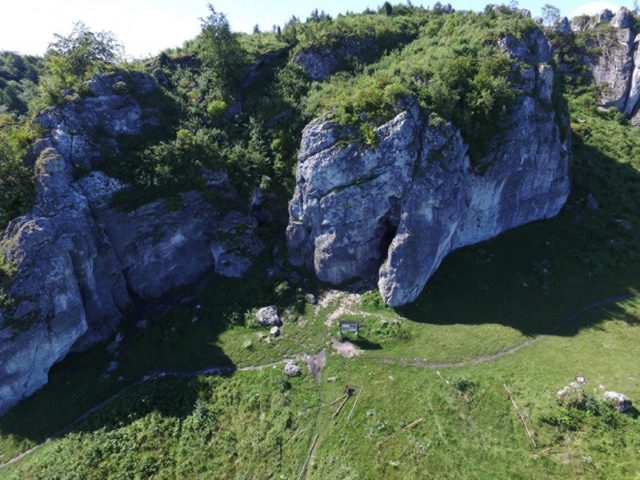
Around 100,000 years ago, the climate changed abruptly and the environment of Central-Eastern Europe shifted from forested to open steppe/taiga habitat, promoting the dispersal of wooly mammoth, wooly rhino and other cold adapted species from the Arctic. Neanderthals living...

Climate change occurring shortly before their disappearance triggered a complex change in the behavior of late Neanderthals in Europe: they developed more complex tools. This is the conclusion reached by a group of researchers from Friedrich-Alexander-Universität Erlangen-Nürnberg (FAU) and...

Hibernation is a familiar feature on Earth today. Many animals—especially those that live close to or within polar regions—hibernate to get through the tough winter months when food is scarce, temperatures drop and days are dark.
According to new research,...

The first complete dinosaur skeleton ever identified has finally been studied in detail and found its place in the dinosaur family tree, completing a project that began more than a century and a half ago.
The skeleton of this dinosaur,...

A new study published this week in the journal Proceedings of the National Academy of Sciences documents dietary shifts in herbivores that lived between 1-3 million years ago in Ethiopia's Lower Omo Valley. The research team, led by Enquye Negash, a...
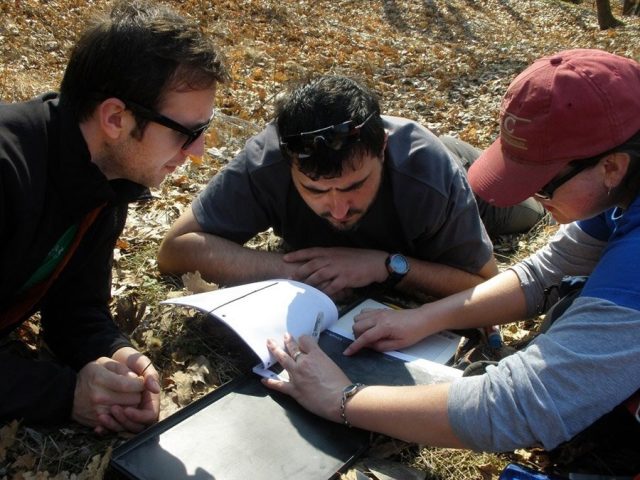
A re-analysis of fossils from one of Europe's most significant paleontological sites reveals a wide diversity of animal species, including a large terrestrial monkey, short-necked giraffe, rhinos and saber-toothed cats.
These and other species roamed the open grasslands of Eastern...
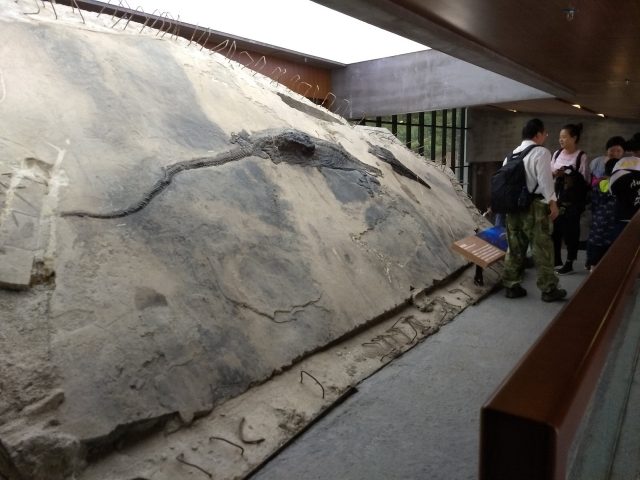
When paleontologists digging in a quarry in southwestern China uncovered the nearly complete skeleton of a giant, dolphin-like marine reptile known as an ichthyosaur, they didn't expect to find another fossil in its stomach. This second skeleton belonged to...

An exquisitely well preserved 429-million-year-old eye from a marine creature that went extinct before dinosaurs even existed had vision comparable to modern-day bees and dragonflies, researchers said Thursday.
Fossilized trilobites, formidable-looking arthropods with segmented bodies and sturdy exoskeletons, are found...

The extinction of prehistoric megafauna like the woolly mammoth, cave lion, and woolly rhinoceros at the end of the last ice age has often been attributed to the spread of early humans across the globe. Although overhunting led to...

Researchers in South Africa's Border Cave, a well-known archeological site perched on a cliff between eSwatini (Swaziland) and KwaZulu-Natal in South Africa, have found evidence that people have been using grass bedding to create comfortable areas for sleeping and...
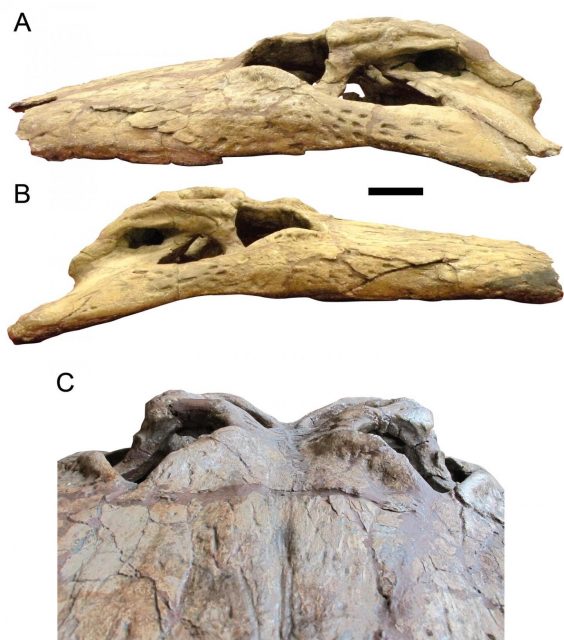
A new study, revisiting fossil specimens from the enormous crocodylian, Deinosuchus, has confirmed that the beast had teeth "the size of bananas," capable of taking down even the very largest of dinosaurs.
And, it wasn't alone!
The research, published in the Journal...


