

science

Evolutionary backing found in analysis of mammalian vertebrae
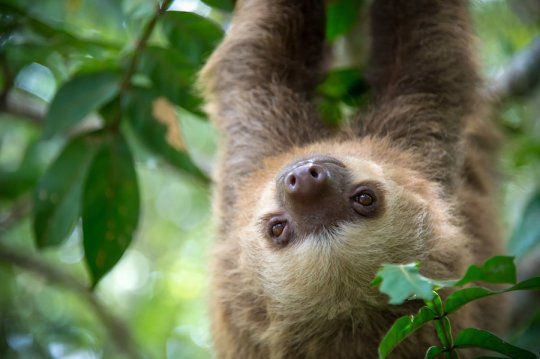
Differences in numbers of vertebrae are most extreme in mammals which do not rely on running and leaping, such as those adapted to suspensory...
Breakthrough in new material to harness solar power

The most affordable, efficient way to harness the cleanest, most abundant renewable energy source in the world is one step closer to reality.
The University...
Catch a virus by its tail

Viruses are masterful invaders. They cannibalize host cells by injecting their genetic material, often making thousands of copies of themselves in a single cell...
Treats might mask animal intelligence

Rewards are frequently used to promote learning, but rewards may actually mask true knowledge, finds a new Johns Hopkins University study with rodents and...
Small, hardy planets most likely to survive death of their stars

Small, hardy planets packed with dense elements have the best chance of avoiding being crushed and swallowed up when their host star dies, new...
It’s not just fish, plastic pollution harms the bacteria that help...

Ten per cent of the oxygen we breathe comes from just one kind of bacteria in the ocean. Now laboratory tests have shown that...
Generating high-quality single photons for quantum computing

MIT researchers have designed a way to generate, at room temperature, more single photons for carrying quantum information. The design, they say, holds promise...
Revolutionary approach to storing and using carbon, and the impressive effort...
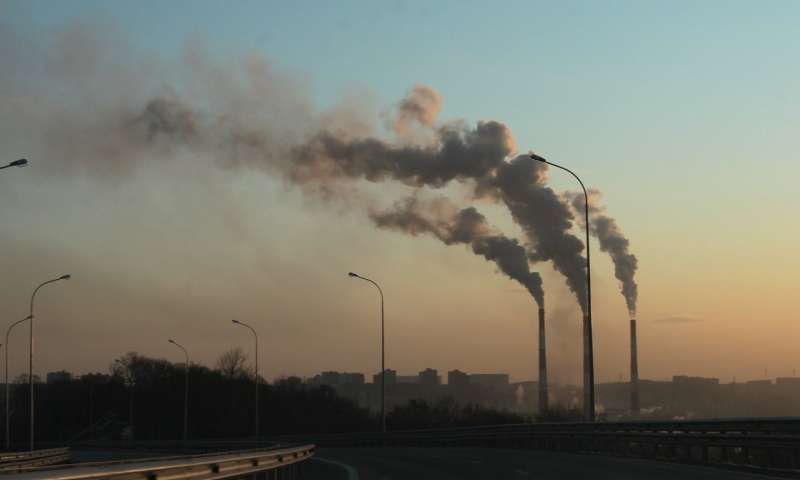
With global emissions continuing unabated, climate change is proceeding at a startling pace. But a team of scientists from UC Santa Barbara and RWTH...
Flu virus’ best friend: Low humidity

Yale researchers have pinpointed a key reason why people are more likely to get sick and even die from flu during winter months: low...
Room for thought: Brain region that watches for walls identified
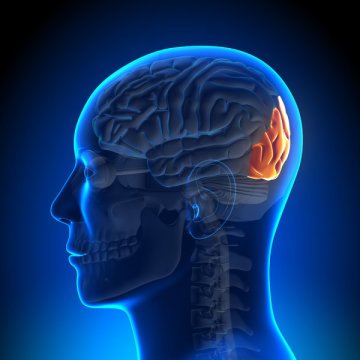
To move through the world, you need a sense of your surroundings, especially of the constraints that restrict your movement: the walls, ceiling and...
Coastal organisms trapped in 99-million-year-old amber

Most amber inclusions are organisms that lived in the forest. It is very rare to find sea life trapped in amber. However, an international...


