

science

How to bend and stretch a diamond
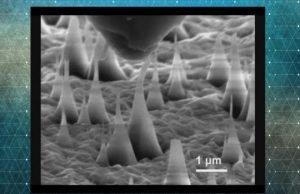
Diamond is well-known as the strongest of all natural materials, and with that strength comes another tightly linked property: brittleness. But now, an international...
Dogs could be more similar to humans than we thought

Dog and human gut microbiomes have more similar genes and responses to diet than we previously thought, according to a study published in the...
3-D human ‘mini-brains’ shed new light on genetic underpinnings of major...
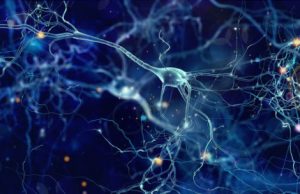
Major mental illnesses such as schizophrenia, severe depression and bipolar disorder share a common genetic link. Studies of specific families with a history of...
Clear as mud: Desiccation cracks help reveal the shape of water...
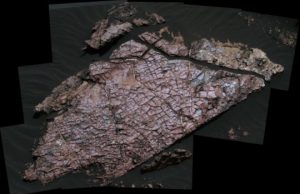
As Curiosity rover marches across Mars, the red planet's watery past comes into clearer focus.
In early 2017 scientists announced the discovery of possible desiccation...
New research could literally squeeze more power out of solar cells
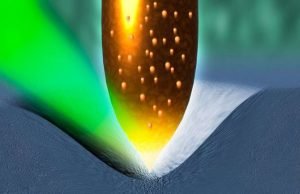
Physicists at the University of Warwick have today, Thursday 19th April 2018, published new research in the fournal Science today 19th April 2018 (via...
New microscope captures detailed 3-D movies of cells deep within living...
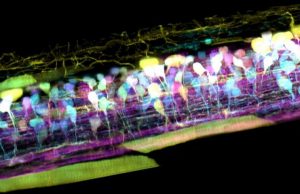
Our window into the cellular world just got a whole lot clearer.
By combining two imaging technologies, scientists can now watch in unprecedented 3-D detail...
New ant species from Borneo explodes to defend its colony
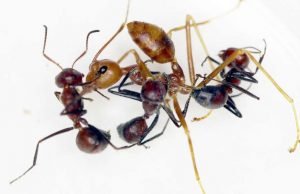
Amongst the countless fascinating plants and animals inhabiting the tropical rainforests of Southeast Asia, there are the spectacular "exploding ants", a group of arboreal,...
Unprecedented wave of large-mammal extinctions linked to prehistoric humans
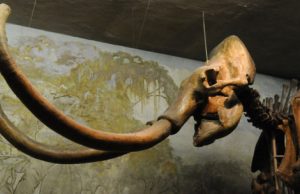
Homo sapiens, Neanderthals and other recent human relatives may have begun hunting large mammal species down to size -- by way of extinction --...
Atoms may hum a tune from grand cosmic symphony
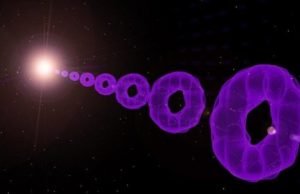
Researchers playing with a cloud of ultracold atoms uncovered behavior that bears a striking resemblance to the universe in microcosm. Their work, which forges...
Genetic adaptations to diving discovered in humans for the first time
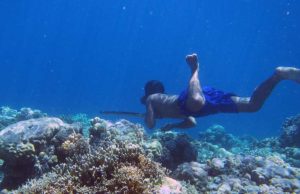
Evidence that humans can genetically adapt to diving has been identified for the first time in a new study. The evidence suggests that the...
Researchers find that swarms of tiny organisms mix nutrients in ocean...
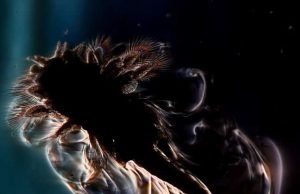
Swarms of tiny oceanic organisms known collectively as zooplankton may have an outsize influence on their environment. New research at Stanford shows that clusters...


